
Asphalt Paving · Fort Worth, TX
Asphalt Repair & Patching in Fort Worth, TX
Asphalt & Paving South Fort Worth has coordinated pothole repair, crack filling and sealing, and full-depth patching across the south side for 15 years — call (817) 632-9447 any hour, since the crews we coordinate run Open 24 Hours. A hairline crack left through one Texas summer is routinely a full pothole by the next spring, so most single-pothole and crack-sealing calls from Forest Hill, Benbrook, and Crowley get quoted and scheduled within a day.
Pavement along the I-35W South Freeway corridor and out toward McCart Avenue takes a real beating from what's underneath it. Soil from Forest Hill through Benbrook and Crowley is the same high-plasticity 'black gumbo' clay weathered from the Eagle Ford and Woodbine formations underlying most of Tarrant County, with clay content regularly topping 50%. That clay swells when wet and shrinks hard through a dry summer, and that movement shows up as a crack, a heave, or a sunken patch near TCU, past Benbrook Lake, or along a Crowley subdivision street.
We match the repair method to what's actually failed rather than running one fix on everything. A fresh pothole on a busy commercial lot off Berry Street or Seminary Drive gets a fast cold-patch fix, then a permanent hot-mix or infrared repair once traffic allows; a still-tight crack gets hot-pour sealant before water gets underneath it; a section already crumbled at the edges gets cut back to sound pavement and rebuilt full-depth instead of skinned over. That triage keeps a repair from failing again in six months.
This page covers fixing asphalt you already have. If the surface is sound but graying and porous, see [sealcoating](/sealcoating) instead; if more than a third has failed, [asphalt resurfacing](/asphalt-resurfacing) is usually the better dollar; and if the whole driveway or lot needs to come out, [new asphalt paving](/asphalt-paving) starts from the subgrade up.
What We Do
Our Asphalt Repair & Patching Services in Fort Worth
Not every failure gets the same fix. We diagnose what's happening before recommending cold-patch, hot-pour sealant, or a full-depth cut-out.
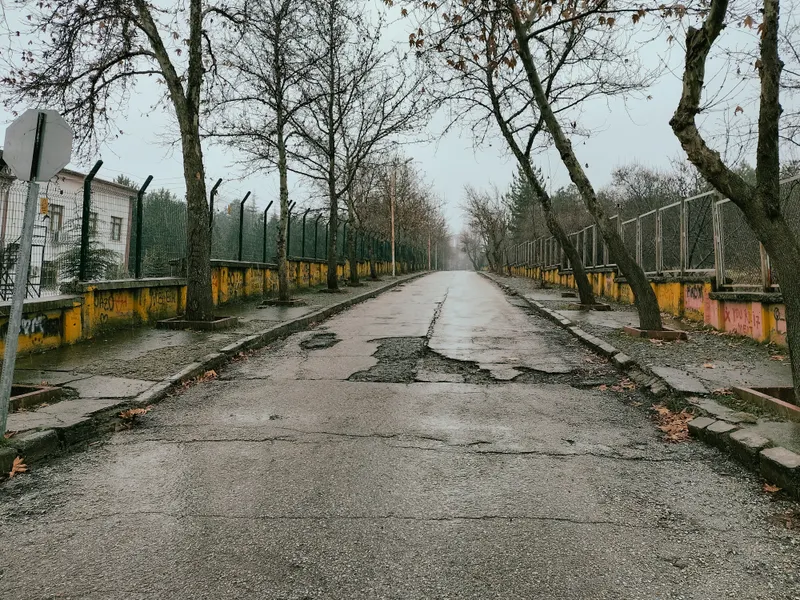
Pothole Repair
A single pothole typically runs $100 to $400 to fix properly and takes 30 minutes to 2 hours depending on depth and access. Cold-patch asphalt closes a failing pothole fast when hot mix isn't available or weather won't cooperate, but it's temporary — the coordinated crews follow with a hot-mix or infrared repair that actually bonds to the pavement.
Infrared repair reheats the existing asphalt around the hole and blends in fresh material, welding the patch to the old surface instead of leaving a seam water can work into over the next freeze-thaw cycle.

Crack Filling & Sealing
Hot-pour crack sealant, applied to ASTM D6690 specifications, runs $0.50 to $3 per linear foot and cures for traffic within hours rather than days. It's the right call on tight, linear cracks and early alligator (fatigue) cracking — the interlocking, reptile-skin pattern showing up where pavement has flexed past its limit and needs routing and sealing before it opens further.
Edge cracking, common where a driveway or lot border isn't backed by curb or full-depth base, gets the same treatment, sometimes paired with an edge rebuild if the shoulder's started to crumble.
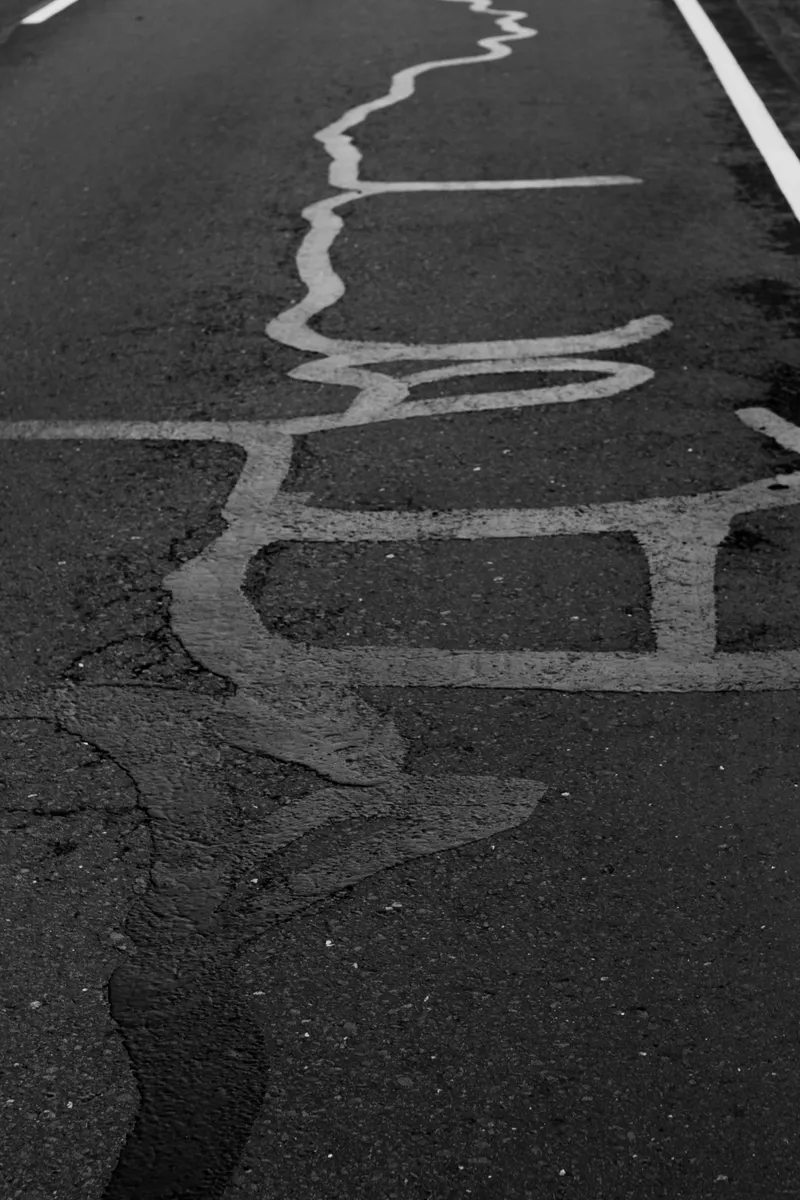
Patching — Throw-and-Roll vs. Full-Depth Saw-Cut
A throw-and-roll patch — hot mix dumped into a cleaned-out hole, compacted with a roller or plate — is the fast, economical fix for isolated potholes and shallow failures. It's not the answer when the base has failed; that's where a full-depth saw-cut patch comes in: the crew cuts a clean rectangle around the damage, removes pavement and base down to sound material, and rebuilds in lifts, running $4 to $8 per square foot.
Skipping straight to a saw-cut patch on surface-deep damage wastes money; throw-and-roll on a failed base just buys a repeat call in months.
The Benefits
Why Professional Asphalt Repair Pays Off in Fort Worth
A patch matched to the actual failure holds. A patch that isn't just delays the same repair, at a higher price, six months from now.
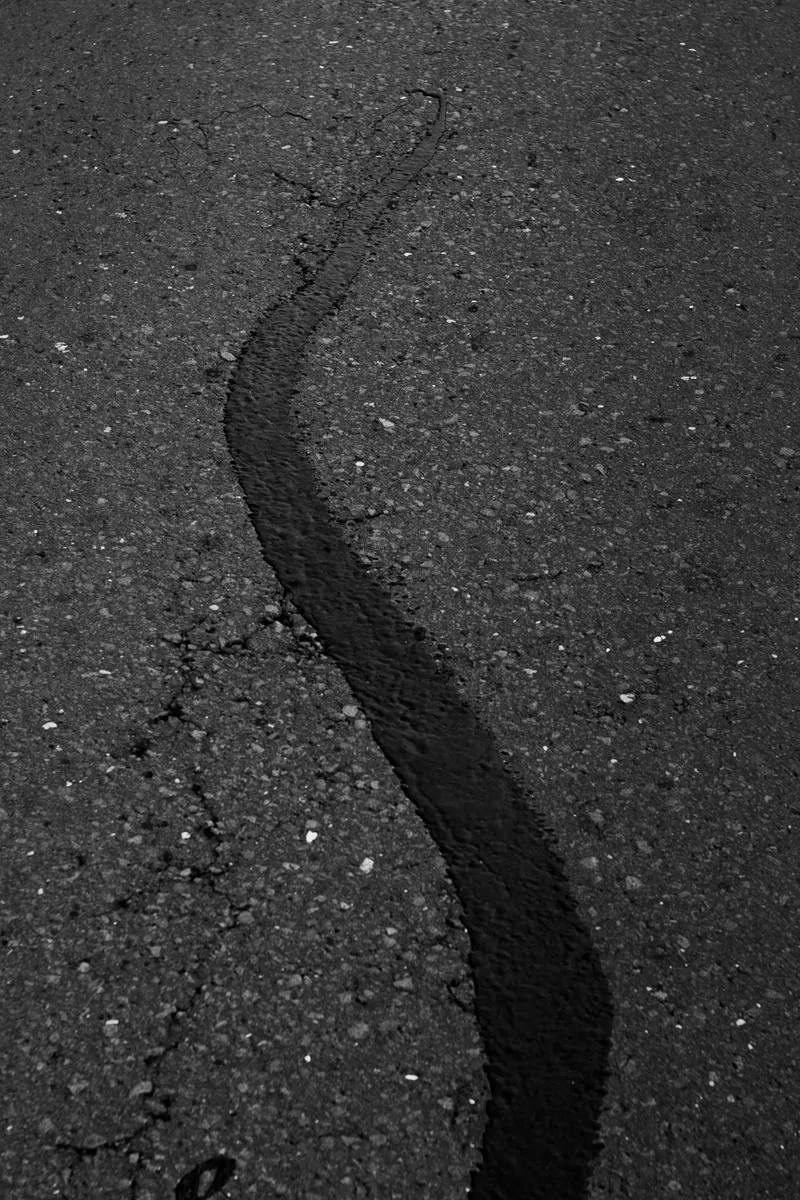
Six Times Cheaper Than Waiting
The Michigan Department of Transportation reached its target network condition for roughly $80 million in preventive maintenance versus an estimated $700 million to rehabilitate and reconstruct the same roads later — more than six times the cost once failure sets in. The same math applies at driveway and parking-lot scale: a $150 pothole repair or a $2-a-foot crack seal now beats the full-depth patch that damage becomes once water gets under the surface.

Keeps Water Out of the Clay Subgrade
Every open crack in a south Fort Worth driveway or lot channels water straight down to the expansive clay subgrade underneath. Once that clay gets wet, it swells unevenly, heaves the pavement above it, and turns one manageable crack into a spider web by the next dry cycle. Sealing cracks and patching potholes promptly is as much about keeping water out of the clay as smoothing the surface.
Extends Pavement Life Without a Full Tear-Out
Full-depth removal and replacement runs $4 to $8 per square foot, and a full driveway repave starts around $3,000. Targeted repair — patching failed sections, sealing cracked ones — buys years of added service life on pavement that's still structurally sound — almost always a fraction of repaving a whole driveway or lot over a handful of bad spots.
Why Us
Why South Fort Worth Chooses Us for Asphalt Repair
Fifteen years of matching repair to damage across Forest Hill, Benbrook, and Crowley means fewer callbacks and fewer patches that fail before the next season.
Crews That Follow Written Specifications
The crews we coordinate are fully licensed and insured and apply hot-pour crack sealant to ASTM D6690 specifications, following TxDOT and Asphalt Institute guidance on mix and compaction. That's the difference between a patch still flush a year later and one already lifted at the edges by the first freeze-thaw cycle.
We Tell You When to Repair vs. Replace
Not every damaged section needs a full-depth cut-out, and not every driveway with a few potholes needs a full repave. Every repair call starts with an honest read on whether the base or just the surface has failed, because recommending a $6,000 resurfacing job when a $300 patch would hold isn't how repeat customers get built.
Local Enough to Know Which Blocks Move the Most
Forest Hill's post-war driveways, Benbrook's 1960s-90s streets around Benbrook Lake and Western Hills, and Crowley's newer subdivisions off Chisholm Trail Parkway sit on the same reactive black gumbo clay but crack on different schedules by age and drainage. Knowing which blocks move most means a faster, more accurate diagnosis before a crew shows up with a saw.
Cracks and potholes are usually a symptom, not the whole problem — if a section keeps failing in the same spot no matter how many times it's patched, the base underneath may be the real culprit, worth a second look before another patch goes down. The same south Fort Worth paving crew handling pothole repair and crack sealing across Forest Hill, Benbrook, and Crowley also coordinates parking lot paving for managers whose lots need more than a patch, so call (817) 632-9447 and we'll tell you honestly which side of that line you're on.
Frequently Asked Questions
How much does pothole repair cost in Fort Worth?
A standard professional pothole repair typically runs $100 to $400 per pothole, depending on depth, how much surrounding pavement has crumbled, and whether the fix is a throw-and-roll patch or a full-depth cut-out. Most single-pothole jobs take 30 minutes to 2 hours, and cold-patch is sometimes used first to close a hazard, followed by a permanent hot-mix or infrared repair. Commercial lots off McCart Avenue or Sycamore School Road with several potholes are usually quoted as one job, since mobilization cost is the same regardless of count.
What's the difference between throw-and-roll and full-depth saw-cut patching?
Throw-and-roll patching dumps hot mix into a cleaned-out pothole and compacts it with a roller or plate — fast and economical for damage limited to the surface layer. A full-depth saw-cut patch is different: the crew cuts a clean rectangle around the failed area, removes both old asphalt and base down to sound ground, and rebuilds in compacted lifts, running $4 to $8 per square foot. Full-depth patching is needed when the base has failed, not just the surface; throw-and-roll on a failed base just buys a repeat repair within months.
How do you fix alligator cracking?
Alligator, or fatigue, cracking is the interlocking, reptile-skin pattern that shows up when pavement has flexed past its structural limit under repeated load — a base-failure symptom, not a surface one. Early-stage cracking that's still tight can sometimes be routed and sealed with hot-pour sealant to keep water out, but once cracks have opened and pieces are shifting underfoot, that section needs a full-depth saw-cut patch. We inspect the extent before quoting either fix, since sealing a section needing a rebuild just delays the real repair.
When should I repair asphalt versus fully replacing it?
Repair makes sense when damage is limited to isolated potholes, cracks under about a quarter-inch wide, or a handful of failed sections on an otherwise sound driveway or lot — a $150 to $400 patch job costs a fraction of a full repave. Replacement becomes the better dollar once more than roughly a third of the surface shows alligator cracking, rutting, or repeated pothole failure in the same spots, since a repave starting around $3,000 outlasts chasing patches on a compromised base. We give an honest read on which side of that line you're on, and if it's a full-replacement case, [new asphalt paving](/asphalt-paving) covers it.
Why does south Tarrant County clay cause so much cracking in driveways and parking lots?
Forest Hill, Benbrook, and Crowley all sit on high-plasticity 'black gumbo' clay weathered from the Cretaceous Eagle Ford and Woodbine formations, with clay content regularly exceeding 50% — among the most reactive expansive soils in the country. That clay swells several inches when saturated and shrinks hard through the long, dry summer, and that movement transfers straight up through the base course into whatever's paved on top. Add intense summer UV that oxidizes asphalt binder, plus the occasional winter freeze-thaw cycle prying an existing crack wider, and pavement along the I-35W South Freeway corridor stays under stress flatter, less reactive regions rarely see.
How long does crack filling actually last?
Hot-pour crack sealant applied to ASTM D6690 specifications typically holds for a season to a couple of years before it needs a touch-up, and most work we do carries roughly a one-year workmanship warranty on the treated area. How long it lasts depends heavily on how much the pavement keeps moving underneath — a crack over stable, well-drained subgrade holds far longer than one over clay still swelling and shrinking seasonally. Sealing early, while a crack is still tight, gets the longest life out of it.
Is cold-patch as good as hot-mix asphalt for pothole repair?
No — cold-patch asphalt is a temporary fix meant to close a hazardous pothole quickly when hot mix isn't available or weather won't allow a permanent repair, and it typically doesn't bond to the surrounding pavement as tightly as hot mix does. Hot-mix and infrared repairs, by contrast, either bring fresh heated asphalt to the site or reheat the pavement around the hole so new material welds to the old surface — what makes the repair hold through freeze-thaw and heavy traffic. We use cold-patch when a hole needs to close same-day for safety, then follow up with a permanent repair once conditions allow.
What causes edge cracking along the sides of my driveway or lot?
Edge cracking shows up where the pavement's outer border isn't backed by a curb or full-depth base, common on south Fort Worth driveways and lots paved without a structural edge. Without that lateral support, the outer few inches of asphalt flexes under wheel loads and traffic vibration until it cracks parallel to the edge, and once water gets into that crack, the clay underneath makes it worse fast. The fix is routing and sealing the crack, sometimes paired with rebuilding the shoulder if it's started to crumble — not the full-width repair that isn't needed.
How soon can I drive on a patched or repaired section?
A hot-mix or throw-and-roll patch generally needs 3 to 7 days of cure time before it should carry regular traffic, and that window runs longer in cooler weather since asphalt placed below 50 degrees cures more slowly. Crack sealant sets faster — usually safe for traffic within a few hours — since it fills an existing gap rather than curing a full lift of new material. We flag the cure window at repair time so a section isn't driven on before it's ready.
Do I need a permit to patch or repair existing asphalt in Forest Hill, Benbrook, or Crowley?
Routine patching, pothole repair, and crack sealing on asphalt that's already there generally doesn't trigger the same permitting process as new paving or a driveway approach, since you're maintaining an existing surface rather than altering the footprint. That said, Forest Hill, Benbrook, and Crowley each run their own permitting department rather than routing through Tarrant County, and work touching the public right-of-way or changing drainage can fall under different rules; unincorporated addresses fall under Tarrant County instead. We confirm what, if anything, applies before starting, so a repair never becomes a compliance issue.

Get Your Asphalt Repaired Right
Pothole repair, crack sealing, and full-depth patching. Call (817) 632-9447 for a fast quote.
Call (817) 632-9447