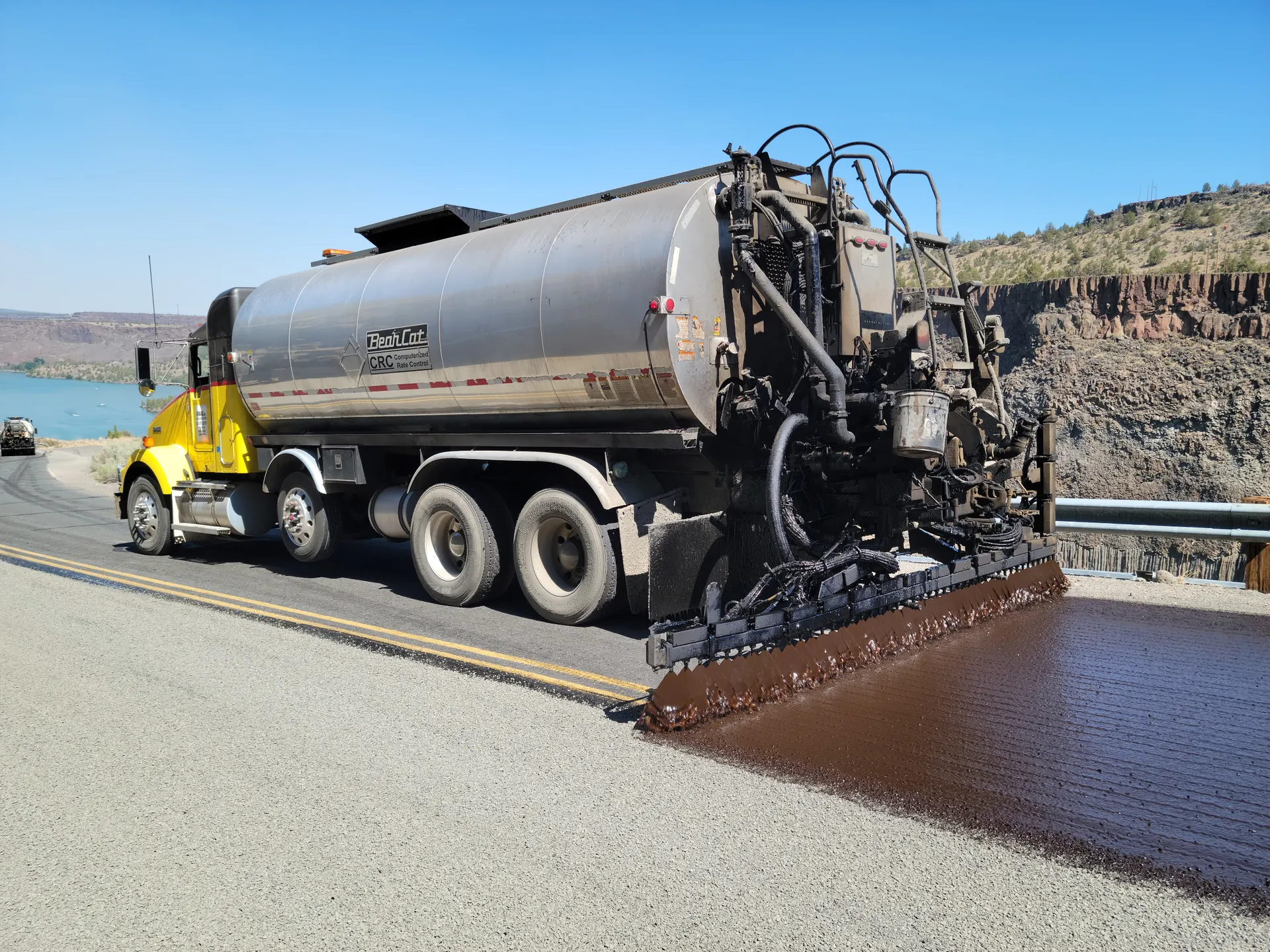
Asphalt Paving · Fort Worth, TX
Sealcoating in South Fort Worth, TX
Asphalt along the South Freeway doesn't fail from traffic first — it fails because the sun cooks the binder out of it. Asphalt & Paving South Fort Worth has coordinated driveway sealcoating, parking lot sealcoating, asphalt-emulsion sealer application, and coal-tar sealer application across Forest Hill, Benbrook, and Crowley for 15 years, and we're Open 24 Hours so scheduling fits your week, not ours.
This page covers maintenance, not repair. Sealcoating is the protective layer that goes over asphalt that's already structurally sound — it isn't built to fill a pothole, rebuild a broken base, or fix a lot that's already cracked through. If that's what you're dealing with, our [asphalt repair](/asphalt-repair) and [asphalt resurfacing](/asphalt-resurfacing) pages cover it; this one is about protecting pavement that's still in good shape from getting there in the first place.
It's a bigger deal south of downtown than it sounds: Tarrant County's summer sun bakes pavement surface temperatures high enough to oxidize asphalt binder fast, and underneath it sits the same expansive 'black gumbo' clay running through Forest Hill, Benbrook, and Crowley — soil that swells and shrinks hard enough to heave a driveway on its own. A sealed surface sheds water instead of letting it track through hairline cracks into that reactive subgrade — the whole point of sealing before the surface starts failing, not after.
We coordinate the work in the order that holds up: crack fill first, sealer second, never reversed. The crews we coordinate with pick coal-tar or asphalt-emulsion sealer based on how the surface gets used, apply it by squeegee or spray, and tell you exactly when it's safe to park or walk on it again.
What We Do
Our Sealcoating Services in South Fort Worth
A quiet driveway off Sycamore School Road and a commercial lot fronting McCart Avenue don't wear the same way, so we don't seal them the same way either. Method and material get matched to how the surface actually gets used.

Driveway Sealcoating
A typical residential driveway coat runs $0.15 to $0.30 per square foot, or roughly $400 to $800 total, and the application itself usually takes 2 to 4 hours once the surface is cleaned, cracks filled, and edges taped off.
We schedule around a dry, warm stretch since sealer needs a clear cure window, and we'll tell you exactly how long to stay off it before driving and parking resume.

Parking Lot Sealcoating
Commercial lots run $0.15 to $0.50 per square foot depending on footage, obstacles, and sealer type, and a small-to-mid lot typically takes 1 to 2 days once prep, application, and cure time are accounted for.
Since a closed lot means lost parking for a business, we coordinate the job in sections where the layout allows it, then handle re-striping through our [parking lot paving](/parking-lot-paving) service once the sealer has fully cured.

Coal-Tar vs. Asphalt-Emulsion Sealer Application
Coal-tar sealer resists oil, gas, and fluid drips better, which is why it's the default for commercial lots and shops with vehicles parked or idling daily. Asphalt-emulsion sealer runs lower-VOC, cures quicker, and is the common pick for driveways or anywhere local rules limit coal-tar products.
The crews we coordinate with choose the sealer based on how the surface is actually used, not whichever tub is closest, and hold to Asphalt Institute guidance on cure windows.
The Benefits
Why Sealcoating Protects Your Investment in South Fort Worth
A seal coat looks like a cosmetic touch-up from the curb, but it's the thing keeping sun and water out of asphalt that would otherwise start breaking down from the inside within a few Texas summers.

Blocks UV Oxidation Before It Cracks the Surface
Unsealed asphalt binder oxidizes under direct sun and high pavement-surface temperatures, losing the oils that keep it flexible until the surface goes gray, brittle, and starts raveling — loose aggregate shedding off the top layer. Fresh sealer absorbs that UV exposure instead of the binder underneath, which is why a 2- to 3-year reseal cycle matters more here than in a cooler climate.

Keeps Water Out of Cracks and the Clay Below
Once a hairline crack opens in unsealed asphalt, water follows it straight to the expansive clay subgrade under Forest Hill, Benbrook, and Crowley — clay that swells when wet, widening the crack from underneath. Filling cracks and sealing the surface closes off that path, which is why a sealed driveway or lot stays flatter longer than one left bare on the same shifting soil.

Far Cheaper Than Waiting for Failure
Pavement preservation at the right time runs more than six times as cost-effective as letting a surface fail into full rehabilitation — Michigan DOT hit its target network condition for about $80 million in preventive work versus an estimated $700 million to rebuild, a ratio that holds just as well on a single driveway or lot. A routine seal coat runs a few hundred dollars; a lot already past sealing into alligator cracking is looking at [asphalt resurfacing](/asphalt-resurfacing) instead.
Why Us
Why South Fort Worth Property Owners Choose Us for Sealcoating
Fifteen years of coordinating pavement maintenance from the South Freeway corridor out to Benbrook and Crowley means we've seen exactly what goes wrong when sealcoating gets rushed or sold as a fix for damage it was never meant to cover.
Crack Fill First, Never Seal Over Damage
Sealer poured over an open crack traps water underneath instead of keeping it out, making the crack worse, not better. Every job starts with the crews we coordinate with routing and filling cracks — hot-pour on the bigger ones, patching alligatored spots — before a single coat of sealer goes down.
Sealer and Timing Matched to the Job
New asphalt must finish curing before it can be sealed — roughly 30 days for a commercial lot, up to 90 for a residential driveway — and sealing too soon traps solvents that haven't fully evaporated. We track that window on every new-paving job handed off to sealing, and pick coal-tar or asphalt-emulsion based on what the surface actually gets exposed to.
Honest 2-3 Year Cadence, Not Annual Upselling
Some companies push a seal coat every year regardless of condition because it's easy repeat business. We check the wear on the existing coat before recommending anything — most South Fort Worth driveways and lots don't need resealing more often than every 2 to 3 years, though a busy commercial lot might need it sooner and a shaded driveway might stretch well past that.
Sealcoating only works as protection if crack filling and any structural repair happen first — see our asphalt repair page if your driveway or lot already has potholes or alligator cracking, or asphalt resurfacing if the damage has gone past what a coating can fix. For the full picture of how the same South Fort Worth paving crew plans a job from base prep through the final coat, our asphalt paving page covers new construction, and property managers weighing a full lot program can see how sealing fits alongside striping on the parking lot paving page.
Frequently Asked Questions
How often should I sealcoat my driveway or parking lot in South Fort Worth?
Most driveways and parking lots around Forest Hill, Benbrook, and Crowley hold up well on a 2- to 3-year reseal cycle, though the right interval depends more on sun exposure and traffic than a fixed calendar date. A shaded residential driveway with light use can often stretch past three years, while a commercial lot handling daily traffic in full sun may need it closer to the two-year mark. We inspect the existing surface before recommending a schedule instead of pushing an annual coat regardless of condition, since sealing before it's needed just adds cost without adding protection.
What's the difference between coal-tar sealer and asphalt-emulsion sealer?
Coal-tar emulsion sealer resists oil, gasoline, and other petroleum fluids better than asphalt-emulsion, which is why it's the more common choice for commercial parking lots and any surface with vehicles regularly parked or idling on it. Asphalt-emulsion sealer runs lower in VOCs, dries a bit faster, and is often the pick for residential driveways or areas where local rules restrict coal-tar products. Neither is universally the better option — it comes down to what the surface is exposed to day to day, and the crews we coordinate with make that call based on the job, not on what's easiest to apply.
How much does sealcoating cost for a driveway versus a parking lot?
A standard residential driveway typically runs $0.15 to $0.30 per square foot, roughly $400 to $800 total once crack filling and prep are included. Commercial parking lots run $0.15 to $0.50 per square foot depending on sealer type, lot size, and how many obstacles — light poles, islands, drains — the crew has to work around by hand. Larger lots generally land at a lower per-square-foot rate than small, obstacle-heavy ones, since open square footage covers faster than tight corners and handwork areas.
How long does sealcoating take, and when can I use the surface again?
Sealing a standard residential driveway takes about 2 to 4 hours once the surface is cleaned, cracks filled, and edges taped, while a commercial parking lot typically takes 1 to 2 days depending on size and whether a second coat is needed. The sealer needs a clear, dry weather window to cure properly, so we build the schedule around the forecast rather than a fixed date. We'll walk you through exactly when it's safe to walk and drive on the surface before we start, since that window shifts with temperature and humidity on the day of the job.
Do you need to fill cracks before sealcoating, or can the sealer handle that?
Sealer alone won't fix a crack — it's a thin protective coating, not a structural filler, and pouring it over an open crack just traps moisture underneath instead of keeping water out. Every sealcoating job we coordinate starts with routing and filling cracks first, using hot-pour sealant on the larger ones and patching any alligatored or crumbling spots, and only then applying the sealer over the repaired surface. Skipping that step is the single most common reason a seal coat fails early, so it's never treated as optional.
Can you sealcoat asphalt that was just paved?
No — new asphalt has to finish curing before sealer will bond correctly, and sealing too early traps solvents and oils that haven't fully evaporated, which can cause the coating to fail or discolor. The typical wait is about 30 days for a commercial lot and up to 90 days for a residential driveway, since a driveway's thinner mat and lighter traffic cure more slowly than a compacted commercial section. If you just had new paving done through our [asphalt paving](/asphalt-paving) service, we'll flag the earliest safe sealing date rather than scheduling it too soon.
What's the difference between sealcoating and resurfacing?
Sealcoating is a thin protective coating applied over asphalt that's still structurally sound — it slows UV oxidation and keeps water out of surface cracks, but adds essentially no thickness and fixes nothing structural. Resurfacing means placing a new layer of asphalt over the existing surface to correct real wear, ruts, or widespread cracking — a repair-and-rebuild step, not maintenance. If your pavement is still solid underneath with only surface-level graying or minor cracking, sealcoating is the right call; if it's rutted, alligator-cracked, or uneven, our [asphalt resurfacing](/asphalt-resurfacing) page covers what comes next.
Will sealcoating fix potholes or cracking that's already spread?
No. Sealcoating is preventive maintenance for asphalt that hasn't failed yet — it won't fill a pothole, rebuild a broken edge, or stop alligator cracking that's already spread across a section of pavement. Those problems need actual repair first, which is why we always inspect before quoting a seal coat and route you to our [asphalt repair](/asphalt-repair) service instead if the surface has damage a coating can't address. Sealing over existing structural damage just hides the problem while it keeps getting worse underneath.
What time of year is best for sealcoating in South Fort Worth?
Warm, dry stretches in spring and fall tend to be the easiest scheduling windows, since sealer needs several hours of clear weather to cure and extreme summer heat can make the material flash-dry unevenly if applied in direct peak-afternoon sun. Summer sealing still happens routinely here — it's just timed around the cooler parts of the day and a forecast without rain right after application. What we avoid is sealing right before a cold front or heavy rain, since either can ruin a coat that hasn't had time to cure.
Is sealcoating worth it for a commercial parking lot, or is it mainly a driveway service?
It's arguably more valuable on a commercial lot, since a larger paved surface represents a bigger capital investment and a failed lot means a far more expensive resurfacing or reconstruction bill down the line. Preventive maintenance at the right time runs more than six times as cost-effective as letting pavement fail into full rehabilitation, a ratio documented at the state DOT level and one that applies just as directly to a shopping-center lot near TCU or the Chisholm Trail Parkway corridor as to a stretch of highway. A property manager scheduling sealcoating every 2 to 3 years spends a fraction of what a full resurfacing costs once cracking and rutting take hold.
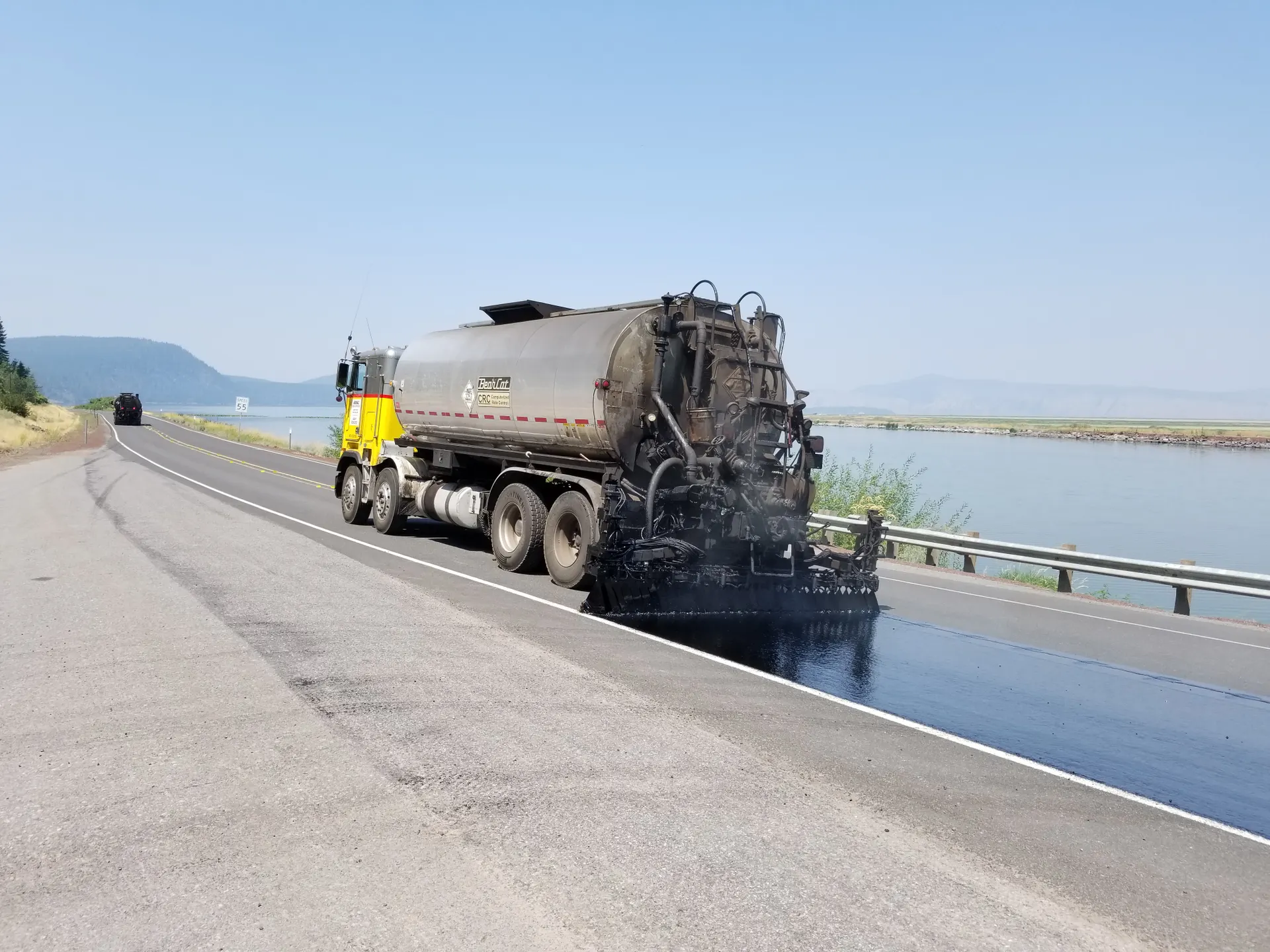
Protect Your Asphalt Before the Summer Sun Wins
Driveway and parking lot sealcoating, scheduled around your property. Call (817) 632-9447 for a quote.
Call (817) 632-9447