
Asphalt Paving · Fort Worth, TX
Asphalt Paving in Forest Hill, TX: Driveways, Repair & Sealcoating
Forest Hill sits about 7 miles southeast of downtown Fort Worth off U.S. 287 (the Martin Luther King Jr. Freeway) and Interstate 820. At Asphalt & Paving South Fort Worth, we coordinate paving crews through this stretch of the south side regularly — not as a special trip from our 5000 South Fwy dispatch point. Incorporated in 1946, Forest Hill packs 13,955 residents into just 4.17 square miles, one of the most compact, densely built suburbs on our route.
That density comes from one fast building wave: Forest Hill's population jumped from 1,519 in 1950 to 8,236 by 1970 and 11,684 by 1980, a postwar boom that laid down most of the city's driveways and streets in two decades. Nearly eight decades of expansive 'black gumbo' clay — the same high-plasticity, shrink-swell soil weathered from the Cretaceous Eagle Ford and Woodbine formations under the rest of Tarrant County — has worked underneath that original mid-century concrete and asphalt ever since, showing up in the cracking we see on almost every call here.
Commercial paving demand concentrates along U.S. 287, Forest Hill Drive and the Mansfield Highway (Spur 303), where older strip retail carries steady traffic on lots that haven't been resurfaced in years. TxDOT's Southeast Connector project is also rebuilding I-20/I-820/US-287 starting at Forest Hill Drive, reshaping access for several properties along that stretch. Call (817) 632-9447 any time — we're open 24 hours and we'll walk your property before quoting a number.
Local Service
Driveway Paving & Repair for Forest Hill's Mid-Century Housing Stock
Forest Hill's biggest building wave landed in the 1950s and 1960s, and much of the city's original concrete and asphalt driveways are now decades past normal service life on the same reactive clay.
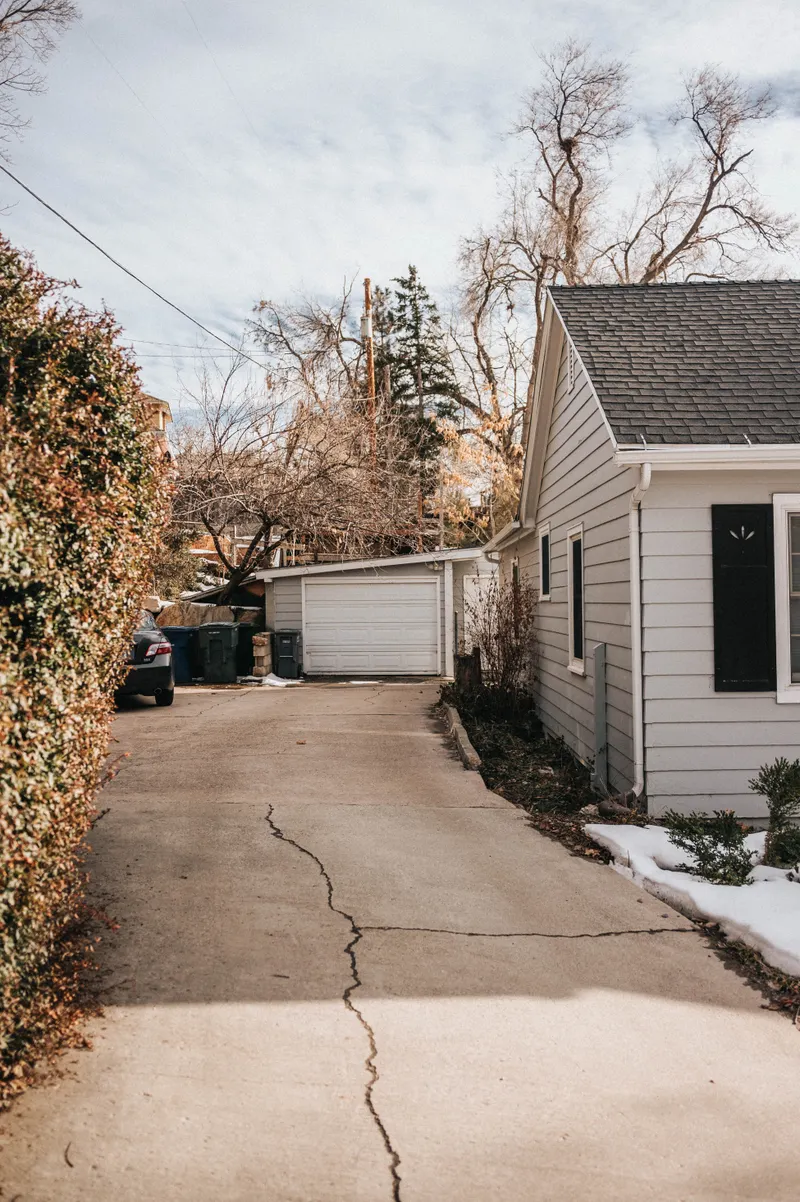
Driveway Replacement for Forest Hill's Postwar 1950s-1970s Homes
Forest Hill incorporated in 1946 and grew from 1,519 residents in 1950 to over 8,000 by 1970, packing most of its housing stock into a couple of postwar decades. Driveways poured for those original homes are now well past their expected service life, and we see the same pattern block after block: edge cracking that widens every summer, a base never compacted to today's standard, and slabs that have simply run out of material life.
A full tear-out isn't always necessary — we check whether the existing base can carry an overlay first, and tell homeowners honestly which option buys another decade instead of another patch.
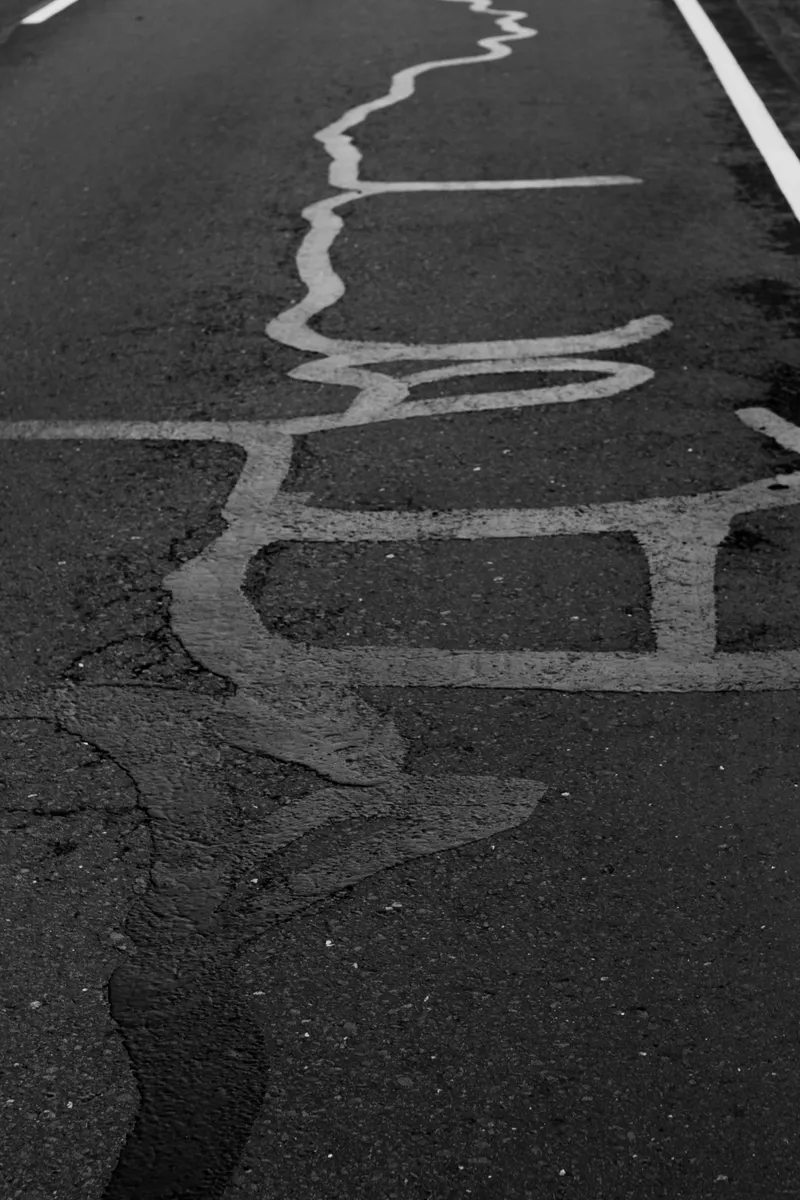
Clay-Heave Crack Repair for Forest Hill's Black Gumbo Soil
Forest Hill sits on the same expansive 'black gumbo' clay running through Tarrant County — high-plasticity soil weathered out of the Cretaceous Eagle Ford and Woodbine formations that swells hard when wet and shrinks just as hard through a long Texas summer. On a 4.17-square-mile city built out almost entirely during one postwar era, that seasonal movement heaves straight-line cracks through driveways finished correctly the day they were poured.
That's a subgrade problem, not a workmanship one — the fix means proper base depth and compaction that gives new asphalt a real chance against the clay, plus routine crack sealing so water doesn't reach the reactive soil.
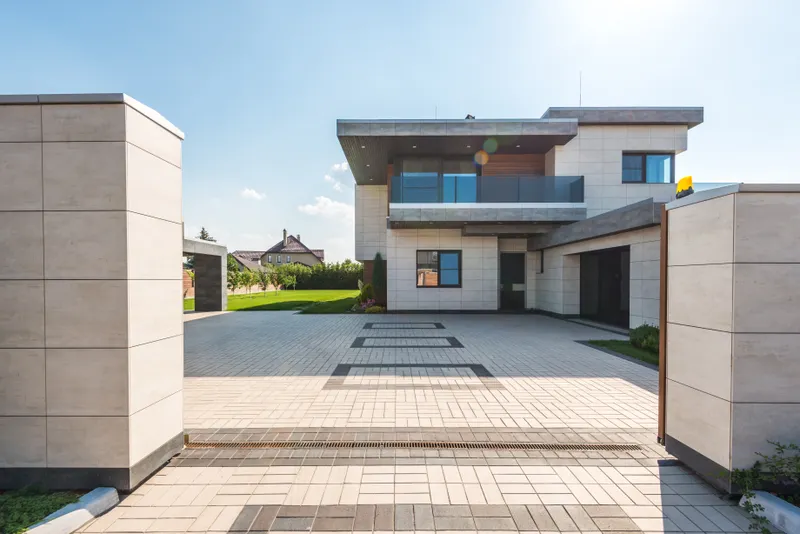
Driveway Resurfacing Near O.D. Wyatt and Forest Oak
Streets around O.D. Wyatt High School and Forest Oak Middle School carry some of Forest Hill's oldest original driveways, and years of Texas summer heat have oxidized the asphalt binder — the graying, brittle look that shows up long before the base gives out. Once oxidation sets in, the surface sheds aggregate and cracks under ordinary thermal expansion even where the subgrade is still sound.
A thin overlay or full resurfacing restores a solid wear surface without the cost of a full tear-out, but we check the base first — resurfacing over ground already failing from clay movement only buys a shorter fix.
Local Service
Commercial Paving Along US-287, Forest Hill Drive & Mansfield Highway
Forest Hill's commercial corridor runs along U.S. 287, Forest Hill Drive and the Mansfield Highway (Spur 303), where aging strip retail and light-industrial lots carry traffic that ages asphalt faster than a residential street.

Parking Lot Paving & Resurfacing on US-287 and Forest Hill Drive
U.S. 287 (the Martin Luther King Jr. Freeway), Forest Hill Drive and Anglin Drive carry the bulk of Forest Hill's commercial traffic, and the strip retail and service lots along them were largely built during the same postwar decades as the surrounding neighborhoods. A lot sized for lighter traffic decades ago shows wheel-path rutting and alligator cracking well before its structural life should be up, especially over the same expansive clay that heaves residential driveways citywide.
We evaluate whether a US-287 or Forest Hill Drive property needs full-depth repair, a mill-and-overlay, or new paving over a rebuilt base, sized to the lot's traffic pattern, not a generic quote.

Forest Hill Permit Coordination Amid the Southeast Connector Rebuild
Driveway and paving work inside Forest Hill runs through the City of Forest Hill's Permits & Applications department, and TxDOT's ongoing Southeast Connector project — rebuilding I-20/I-820/US-287 starting at Forest Hill Drive — has shifted access and staging on several nearby streets during construction. Commercial lot work along the corridor tends to carry more documentation than a driveway repour, especially where drainage or access is affected by the rebuild.
The crews we coordinate handle the permit application and inspection scheduling as part of the job, so a Forest Hill property owner isn't tracking down which office to call or how the state project affects their site.
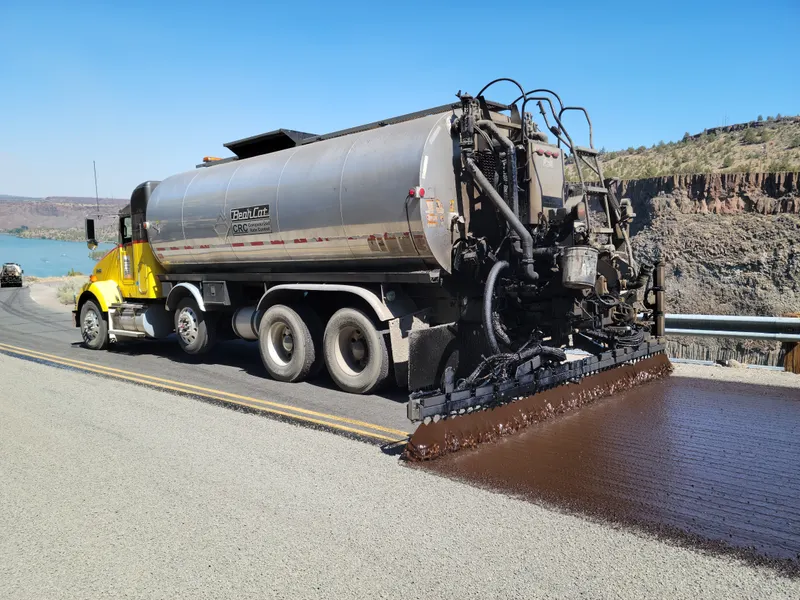
Commercial Sealcoating for Forest Hill Retail & Light-Industrial Lots
Preventive maintenance on schedule runs more than six times as cost-effective as letting pavement fail into full rehabilitation, and that math holds for a Mansfield Highway strip lot too. Sealcoating protects asphalt binder from UV oxidation and keeps water from reaching the reactive clay subgrade underneath.
Lots along Forest Hill's busiest corridors generally need sealcoating on a tighter cycle than a quiet residential driveway, and we schedule work around a business's actual operating hours.
Local Service
Fast Response Across Forest Hill's 4.17 Square Miles
Short Drive From Our South Freeway Dispatch Point
Forest Hill sits roughly 7 miles southeast of downtown Fort Worth via U.S. 287 and Interstate 820, a short run from our 5000 South Fwy address on the I-35W corridor. At just 4.17 square miles, the city is compact enough that a crew on one street is usually minutes from the next, whether the call is a driveway near Anglin Drive or a lot fronting Forest Hill Drive.
That proximity means faster on-site evaluation and a quote that isn't padded for drive time, on a residential repair or a commercial resurfacing job.
Covering Both Forest Hill ZIPs and Both School Districts
Forest Hill spans two ZIP codes, 76119 and 76140, and the city itself is split between the Everman Independent School District and the Fort Worth Independent School District — a boundary that doesn't change how we quote or schedule a job. Every address inside those ZIPs gets the same fixed-price estimate and scheduling priority, regardless of district line.
We also cover unincorporated pockets bordering the city, confirming which permitting authority applies before a crew starts.
Serving Forest Hill and Crowley Together
Forest Hill and [Crowley](/crowley-tx) both sit inside the south-side territory we work daily, and a crew wrapping up a Forest Hill driveway is often a short drive from a Crowley job the same afternoon. Both suburbs sit on the same expansive black-gumbo clay belt, so the cracking and heaving patterns track a similar seasonal cycle a few miles down the road, even though Crowley's housing stock runs newer.
That overlap, plus the crews we coordinate across [Benbrook](/benbrook-tx) on the same south-side route, means a Forest Hill property owner isn't waiting on a dedicated trip — dispatch already covers this corner of Tarrant County weekly.
Forest Hill sits inside our standard south Fort Worth coverage, across both ZIPs — 76119 and 76140 — from the mid-century neighborhoods near O.D. Wyatt High School out to the commercial corridor along U.S. 287, Forest Hill Drive and Mansfield Highway. Every call here connects to the same South Fort Worth paving crew that coordinates work across Benbrook and neighboring Crowley daily.
Whether you need asphalt paving for a new driveway, asphalt repair on a cracked mid-century street, sealcoating for a US-287 retail lot, asphalt resurfacing for an aging parking lot, or full parking lot paving for a commercial property, call (817) 632-9447 — we're open 24 hours and dispatch already knows this corridor.
Service Area
Serving Forest Hill & Nearby
Frequently Asked Questions
How much does asphalt paving cost in Forest Hill?
New asphalt paving typically runs $3 to $15 per square foot installed, and a full residential driveway in Forest Hill usually lands between $3,000 and $10,000 depending on size, base condition and access. A commercial lot along U.S. 287 or Forest Hill Drive scales up quickly, running $10,000 to $150,000 for a small-to-mid-size property. Forest Hill's expansive clay subgrade sometimes pushes cost above a flat estimate, since reactive soil needs deeper base prep to avoid heaving again within a few seasons. We give a written estimate after an on-site subgrade evaluation, not a phone-quote guess.
Why do so many Forest Hill driveways crack around the same age?
Forest Hill incorporated in 1946 and grew fastest through the postwar 1950s-70s decades, so most of the city's original driveways were poured in a narrow window and are now aging into failure at roughly the same time. That original concrete and asphalt sits on high-plasticity 'black gumbo' clay weathered from the Cretaceous Eagle Ford and Woodbine formations, which swells during wet stretches and shrinks hard through the long Texas summer, moving several inches under anything paved on top. That combination — mid-century age plus reactive soil — is why Forest Hill sees this failure pattern earlier and more consistently than newer subdivisions nearby. Proper base depth and drainage grading reduce, but don't eliminate, seasonal movement.
Do I need a permit to pave a driveway in Forest Hill?
Yes — driveway and paving work inside Forest Hill's corporate limits requires a permit through the City of Forest Hill's Permits & Applications department, covering approach width, drainage and right-of-way. Properties in unincorporated pockets bordering the city fall under a different authority. We confirm the correct one before the crew starts and coordinate the permit application and inspection as part of the job, so you're not tracking down which office handles it.
How is the TxDOT Southeast Connector project affecting paving work in Forest Hill?
TxDOT's Southeast Connector project is rebuilding I-20, I-820 and U.S. 287 starting at Forest Hill Drive, and construction staging has shifted access on several nearby streets while work continues. For a Forest Hill property near that corridor, we check current access and drainage conditions on site before quoting, since the rebuild can affect how a driveway or lot ties into the adjacent right-of-way. It hasn't slowed our ability to schedule paving work — we just confirm site access as part of the initial visit rather than assume it's unchanged since construction started.
How long before I can drive on new asphalt in Forest Hill?
New asphalt generally needs 3 to 7 days of cure time before regular vehicle traffic, longer if placed when temperatures fall below 50°F. Light foot traffic is usually fine within 24 to 72 hours. In Forest Hill, we time paving jobs around North Texas's temperature window — asphalt compacts and cures best in moderate weather, and placing it during peak summer heat or a winter cold snap can affect final density. We'll give a specific timeline based on the day's actual conditions, since Texas weather swings enough to matter.
How often should a Forest Hill driveway or lot be sealcoated?
Sealcoating protects the asphalt binder from UV oxidation and the clay-driven cracking that shows up early on Forest Hill's mid-century driveway stock, and preventive maintenance on schedule is documented as more than six times as cost-effective as letting pavement fail into full rehabilitation. A driveway sealcoat typically runs $0.15 to $0.30 per square foot and takes 2 to 4 hours, while a commercial lot along US-287 or Forest Hill Drive runs $0.15 to $0.50 per square foot depending on traffic and coating type. New asphalt needs to cure first — roughly 30 days for a lot and up to 90 for a driveway — before the first sealcoat goes down.
What's the difference between resurfacing and full driveway replacement?
Resurfacing — a thin overlay or mill-and-overlay — adds a fresh wear layer over an existing base that's still structurally sound, running $1.50 to $4.50 per square foot, far less than a full tear-out. Full-depth removal and replacement, running roughly $4 to $8 per square foot, is the right call when the base itself has failed, usually from years of clay-driven heaving cracking through to the subgrade. In Forest Hill, where much of the driveway stock is the same postwar age, we check base condition before recommending either — resurfacing a genuinely failing base only buys a short-term fix.
Can you pave new asphalt over an existing driveway or parking lot in Forest Hill?
In many cases, yes — an overlay places new asphalt directly over sound existing pavement, typically faster and less expensive than demolition and full replacement. It only works when the existing surface and base are structurally sound, though; paving over cracking driven by Forest Hill's expansive clay subgrade without fixing the base first just telegraphs the same cracks through the new surface within a season. We evaluate the existing pavement and subgrade on site before recommending an overlay versus a mill-and-overlay, which removes the top layer first for a more durable result.
What causes potholes and cracking in Forest Hill parking lots?
Alligator cracking, rutting and eventual potholes generally start with water working through surface cracks into the base, a process Forest Hill's expansive black-gumbo clay accelerates because the subgrade is already moving seasonally underneath the pavement. Heavy, steady traffic along the US-287, Forest Hill Drive and Mansfield Highway corridor adds mechanical stress on top of that soil movement, showing up as wheel-path rutting and edge cracking earlier than on a quieter residential street. Preventive crack sealing and sealcoating on schedule keep water out of the subgrade and cost meaningfully less than full-depth pothole repair later.
Is Forest Hill different from Benbrook or Crowley for paving work?
All three south-side suburbs sit on the same expansive clay belt, but the housing stock and layout differ. Forest Hill incorporated in 1946 and built out almost entirely during the 1950s-70s postwar boom across just 4.17 square miles, split between Everman ISD and Fort Worth ISD — a denser, older core than Benbrook's lake-area 1960s-90s growth or Crowley's newer subdivisions. Forest Hill also has the active TxDOT Southeast Connector rebuild reshaping access near Forest Hill Drive, a factor unique to this suburb now. We coordinate the same crews, pricing and 24-hour dispatch across all three cities.

Get a Fixed-Price Paving Quote for Your Forest Hill Property
Same coordinated crews and pricing as the rest of the south side, open 24 hours.
Call (817) 632-9447