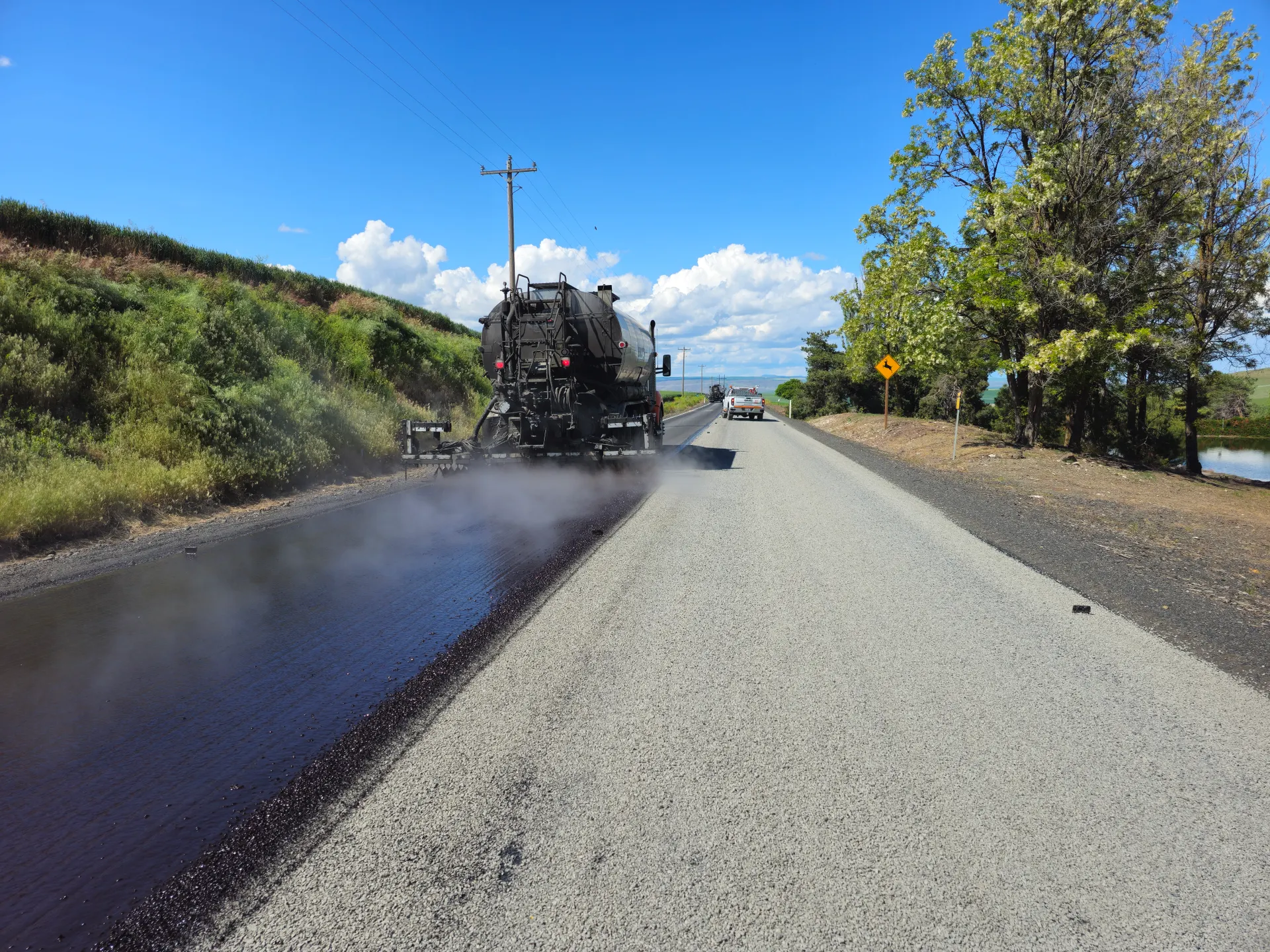
Asphalt Paving · Fort Worth, TX
Asphalt Paving in South Fort Worth, TX
Asphalt & Paving South Fort Worth builds new asphalt paving for driveways, private roads, and parking lots across Forest Hill, Benbrook, Crowley, Everman, and Wedgwood — phones answered 24 hours a day, and every job priced from a written, itemized quote. South Fort Worth is the low, water-gathering side of Tarrant County: the ground tilts toward the Clear Fork of the Trinity, Sycamore Creek, and Benbrook Lake. The reason a new driveway off McCart Avenue or a lot along the I-35W South Freeway corridor fails early here usually isn't the blacktop — it's water sitting on the surface or trapped in the base under it.
So we lead every job with drainage, not the top mat. Before we talk mix or thickness, we walk the site and find where water goes — the finished slope that carries it off, and the base beneath that has to shed and drain rather than hold moisture. Get the grade and base right and pavement runs its full life; get them wrong and even a flawless mat starts potholing and edge-cracking within a season or two on the low ground near Sycamore School Road. Expansive clay adds seasonal movement, but on this side of the county water is the lead actor — which is why cost of ownership gets decided in the dirt, weeks before the asphalt arrives.
This page covers new asphalt construction — driveways, private roads, and lots built from the subgrade up. Patching a pothole or crack in pavement that's already down is asphalt repair; sealing a surface that's still sound is sealcoating; milling and re-topping a worn-but-solid surface without a full tear-out is asphalt resurfacing. New construction is its own scope, with its own drainage design and base work — the full menu across the metro lives on our services page.
A new-paving job runs the same drainage-first sequence every time: an on-site evaluation of the grade and low spots, then a written itemized quote; demolition and grading cut to a positive drain slope; a compacted aggregate base built in lifts and density-checked against a Proctor target (AASHTO D698/D1557); hot-mix laid and roller-compacted while still hot; then a cure window before traffic, with striping last. We match PG (performance-graded) binder to Texas heat, follow Superpave mix design, and work to TxDOT standard specifications and Asphalt Institute guidance — but slope and base lead, because those keep water from ending a pavement early.
What We Do
Our Asphalt Paving Services in South Fort Worth
A driveway, a private road, and a commercial lot each move water and carry load differently, so each gets its own slope, base depth, and structural section. Here's how we scope the three, drainage first.
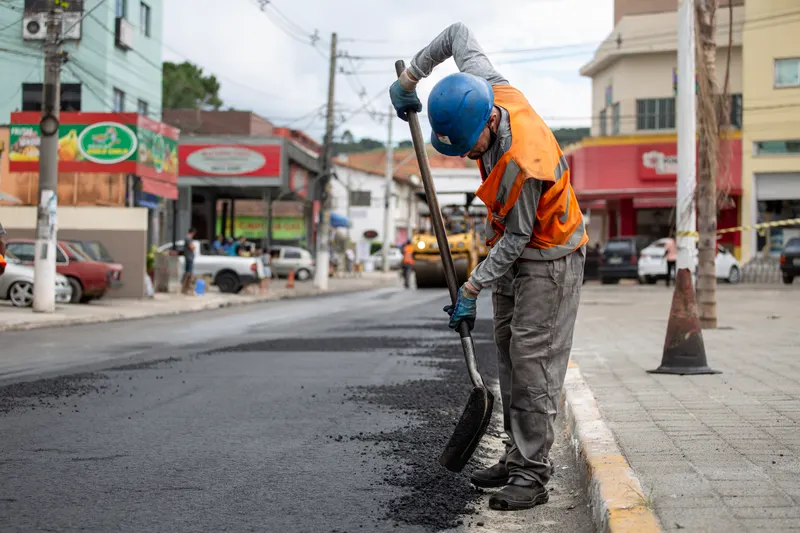
New Driveways & Private Roads, Sloped to Drain
A new residential driveway generally runs $3,000 to $10,000 installed — roughly $3 to $15 per square foot — and takes 1 to 2 days: grade to a positive slope, compact the subgrade, build and density-check the aggregate base, then lay and roll the hot-mix while it's hot. On the flat lots common through Forest Hill and Everman, the pitch off the apron is designed before anything is poured.
Gravel-to-asphalt conversions and widenings toward Benbrook follow the same steps; private roads just use a heavier structural section and the same slope and base work across a longer run.
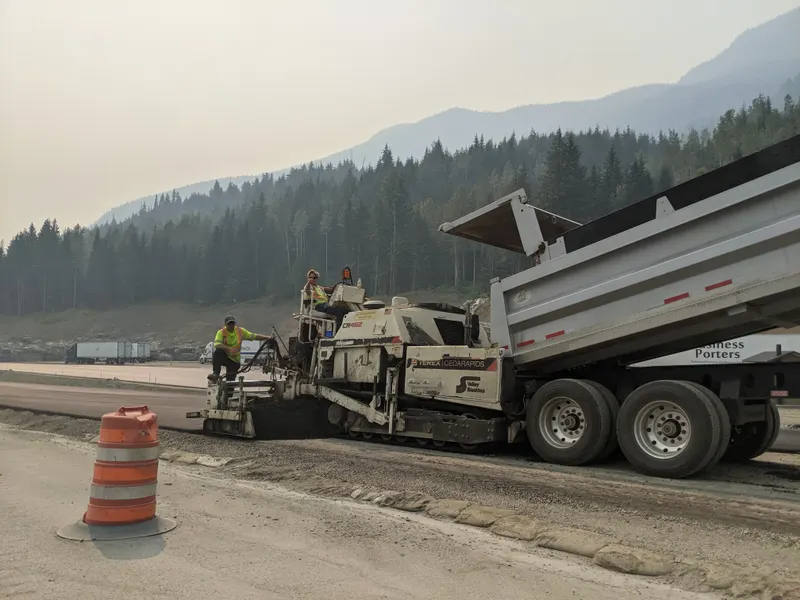
Parking Lots Laid Out Around the Water
On a commercial lot the drainage plan comes before the paving plan. Slope to the drains, bay pitch, island placement, and where sheet flow leaves the pad all get worked out before the first load arrives — a real concern on the low retail ground near the I-35W South Freeway corridor and along Hemphill Street, where water has nowhere fast to go. The lot then gets a thicker structural section over a deeper compacted base to carry trucks and stop-and-turn loading without rutting.
Layout striping, ADA stalls, and pavement markings are a separate phase that waits for the surface to cure — covered on the parking lot paving page.
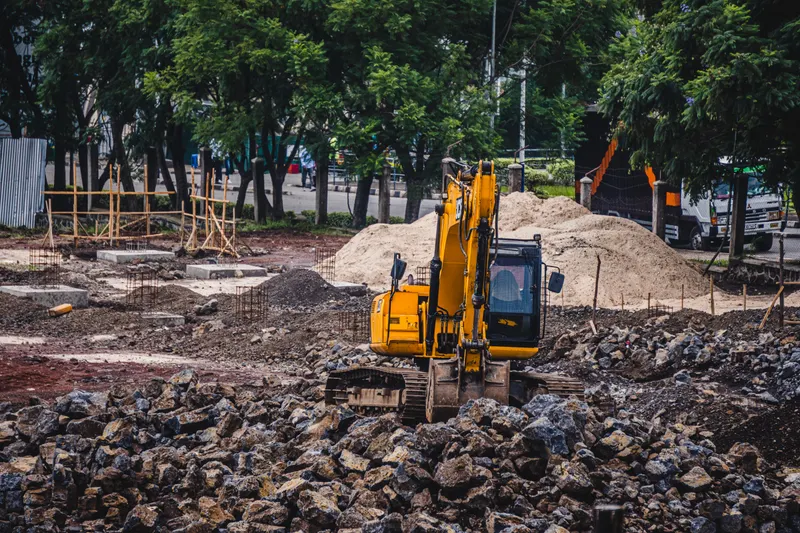
Subgrade & Base — Where Drainage Is Won or Lost
This is the step that decides everything, and on this low side of the county it usually takes 0.5 to 2 days on its own. We excavate and grade to the drain slope, compact the subgrade, then place a crushed-stone aggregate base in lifts and compact each to a Proctor density target (AASHTO D698/D1557), with a prime coat where the mix calls for it.
Where an old surface sits on a subgrade already ruined by trapped water, full-depth removal and replacement — commonly $4 to $8 per square foot — is the honest fix.
The Benefits
Why Drainage-First Paving Pays Off in South Fort Worth
New asphalt is only as good as the water plan under it — getting slope, base, and cure right the first time separates pavement that runs 15 years from pavement back on the repair list by spring.
Water Leaves the Surface Instead of Sitting on It
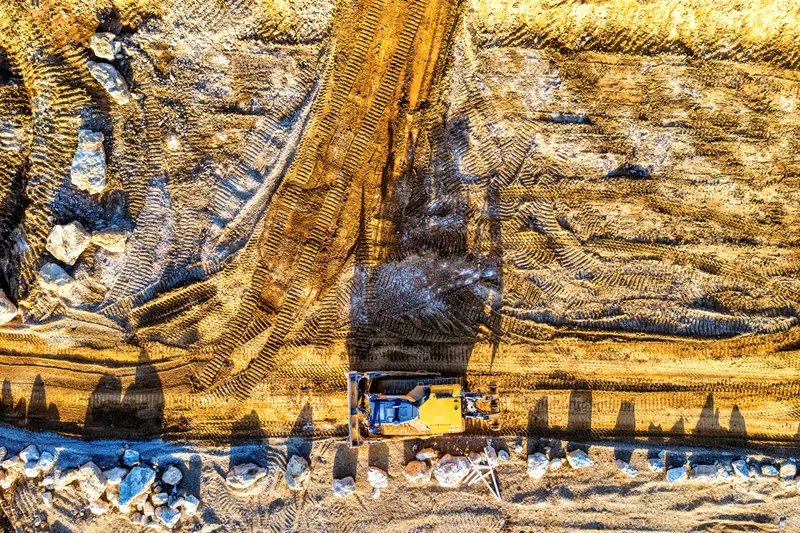
Standing water is the fastest way to wreck new pavement — it works into the surface, softens the base, and cycles at the edges until the mat lets go. So every driveway, road, and lot gets a designed positive slope that carries runoff off and away before it can pond, which matters most on the near-flat ground near Benbrook Lake and the Clear Fork.
A Base Built to Drain and Carry the Load
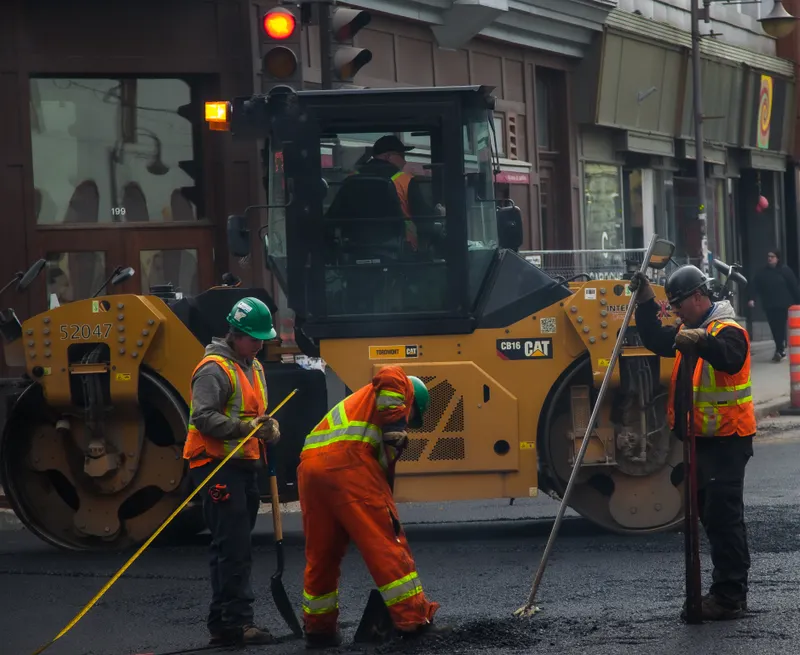
Under-compacted base is invisible the day the job finishes and expensive the year it fails. We build the aggregate base in lifts and density-test each against a Proctor target rather than eyeballing it, so it drains sideways instead of pumping water up under the mat.
Permeable Asphalt Where the Site Calls for It
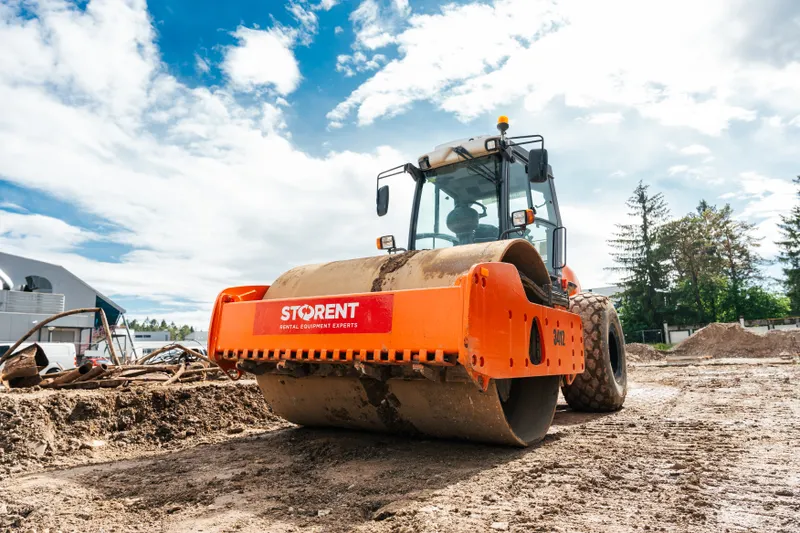
Some low-lying commercial sites near the Trinity floodplain do better managing stormwater than shedding it fast onto a neighbor. On the right lot, porous asphalt over an open-graded stone reservoir is a genuine option — EPA data shows porous pavement can infiltrate up to about 80% of the runoff that hits it, letting water soak down instead of sheeting off. It isn't right for every job, but where drainage capacity is the constraint we'll price it against a conventional lot so the numbers sit side by side.
Why Us
Why South Fort Worth Chooses Us for New Asphalt Paving
On the low, water-collecting side of Tarrant County the drainage and the base are the job, and both get built right before a single truck of hot-mix shows up.
Priced From a Written, Itemized Quote
You get the price after we've walked the site and seen the grade, not as a round number over the phone. The quote itemizes demolition, grading, base, asphalt, and drainage separately, so the slope-and-base cost is visible up front rather than a surprise mid-job.
Density-Tested Compaction to a Proctor Target
A soft spot in the base telegraphs straight up to the surface once traffic and seasonal ground movement start working on it. We compact each lift of base and asphalt to a Proctor density target (AASHTO D698/D1557) and check it rather than trusting the roller's weight and a good guess. On this drainage-sensitive ground a base that traps water fails first, so that test is the cheapest safeguard against a callback.
24-Hour Scheduling Around Storm Season
Asphalt placed below 50°F cures far more slowly, and a summer storm over a fresh mat before it compacts can undo a full day's work. So calls come in 24 hours a day and we move a start date ahead of the weather instead of fighting it.
Still deciding whether a cracked driveway needs full reconstruction or just a repair? The asphalt repair page covers pothole and patch work, and where the surface is worn but the base still drains and holds, asphalt resurfacing is usually the cheaper route. For everything we coordinate across Forest Hill, Benbrook, Crowley, and Everman, see our services — the same South Fort Worth paving crew behind every job here.
Frequently Asked Questions
How do you keep water off a new driveway or lot in South Fort Worth?
It starts before any asphalt goes down. We grade the site to a designed positive slope so runoff sheds off the surface rather than ponding at a low corner, then build a compacted aggregate base that drains sideways instead of trapping moisture under the mat. On flat, low ground through Forest Hill and near Benbrook Lake we crown or cross-pitch so water always has a clear exit, because water is what ends pavement early here.
How much does it cost to pave a new asphalt driveway or private road?
A new residential driveway generally runs $3,000 to $10,000 installed, or roughly $3 to $15 per square foot, depending on size, drainage work, and access; a private road costs more per foot for its heavier structural section. Where an old surface sits on a base ruined by trapped water, full-depth removal and replacement runs about $4 to $8 per square foot, priced separately. We quote after an on-site evaluation, with a written itemized breakdown rather than a phone estimate.
How long before I can drive or park on the new asphalt?
Plan on 3 to 7 days before regular vehicle traffic, and longer if the mat was placed below 50°F since cold slows the cure. Light foot traffic is usually fine within 24 to 72 hours, once the surface has cooled and set firm. Full hardening keeps going for six to twelve months as the mix finishes off-gassing, which is also why sealcoating a brand-new surface has to wait until well after paving.
Can you pave a new driveway or lot right over my existing asphalt or concrete?
It depends on what's underneath. If the old surface is structurally sound and just worn, an overlay or mill-and-overlay is usually the right call — covered on our asphalt resurfacing page. But if the base is soaked, the surface is cracked through, or the subgrade has already failed from water sitting in it, paving over the top just buries a problem that returns within a year, and full-depth removal is the only lasting fix.
What's the difference between paving a driveway and paving a parking lot?
A residential driveway carries passenger vehicles, so it needs a lighter structural section than a commercial lot that takes delivery trucks and constant stop-and-turn loading. A lot needs a thicker asphalt layer over a deeper, more heavily compacted base, plus a full drainage layout — slope to the drains, island placement, and where sheet flow leaves the pad. Exact thickness is specified after we evaluate the load, subgrade, and drainage, which along the low I-35W South Freeway corridor is often the hardest part of the job.
Is permeable or porous asphalt a real option here, and when does it make sense?
Yes, on the right site. Porous asphalt is laid over an open-graded stone reservoir so water soaks down through the surface instead of sheeting off, and EPA data shows porous pavement can infiltrate up to about 80% of the runoff that lands on it. That makes it worth considering on low-lying commercial lots near the Trinity floodplain, where managing stormwater on site beats dumping it onto a neighbor — so we'll price it against a conventional lot and let the numbers decide.
Why does base and subgrade preparation matter so much on this side of the county?
South Fort Worth sits low along the Clear Fork of the Trinity and Sycamore Creek, draining toward Benbrook Lake, so water collects here rather than running off quickly. A base that traps that water softens, pumps, and lets the surface above it fail early, no matter how good the top mat is. That's why we grade to a drain slope, compact the subgrade, and build the aggregate base in density-tested lifts before any asphalt goes down — and why the expansive clay's seasonal movement is something the base is built to flex with, not fight.
How thick does the asphalt need to be for my job?
There's no single number that fits every driveway or lot. A residential driveway needs a lighter section than a commercial lot because it only carries passenger cars, while a lot or private road built for delivery trucks needs a thicker asphalt layer over a deeper, more heavily compacted base to resist rutting. A site that holds water needs its base and slope designed more conservatively, so we specify the structural section after evaluating traffic load, subgrade, and drainage.
When can I sealcoat a brand-new asphalt driveway or lot?
New asphalt has to cure before it's sealed — usually around 30 days for a commercial lot and up to 90 days for a residential driveway. Sealing too early traps oils still evaporating out of the fresh mix and locks moisture against a surface that hasn't fully hardened, undercutting the protection the sealer is meant to add. Once that cure window passes, sealcoating protects the money you put into the pavement — full details live on our sealcoating page.
Should I choose asphalt or concrete for a new driveway or private road here?
Asphalt usually costs less to install than concrete, cures faster, and is far cheaper to repair or resurface later since patches and overlays are routine rather than a full slab pour. Concrete lasts longer between major interventions but shows cracking more plainly and costs more to fix once it does, especially where the ground keeps moving. Asphalt is also more forgiving of the seasonal soil movement and water on this low side of the county, near the Clear Fork and Benbrook Lake where the subgrade never fully settles.
Get Your New Asphalt Paving Job Scheduled
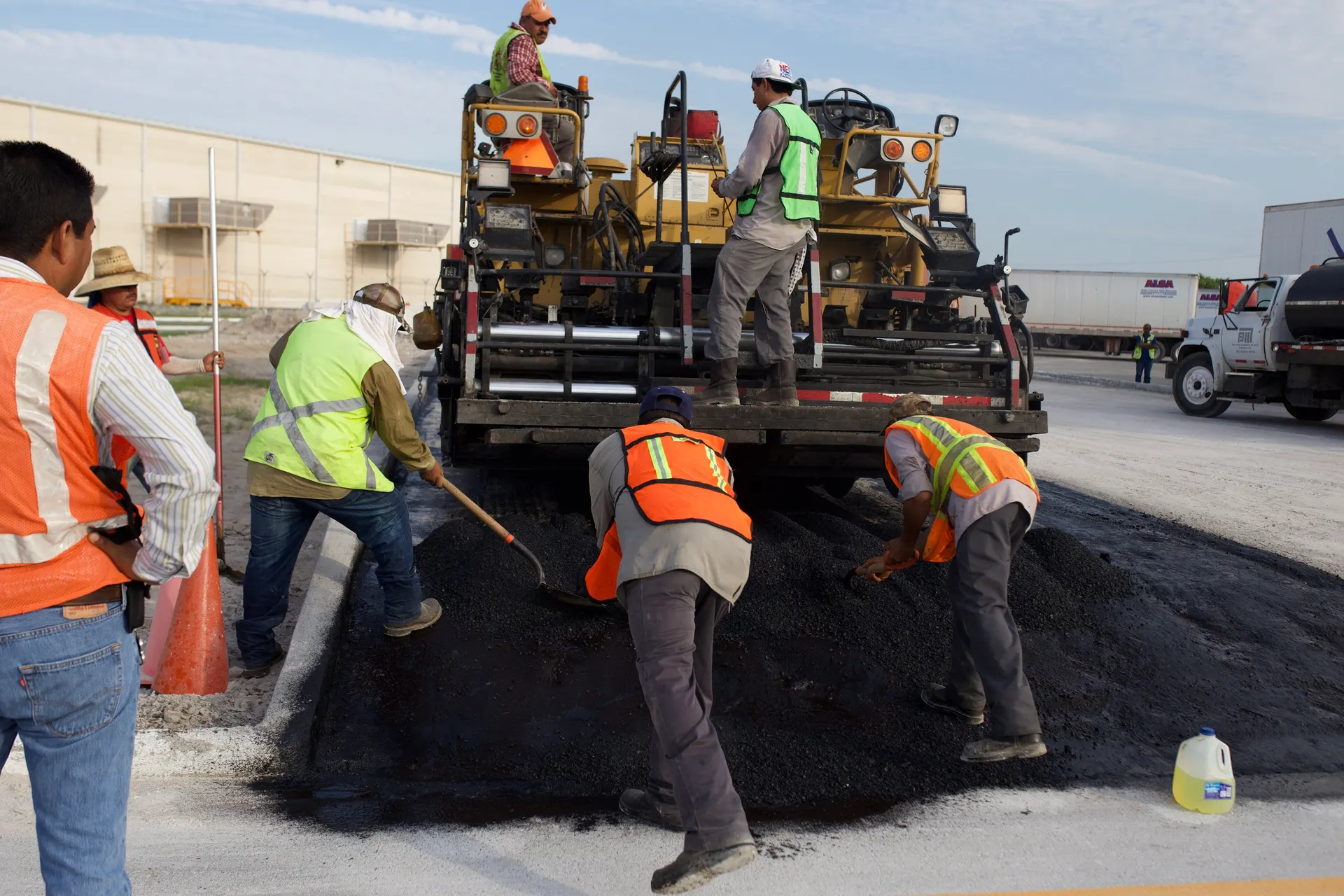
Driveways, private roads, and lots — graded to drain, built on a density-tested base, priced from a written quote. Asphalt & Paving South Fort Worth, 5000 South Fwy, Suite 102, Fort Worth, TX 76115. Call (817) 632-9447, 24 hours a day.
(817) 632-9447