Asphalt Paving · Fort Worth, TX
Pothole Repair in Fort Worth, TX
Asphalt & Paving South Fort Worth has patched, sealed, and mobilized on pothole repair across the low south side for 15 years — cold-patch for a hazard that needs closing tonight, hot-mix throw-and-roll for a permanent single-hole fix, infrared repair that welds new asphalt to the old surrounding pavement, and full commercial lot pothole programs for property managers who'd rather pay for one visit than six. Call (817) 632-9447 any hour; the crews we coordinate run Open 24 Hours.
Down here, a pothole is rarely just a hole — it's where two things met at once. The south side's low ground collects runoff that higher parts of Tarrant County shed toward Sycamore Creek and the Clear Fork Trinity, and it sits on the same expansive 'black gumbo' clay that runs under all of North Texas, shrinking and swelling several inches a season. Water pools, works down through a crack, and softens a clay subgrade that's already moving underneath it — then traffic does the rest, punching through pavement that no longer has anything solid to rest on. That's why the crew probes the base before quoting a fix, not just the size of the hole on top; the same-looking hole can be a 20-minute patch or a full-depth job depending on what's underneath.
Most single potholes get fixed in 30 minutes to 2 hours for $100 to $400, priced by depth and how far the surrounding asphalt has crumbled. Every quote is itemized and written before a bag of mix hits the ground, and the treated area carries a workmanship warranty.
When Forest Hill, Benbrook, and Crowley property owners call us for pothole repair, they're calling the crew that already knows which streets pond first after a storm — and we tell you plainly whether a patch will hold or whether the water needs fixing too.
What We Do
Our Pothole Repair Services in Fort Worth
Which method fits depends on how deep the damage runs and how fast the hole needs to close — from a same-day hazard patch to a permanent weld back into the surrounding pavement, following the same base-first check on every single hole and every commercial lot walk-through.
Cold-Patch Emergency Repair
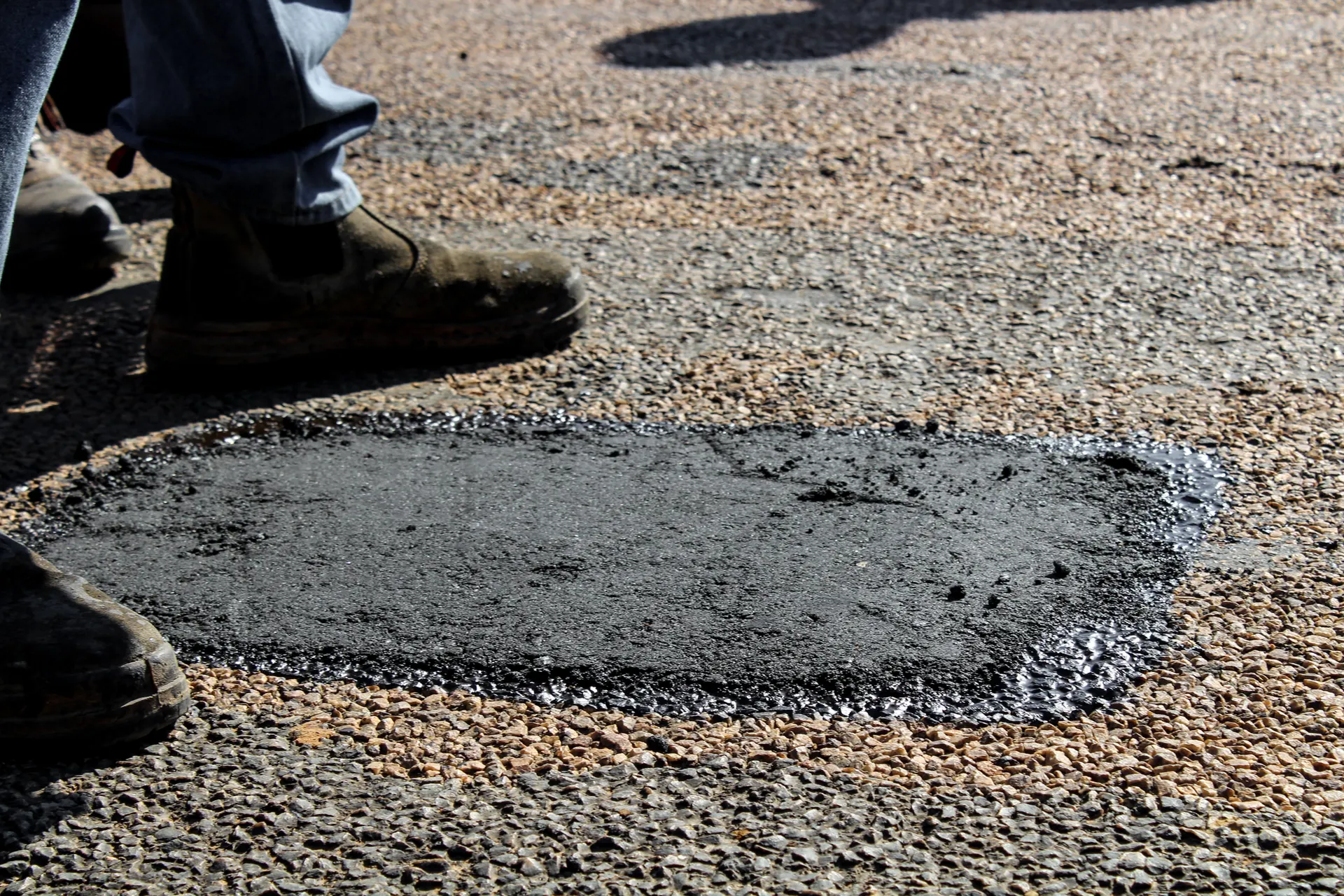
Cold-patch asphalt closes a hazardous pothole in minutes, in any weather, without needing a hot-mix plant open — the right call when a hole on a Forest Hill driveway or a Benbrook lot is a trip-and-fall or tire-damage risk that can't wait until morning. It's tamped into the cleaned-out hole and compacted by hand or with a plate, closing the hazard the same visit.
Cold-patch is a stopgap, not a permanent fix: it doesn't bond to the surrounding asphalt as tightly as heated material, so we follow it with hot-mix or infrared repair once the site allows.
Hot-Mix Throw-and-Roll & Infrared Repair
Hot-mix throw-and-roll is the standard permanent fix for most single potholes: the crew squares off the hole, tacks the edges, throws in heated mix, and compacts it with a roller or plate at $100 to $400 and 30 minutes to 2 hours per hole. Where the surrounding pavement is otherwise sound, infrared repair reheats the existing asphalt around the hole so new material welds seamlessly to old instead of leaving a cold seam.
Either method fails if the base underneath is still wet — probing the bottom of the hole first is what tells the crew which one applies.
Commercial Lot Pothole Programs
A property manager along the Chisholm Trail Parkway corridor in Crowley or a strip lot in Forest Hill rarely has just one pothole — mobilization costs the same whether the crew fixes one hole or a dozen, so we walk the whole lot, map every hole, and quote it as one written job instead of six separate service calls.
Commercial programs also flag the low spots that keep reopening, since a lot with several potholes clustered near the same drain is usually a drainage problem wearing a pothole's clothes.
The Benefits
Pothole Repair Benefits for South Fort Worth
A pothole ignored gets worse on a predictable curve, and on clay ground that ponds water, that curve is steeper here than almost anywhere else in the metro.
Stops a Cheap Fix From Becoming an Expensive One
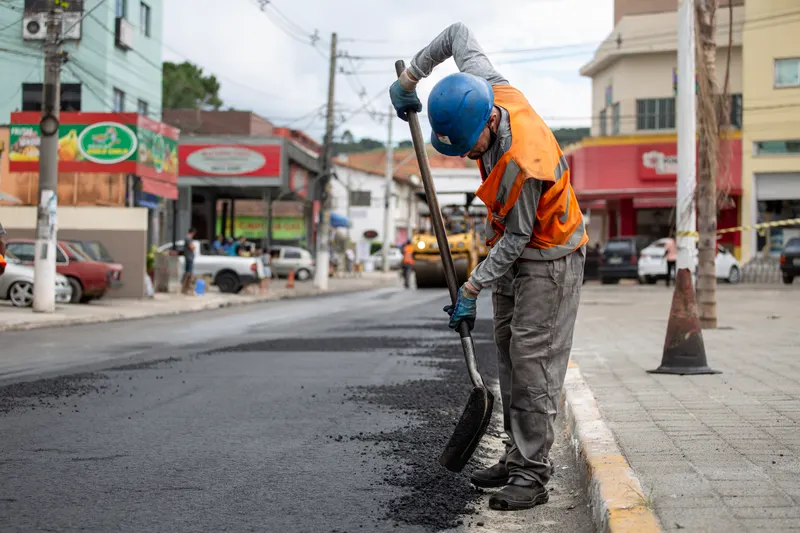
The FHWA rates preventive pavement work at more than six times more cost-effective than letting damage run to reconstruction — Michigan's DOT held its network at roughly $80 million in preventive work against an estimated $700 million to rebuild. At driveway scale, that's the difference between a $150 pothole repair now and $4-to-$8-per-square-foot full-depth reconstruction once the same water has ruined the base underneath it. The math only gets worse the longer a hole sits open, since every hard rain works more of the base loose.
Removes a Real Liability, Not Just an Eyesore
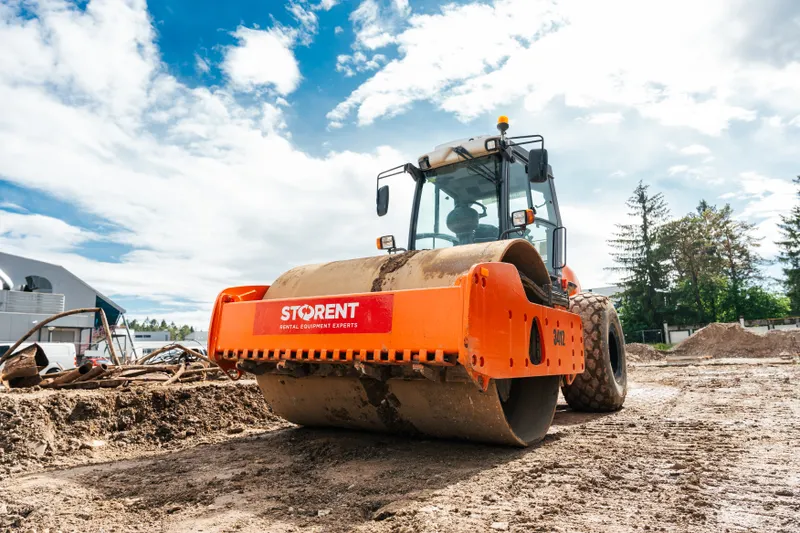
A pothole in a customer parking spot or along a walking path near a school like O.D. Wyatt High School isn't cosmetic — it's a tire, suspension, and trip-and-fall risk a property owner is exposed to every day it stays open. Closing it fast with cold-patch, then finishing with a permanent hot-mix or infrared repair, takes that exposure off the table without waiting on a bigger project. For a rental property or retail lot, that speed matters as much as the fix itself.
Buys Years Before the Base Needs Rebuilding
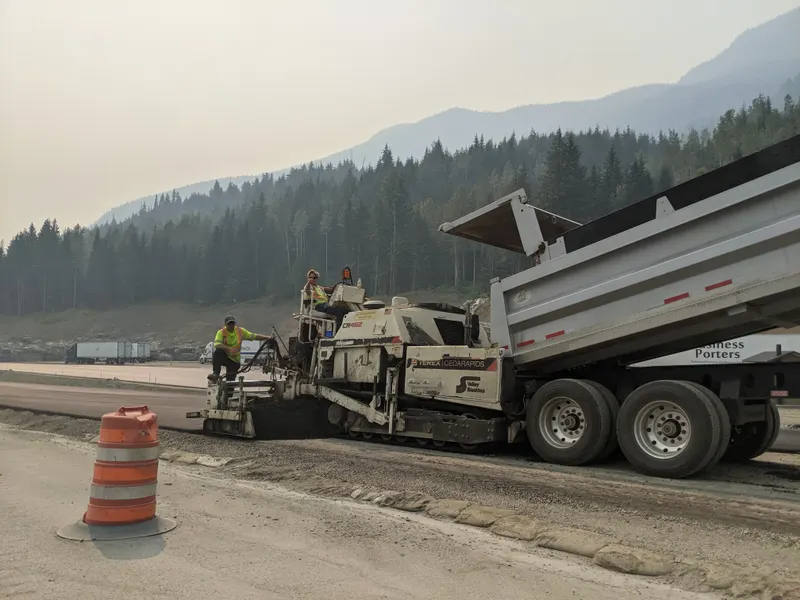
A pavement section that's still structurally sound doesn't need a tear-out — it needs the isolated failures caught and closed before water and the shifting clay underneath spread the damage sideways. Patched correctly and matched to the depth of the failure, a pothole repair holds for years rather than reopening the next wet season. That's years of driveway or lot life bought for a few hundred dollars instead of a full reconstruction bill.
Why Us
Why South Fort Worth Chooses Us for Pothole Repair
Fifteen years reading the low side of Tarrant County means we already know which spots pond first and why they keep opening.
We Match the Method to the Base
Every hole gets probed before it gets patched, because a pothole over a dry, compacted base is a quick permanent fix and the same hole over saturated clay is a different job entirely. Choosing cold-patch, hot-mix, or infrared based on what the crew actually finds underneath is what keeps a repair from reopening in the same spot two months later, instead of guessing and hoping the patch holds through the next storm.
One Written Number for the Whole Lot
Commercial pothole work gets quoted as a single itemized job covering every hole we find on the walk-through, not a per-hole invoice that grows once equipment is on-site. Property managers from Forest Hill to Crowley get one number, one mobilization, and a clear list of which holes were closed and how — no surprise line items once the crew is already there.
We Flag Drainage Before It Costs You Twice
If several potholes on a lot cluster near the same low spot or drain, that's not bad luck — it's water finding the same entry point over and over. We say so plainly and point toward grading and excavation or a longer-term fix rather than quietly repatching the same hole on every visit, because a fourth service call on one square foot helps nobody but the invoice.
A pothole that keeps reopening on the same square foot almost always means water is still getting into the base faster than a patch can hold it out — and on the south side's low, clay-heavy ground, that's the rule more than the exception. The same south Fort Worth paving crew that handles pothole repair also covers crack filling before a crack becomes a hole and the broader asphalt repair work once damage runs past isolated spots, so call (817) 632-9447 and we'll tell you honestly whether a patch will hold or the water needs fixing first — for driveways, retail lots, and everything between here and Crowley.
Frequently Asked Questions
What's the actual difference between infrared pothole repair and a regular hot-mix patch?
A standard hot-mix throw-and-roll patch fills the hole with fresh heated asphalt and compacts it, but the edge where new mix meets old pavement stays a seam water can work back into. Infrared repair uses heat to soften the existing asphalt around the hole itself, so when new mix is added it fuses to the old surface rather than sitting next to it — a tighter, more seamless bond on pavement that's otherwise sound. We use infrared when the surrounding asphalt is structurally good and reserve full hot-mix cut-and-patch for holes where the surrounding material is already crumbling.
Is cold-patch a permanent fix or just a stopgap?
Cold-patch is a stopgap, not a permanent repair. It's designed to close a hazardous hole fast — in minutes, in any weather, without a hot-mix plant needing to be open — which matters when a pothole on a driveway or commercial lot is an active tire or trip-and-fall risk. Because it doesn't bond as tightly to the surrounding pavement as heated material, we follow it with a permanent hot-mix or infrared repair once conditions allow, usually within days rather than weeks.
How many potholes does a typical commercial lot need fixed at once?
It varies widely, but rarely just one — once water finds an entry point on a low-lying south-side lot, the same conditions that opened the first hole usually open two or three more nearby. Mobilization costs the crew the same whether they fix one pothole or a dozen, so commercial properties get a full walk-through and a single itemized quote covering every hole found, rather than separate service calls billed one at a time. Lots along the Chisholm Trail Parkway corridor and other south Tarrant commercial strips typically see this bundled into one visit, and the same walk-through flags any low spot that's likely to open a new hole before the next lease renews.
Why do potholes keep coming back in the exact same spot on my property?
Two things stack against pavement here: standing water that collects on the south side's low ground, and the shrink-swell clay subgrade underneath that moves several inches seasonally as it wets and dries. A patch placed over a base that's still saturated or still shifting doesn't fix either cause, so the same spot reopens after the next hard rain. When a hole keeps returning, the honest fix usually isn't a better patch — it's correcting the grade so water stops pooling there in the first place.
Does cold weather or rain stop you from repairing a pothole?
Rain and cold slow permanent repair more than they stop it. Hot-mix asphalt compacts best above roughly 50°F and doesn't bond well into a hole that's still full of water, so a genuinely wet or freezing site often gets a same-day cold-patch to close the hazard, with the permanent hot-mix or infrared repair scheduled for the next dry, warmer window. That's a safety sequencing decision, not a delay tactic — closing the hole fast matters more than which asphalt goes in first, and it's also why we never schedule a permanent patch over standing water just to hit a calendar date.
How much does pothole repair cost in South Fort Worth?
A standard professional pothole repair runs $100 to $400 per hole and takes 30 minutes to 2 hours, priced by depth, how much surrounding asphalt has crumbled, and whether the base underneath is dry and sound or saturated. A shallow hole over a dry base sits at the low end; a hole that's spread into surrounding cracked pavement runs higher. Commercial lots with multiple holes are quoted as one written job rather than priced per pothole, since the mobilization cost is fixed regardless of hole count.
Can I just fill a pothole myself with a bag of cold-patch from the hardware store?
You can close a hole temporarily that way, and for a genuine safety hazard that's a reasonable stopgap until a crew arrives. It won't hold the way a professionally compacted repair does, though — hand-tamped bagged cold-patch bonds poorly to the surrounding pavement and typically pops back out under vehicle traffic within weeks, especially on a driveway or lot that already has water getting into the base. If the hole is on a shared driveway, a rental property, or a commercial lot, a repair that reopens in a month usually costs more in repeat trips than doing it right once.
Is there a warranty on pothole repair work?
Yes — the treated area carries a workmanship warranty, typically covering the patch for roughly a year against premature failure from normal wear. That warranty doesn't cover a hole that reopens because an unaddressed drainage problem kept feeding water into the same spot, which is why we flag standing water or a low spot during the walk-through rather than quietly repatching the same hole on repeat visits. Full-depth reconstruction elsewhere on the property carries its own separate warranty terms.
Will you tell me if my lot actually needs drainage work instead of more patches?
Yes, and we'd rather say it up front than take a fourth service call on the same hole. If potholes keep clustering near the same low spot, drain, or section of a lot near Dutch Branch Park in Benbrook or a Crowley strip center off FM 1187, that pattern usually means water is pooling and getting into the base faster than patches can keep up. In that case the honest recommendation is grading or drainage correction alongside the repair, not an endless string of $150 to $400 patches on the same square foot, and we'll walk you through what the correction actually involves before you commit to it.
Do you handle pothole repair for both driveways and large commercial lots?
Yes — a single hole on a Forest Hill or Benbrook driveway and a multi-hole commercial lot along a corridor like the Chisholm Trail Parkway get the same diagnostic approach, just different scale. Residential work is usually one or two holes fixed in a single visit for $100 to $400 each; commercial lots get a full walk-through, a hole count, and one itemized quote covering the whole property. Either way, the crew probes the base under every hole before deciding whether cold-patch, hot-mix, or infrared repair is the right call.
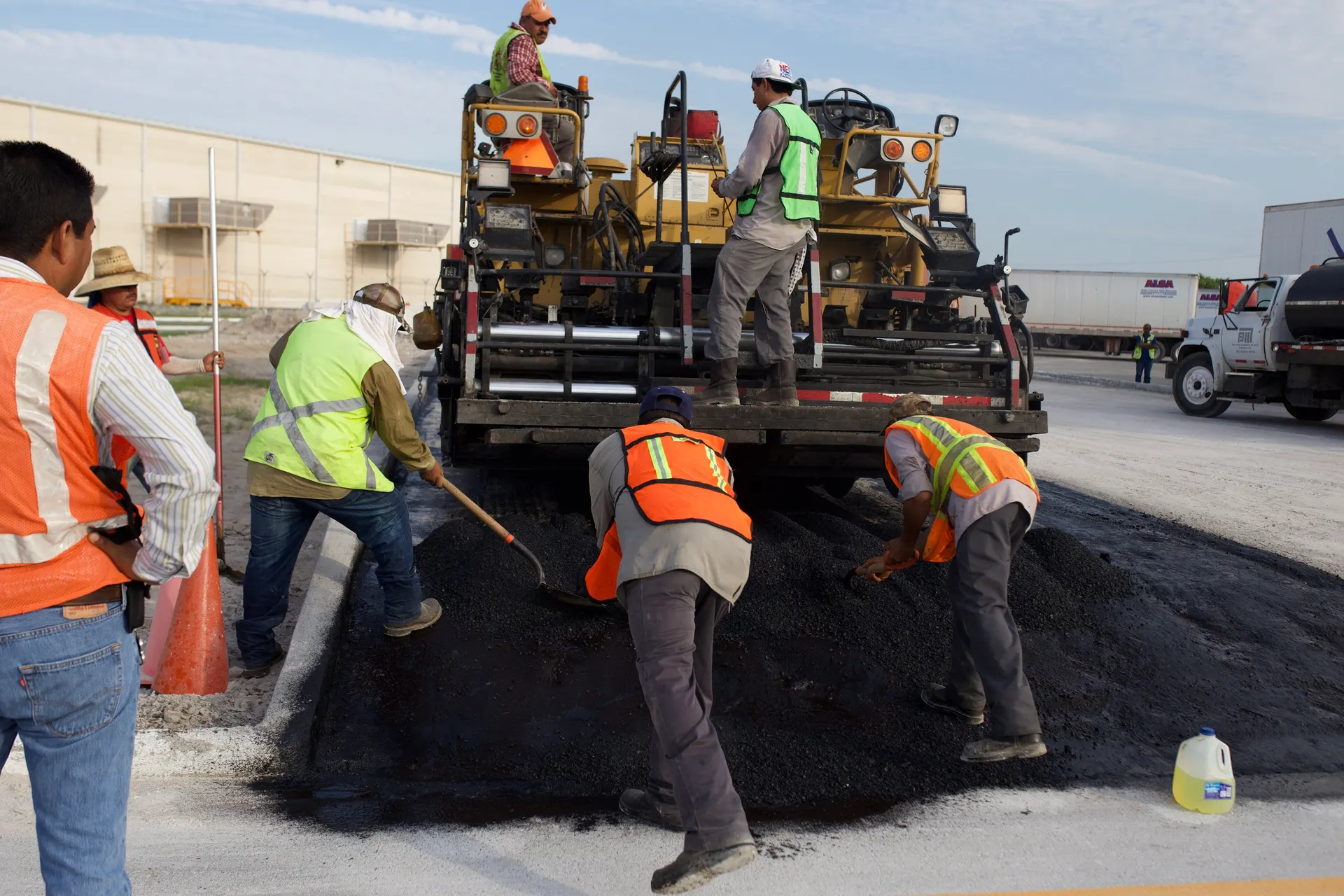
Close the Hazard, Fix It Right
Cold-patch, hot-mix, infrared repair, and one-visit commercial lot programs. Call (817) 632-9447 — Open 24 Hours.
(817) 632-9447