Asphalt Paving · Fort Worth, TX
Asphalt Resurfacing & Overlay in Fort Worth, TX
Asphalt & Paving South Fort Worth coordinates resurfacing for driveways and lots along the I-35W South Freeway corridor, and every resurfacing call starts with one question before a dollar gets quoted: is the base still good? Call (817) 632-9447 — most site visits turn into a written, itemized scope inside a day.
Resurfacing is a judgment call about the base and the water on it, not a product we sell by default. From Forest Hill to Everman, Benbrook, and Crowley, the low south side drains toward the Clear Fork Trinity, Sycamore Creek, and Benbrook Lake, and much of the pavement here sits near that floodplain drainage. Where water has already softened the base, an overlay just paves over the problem — it reflects straight back up through the new mat within a season.
So we check three things first: the base (firm, or flexing and pumping under load), whether the surface drains or ponds, and the elevation at aprons, curbs, and inlets, where a thicker surface changes where water goes. Only when the base is sound and water leaves the way it should is an overlay the honest fix.
When it is, the mechanics are simple — mill or clean the surface, tack-coat so the new mat bonds, lay a 1 to 1.5-inch overlay, and re-establish slope. When it isn't, a driveway near McCart Avenue or a lot off Sycamore School Road may need targeted repair or full-depth paving instead — and we say so upfront.
What We Do
How We Resurface Asphalt in South Fort Worth
Every option below starts from the same base-and-drainage check. What we recommend follows what that check finds — not which job is easiest to sell.
Mill & Overlay
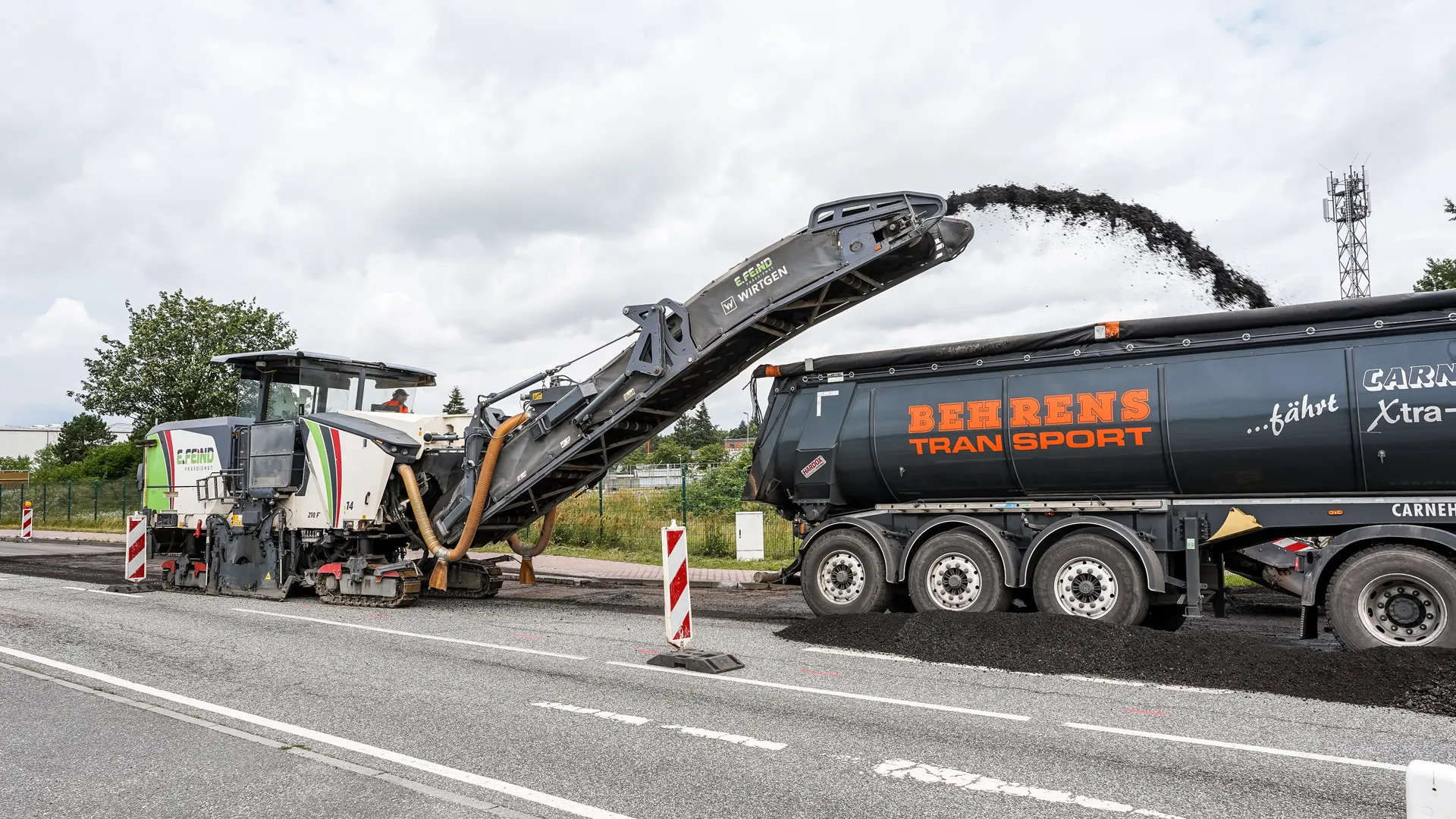
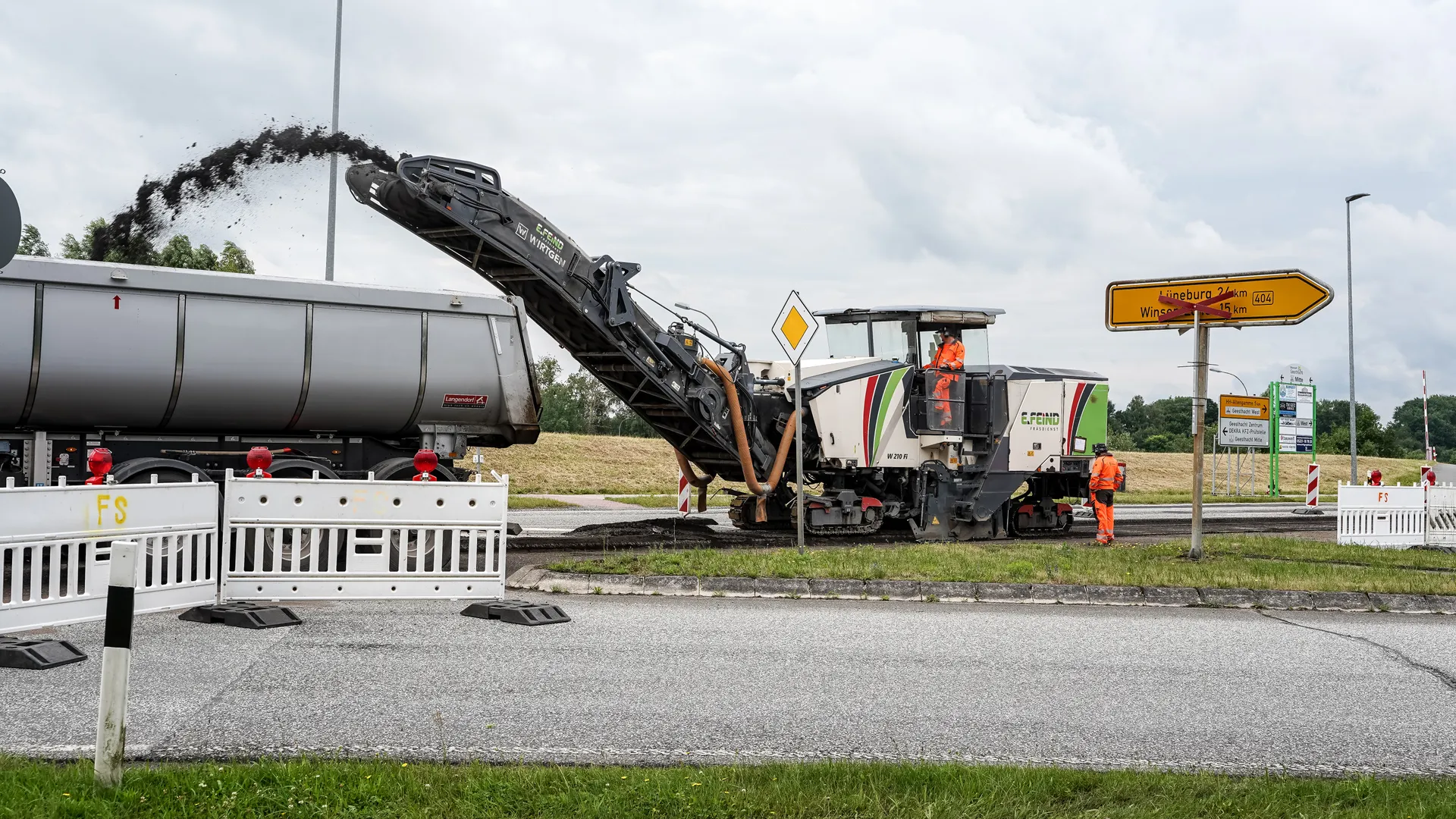
Milling grinds off the top 1 to 2 inches of tired, rutted asphalt before a fresh wearing course goes down — usually 1 to 3 days on a driveway or lot, with the milling itself running half a day to two days. The point of milling first is elevation: it lets the new surface finish level with the garage slab, curb, and inlets instead of building height and pushing water somewhere new.
We recommend it when a surface near Sycamore School Road shows rutting or moderate cracking but the base is still firm and draining — which we confirm before quoting.
Thin Overlay (No Milling)
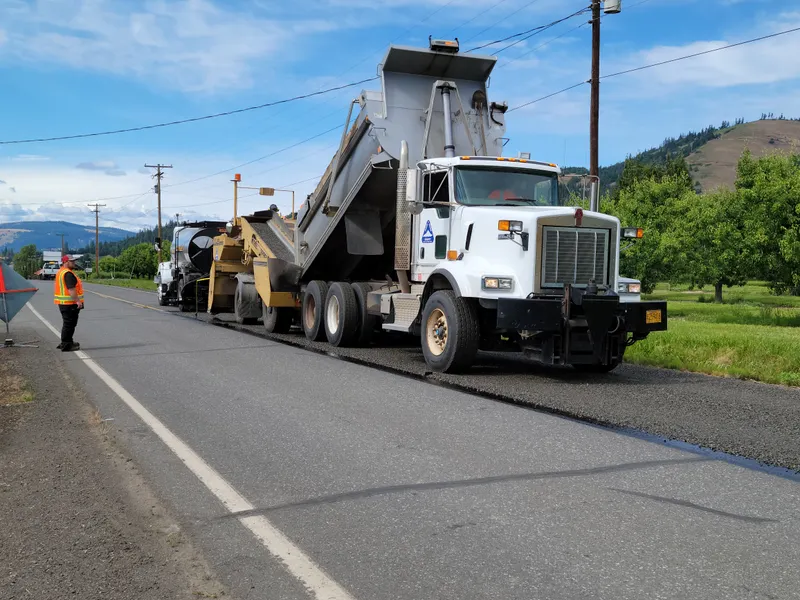
Where the surface has light-to-moderate wear, no real rutting, and clearance to spare, we can skip milling and lay a 1 to 1.5-inch overlay over the cleaned, patched, tack-coated mat. It's the quicker, lower-cost route — the $1.50 to $4.50 per square foot resurfacing band versus $4 to $8 for a full tear-out.
The catch: a no-mill overlay raises the finished grade by its full thickness, and on the low south side that inch can decide whether water runs off or ponds at a McCart Avenue apron — so we measure clearance at aprons, curbs, and inlets before recommending it.
Slope & Drainage Correction
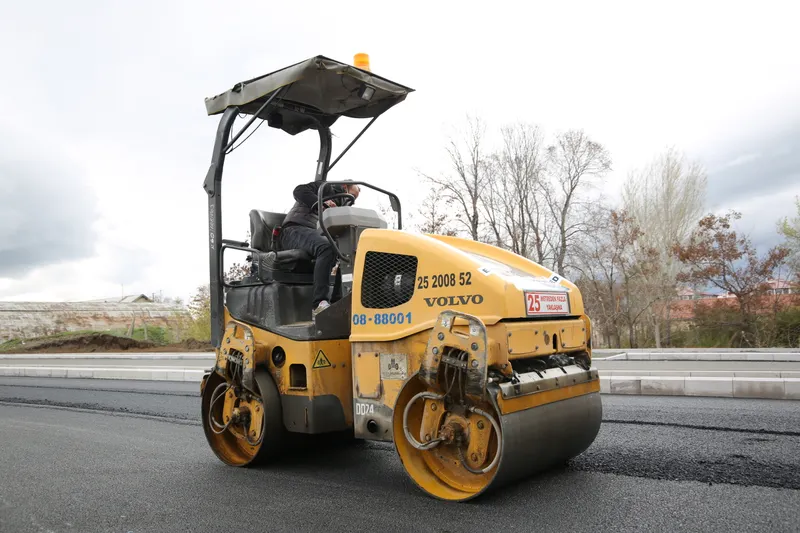
An overlay that ignores where water goes just relocates the problem — and near Benbrook Lake and the Sycamore Creek basin, standing water is what softens a base to begin with. So we re-establish cross-slope as part of the overlay, feathering the new mat down at every slab, curb, and inlet so the surface sheds water where it should leave.
On commercial lots off the I-35W South Freeway service roads, that slope work also protects ADA-accessible thresholds and drive aisles, where a raised edge becomes a ponding point and a trip hazard.
The Benefits
Why an Overlay Beats a Tear-Out — When the Base Earns It
Resurfacing at the right moment is the smarter money. The whole advantage depends on starting from a sound base — which is why we check before we sell it.
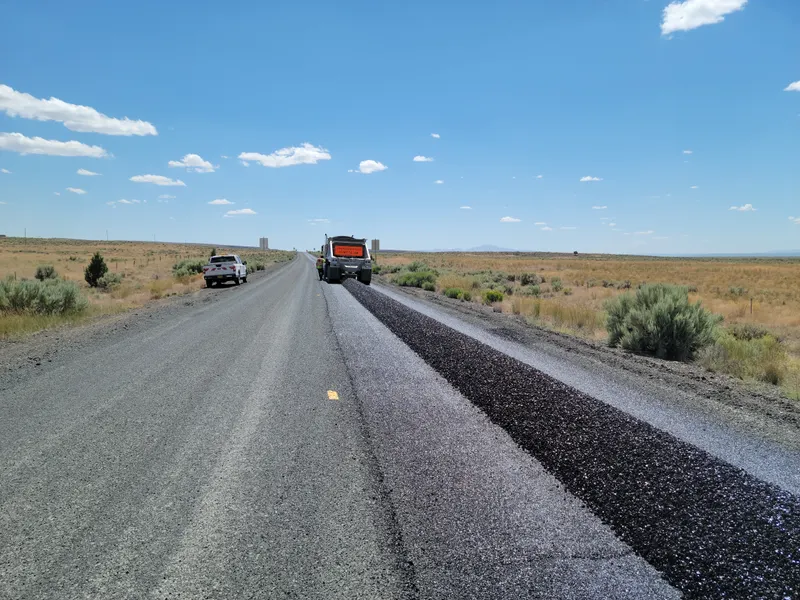
Roughly Half the Cost of Full Replacement
Overlay and resurfacing work runs $1.50 to $4.50 per square foot installed, against $4 to $8 for full-depth removal and replacement on the same footprint — about half the cost or less when the base still carries load. You pay for a new surface, not for excavation, hauled-off spoil, new base stone, and re-compaction.
On a mid-size Crowley or Benbrook lot that gap runs into the tens of thousands, which is why we won't quote a tear-out until we've confirmed the base doesn't qualify for an overlay.
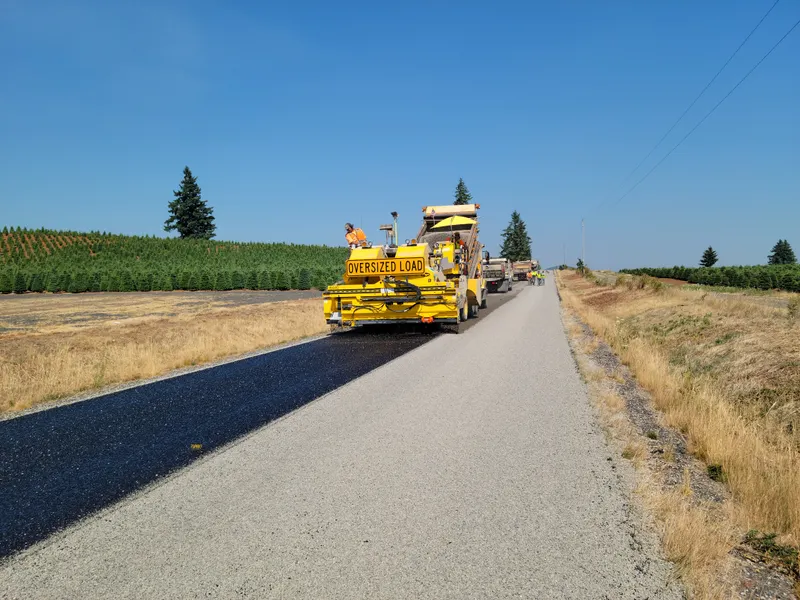
The Old Surface Gets Recycled, Not Landfilled
The material milled off your surface doesn't go to a dump — it becomes reclaimed asphalt pavement (RAP), crushed and blended back into new mix. Asphalt is the most-recycled material in the country, reclaimed at near-100 percent, so a mill-and-overlay keeps that top layer in the loop.
That helps cost as well as waste: reusing the old surface is part of what keeps resurfacing well under the price of tearing out and importing all-new material for the full section.
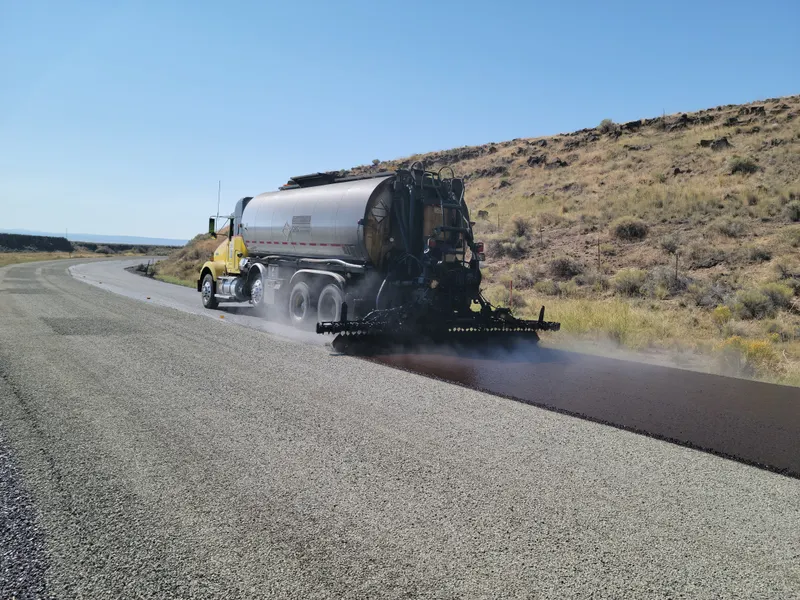
Buys Real Years — From the Right Starting Point
Refreshing a worn surface over a sound base resets the clock on UV oxidation without touching the structural layers, and following Asphalt Institute and Superpave practice keeps the new mat bonded and dense so it lasts. In that window, an overlay carries a driveway or lot for years at a fraction of a rebuild's price.
Miss it — let water into the base until it flexes and alligator-cracks — and the option closes. Then it's asphalt repair or a full asphalt paving rebuild, because no surface layer fixes a base the water took.
Why Us
Why South Fort Worth Trusts Our Resurfacing Calls
On south-side driveways and lots the base decides which overlays last and which are money paved over a problem — so the base is where we start.
We Diagnose the Base and Drainage Before We Quote
The cheap quote is always the overlay, so plenty of contractors quote it on every call. We check the base first — whether it flexes underfoot, whether the surface ponds, whether water leaves the way it should. If the base has gone soft near Sycamore Creek or inside the Benbrook Lake drainage, we point you to asphalt repair or replacement instead of an overlay that reflect-cracks by next summer.
Written Itemized Quotes, Standards-Built Work
Every job comes with a written, itemized scope before equipment arrives — milling, tack coat, overlay thickness, slope correction, and cure, line-itemed so you see what you're paying for. The work follows TxDOT specifications and Asphalt Institute and Superpave methods for mix, bonding, and compaction, and we're reachable 24 hours a day at (817) 632-9447 when a lot problem can't wait for business hours.
We Know How the Low South Side Drains
Forest Hill, Everman, and the Crowley subdivisions each sit at their own elevation relative to the Clear Fork Trinity and the creek basins, and that decides whether a driveway sheds water or collects it. Across 76115, 76119, 76133, and 76140, one site visit usually tells us whether your driveway or lot is a real overlay candidate — or past saving.
Still deciding whether your surface needs resurfacing or something more targeted? See how asphalt repair handles isolated potholes and cracking, or what asphalt paving involves once the base has failed. The same South Fort Worth paving crew handles parking lot paving & striping once your new overlay has cured.
Frequently Asked Questions
Overlay or full replacement — how do you actually decide?
It comes down to the base, not the way the surface looks. If the base is firm, drains, and doesn't flex or pump under load, a mill-and-overlay or thin overlay at $1.50 to $4.50 per square foot will hold. If the base has softened — usually from water — no surface layer fixes that, and it's full-depth replacement at $4 to $8 per square foot instead. On the low south side a base near the creek or lake basins can look fine on top while it's failing underneath, so we confirm it on-site before quoting.
Will the old cracks just reflect back through a new overlay?
They can, and preventing that is exactly why we check the base first. Cracks reflect through when the movement that caused them is still active underneath — a base that flexes, or water still working under a joint — so the new mat gets pulled apart from below within a season or two. Where there's real risk we can mill deeper, patch the failed section first, or over concrete add a fabric interlayer — and if the movement is too active, we'll tell you an overlay is the wrong tool.
How much does an inch of overlay raise the grade, and does it matter here?
A no-mill overlay raises the finished surface by its full thickness — a 1 to 1.5-inch overlay lifts the grade 1 to 1.5 inches everywhere it goes. On the low, flat parts of the south side that inch matters, because it changes whether water runs toward an inlet or ponds against an apron or curb. That's why we measure clearance at aprons, sidewalks, and inlets first, and why we mill instead when the grade can't afford the lift — getting it wrong is how a fresh overlay creates a new drainage problem the day it's laid.
How long does an asphalt overlay last?
On a sound, draining base, a properly bonded and compacted overlay generally performs on the same timeline as new asphalt — the surface takes the wear while the structural layers keep carrying load. What shortens that life is almost always the base or the water, not the overlay itself: a mat laid over a base that's still moving fails early no matter how well it's paved. Plan on 3 to 7 days before regular traffic, with full hardening over the months after. Routine sealcoating every couple of years then protects the surface from the UV oxidation that aged the last one.
Can you overlay asphalt directly over a concrete surface?
Yes, but concrete needs different handling than asphalt-over-asphalt. Concrete has joints, and those joints move — so an asphalt overlay laid straight over them tends to reflect-crack right along each joint line within a year or two. To control that we add a bonding layer or fabric interlayer between the concrete and the new asphalt, which absorbs some of that joint movement instead of passing it straight up.
How do you tell whether the base is still good before you quote?
We read it from the surface and from how it behaves under load. Shallow rutting, raveling, graying oxidation, and hairline-to-moderate cracking over a firm base say it's intact and an overlay will hold. Widespread alligator cracking, potholes that keep reopening, ponding water, or a surface that flexes or feels spongy point to a failing base — where a core sample settles any doubt.
What does asphalt resurfacing cost in South Fort Worth?
Overlay and resurfacing work runs $1.50 to $4.50 per square foot installed, with milling adding roughly $0.30 to $1.50 per square foot when the scope calls for it — comfortably under the $4 to $8 of full-depth removal and replacement. What changes the number most is the base finding — a sound base keeps you in the overlay band, a failed one moves the job to replacement. We quote a fixed, written, itemized figure after the site visit, not over the phone.
How long does the work take, and when can I drive on it?
A driveway or small-lot thin overlay or resurfacing typically runs 1 to 3 days on-site, with milling adding about half a day to two days when it's part of the scope. After paving and compaction, plan on 3 to 7 days before regular vehicle traffic, and longer if temperatures fall below 50°F while it cures. The surface keeps hardening for months afterward, which is why we wait 30 days on a commercial lot and up to 90 on a residential driveway before recommending the first sealcoating, so the sealer bonds instead of trapping moisture.
What is milling, and where does the ground-off asphalt go?
Milling uses a rotating-drum machine to grind off the top 1 to 2 inches of worn asphalt before the new wearing course is laid, and it's what keeps the finished surface level with curbs, slabs, and inlets instead of stacking height. The ground-off material doesn't get thrown away — it becomes reclaimed asphalt pavement (RAP), crushed back into new mix. Asphalt is the most-recycled material in the country, reclaimed at close to 100 percent, so milling recovers your old surface instead of landfilling it.
What's a tack coat, and why does it decide whether an overlay holds?
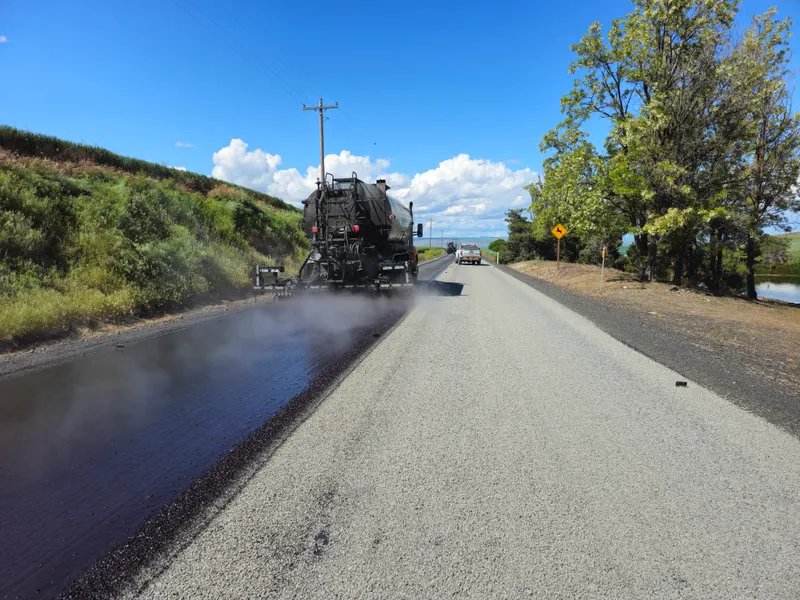
A tack coat is a thin spray of asphalt emulsion applied to the milled or cleaned surface right before the new mat goes down, and its whole job is bonding the new layer to the one beneath it. Skip it or apply it unevenly and the overlay can slip, shove, or delaminate under turning loads — worst in Texas summer heat, when the asphalt softens and shear stress at that bond line peaks. Asphalt Institute and Superpave practice both treat that bond as non-negotiable.
My driveway holds water after it rains — can an overlay fix that?
Sometimes, but only as part of correcting the slope, not by simply adding a layer. Standing water usually means the surface no longer sheds toward where water should leave, and on the low south side that ponding is often what's threatening the base to begin with. If the base is still sound, we re-establish cross-slope during the overlay, feathering the new mat so it drains toward inlets and off the aprons. If the water has already softened the base, an overlay won't fix it — that's a case for asphalt repair or replacement with the grade rebuilt.
Find Out If an Overlay Will Actually Hold
We check the base and drainage first, then quote a written number. Call (817) 632-9447 — Open 24 Hours.
(817) 632-9447