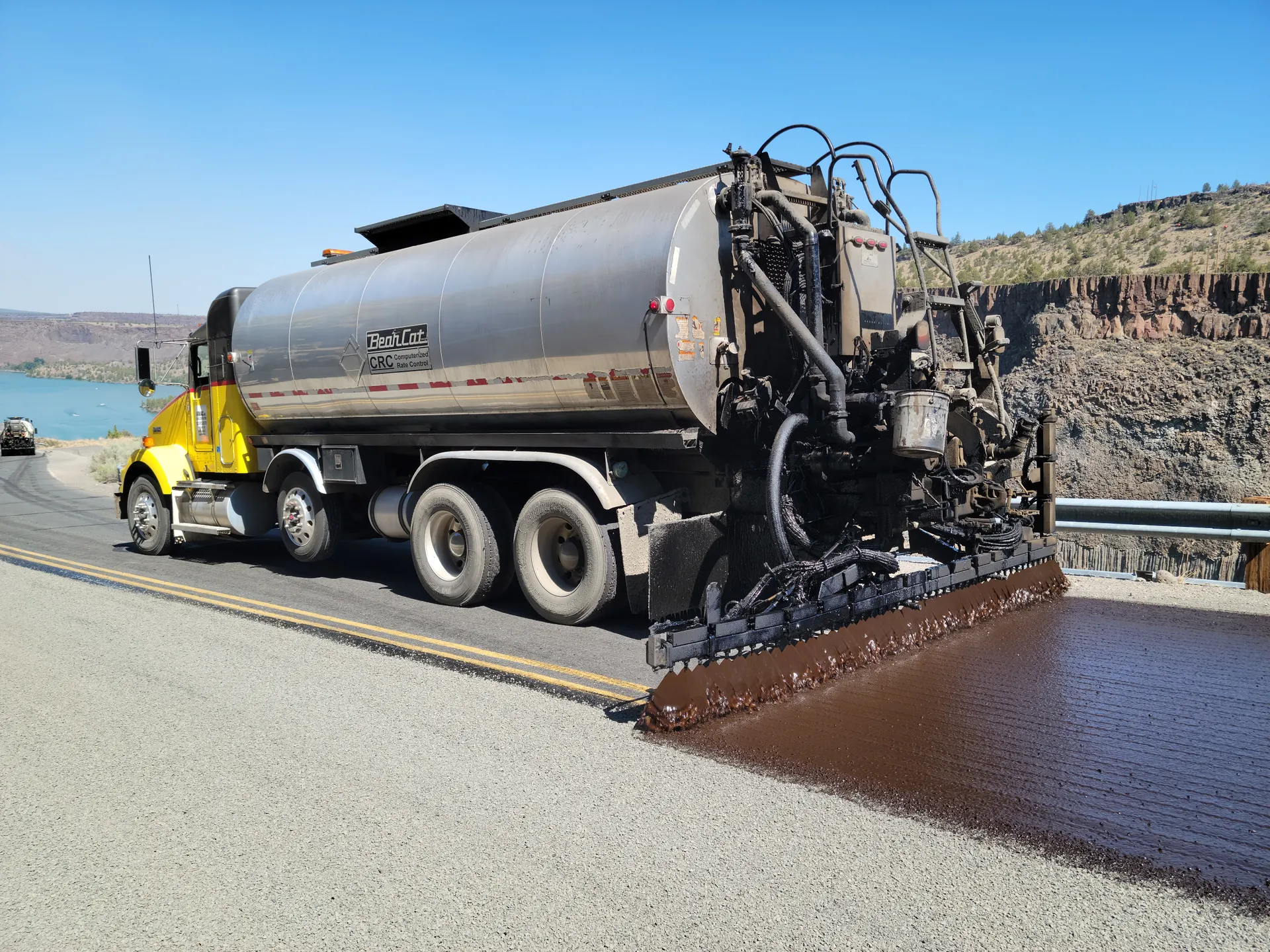
Asphalt Paving · Fort Worth, TX
Sealcoating in South Fort Worth, TX
Owning asphalt is a cost-of-ownership problem before it's a paving problem, and the cheapest line item on that ledger is the seal coat — a few hundred dollars every couple of years standing between a sound surface and a four- or five-figure rebuild. Asphalt & Paving South Fort Worth coordinates driveway sealcoating, parking lot sealcoating, crack filling, and coal-tar and asphalt-emulsion sealer application across Forest Hill, Benbrook, Crowley, and Everman, and we're Open 24 Hours so the schedule bends around your property.
This page is about maintenance, not repair. A seal coat is a thin protective film that goes over asphalt that's still structurally sound — it isn't built to fill a pothole, rebuild a failing base, or save a lot that's already cracked through. If that's your situation, our asphalt repair and asphalt resurfacing pages cover it; what follows is the economics of protecting pavement that hasn't failed yet.
Down here on the low south side — ground draining toward the Clear Fork Trinity, Sycamore Creek, and the Benbrook Lake and Trinity floodplain — water is the recurring threat to a paved surface, and sealcoat is the cheapest defense against it. The sun oxidizes the asphalt binder from above; the moment a hairline crack opens, water finds its way in and the surface comes apart from the inside. Seal plus crack fill is the routine step that keeps water out between the bigger jobs, and doing it on cadence is what separates a driveway you reseal from one you replace.
We run the work in the order that holds up: crack fill first to ASTM D6690, sealer second, never reversed — and you get a written, itemized quote before anyone shows up.
What We Do
Our Sealcoating Services in South Fort Worth
A quiet driveway off Sycamore School Road and a commercial lot fronting McCart Avenue don't carry the same replacement cost, so method, material, and cadence get matched to how much surface you're protecting and how hard it gets used.
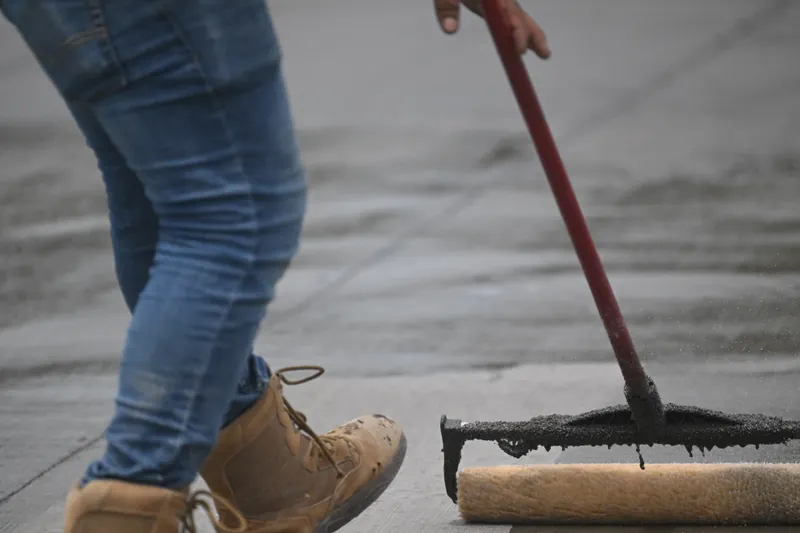
Driveway Sealcoating
A residential driveway seal runs $0.15 to $0.30 per square foot — roughly $400 to $800 all in — and the application takes 2 to 4 hours once the surface is cleaned, cracks are filled, and edges are taped. It's the lowest-cost thing you can do to add years to a driveway, and we schedule it around a dry, warm window so the coat cures clean.
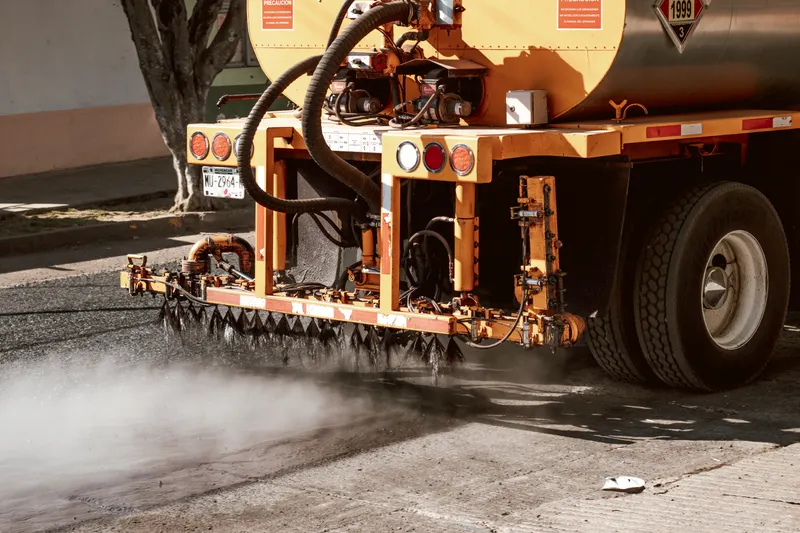
Parking Lot Sealcoating
Commercial lots run $0.15 to $0.50 per square foot depending on footage, obstacles, and sealer type, and a small-to-mid lot usually takes 1 to 2 days once prep, application, and cure time are accounted for. A closed lot means lost parking, so we phase the work in sections where the layout allows and, since we're Open 24 Hours, can run it overnight.
Once the sealer has fully cured we handle re-striping through our parking lot paving service.
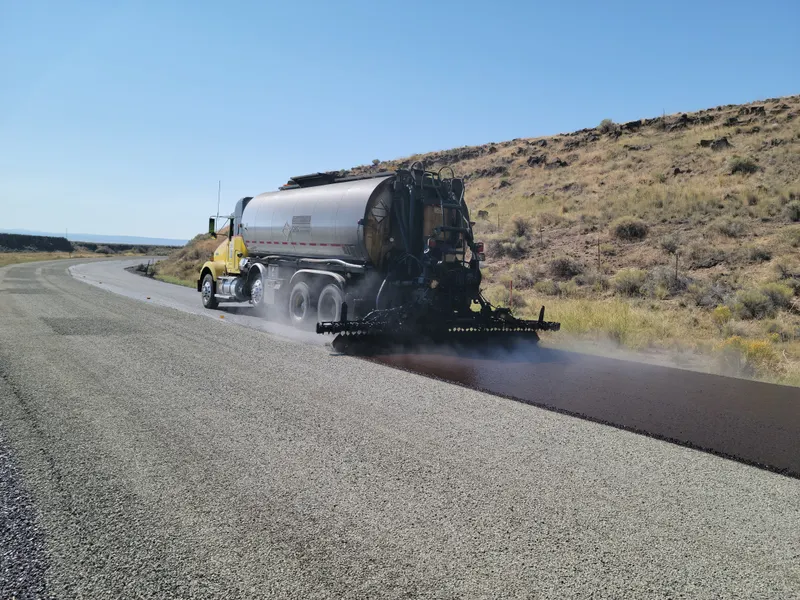
Coal-Tar vs. Asphalt-Emulsion Sealer Application
Coal-tar sealer resists oil, gas, and fluid drips better, which makes it the default for commercial lots and shops with vehicles parked or idling daily. Asphalt-emulsion runs lower-VOC, cures faster, and is the common pick for driveways or anywhere local rules limit coal-tar products.
The Benefits
Why Sealcoating Is the Cheapest Way to Own Asphalt in South Fort Worth
A seal coat looks cosmetic from the curb, but on the ownership ledger it's the line item that keeps sun and water out of asphalt that would otherwise break down from the inside within a few Texas summers.
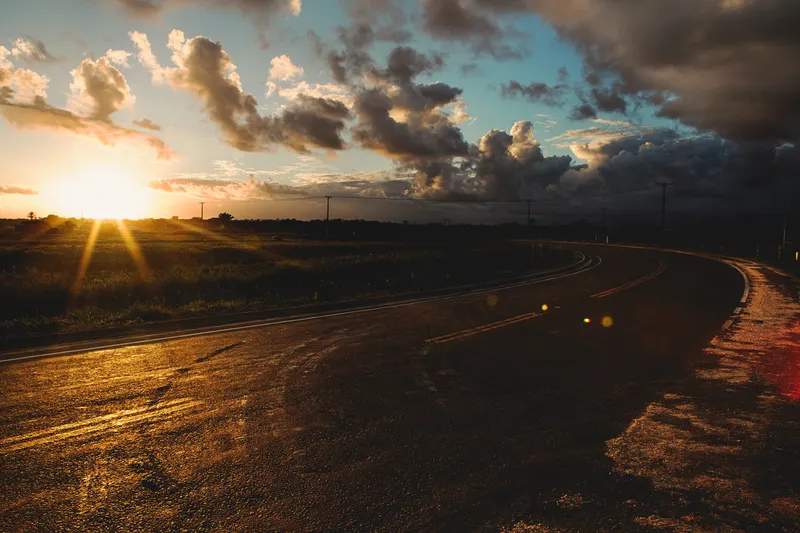
Sun Oxidizes the Binder From Above
Unsealed asphalt binder oxidizes under direct Texas sun and high pavement-surface temperatures, losing the oils that keep it flexible until the surface goes gray, brittle, and starts raveling aggregate off the top. Fresh sealer absorbs that UV exposure instead of the binder underneath.
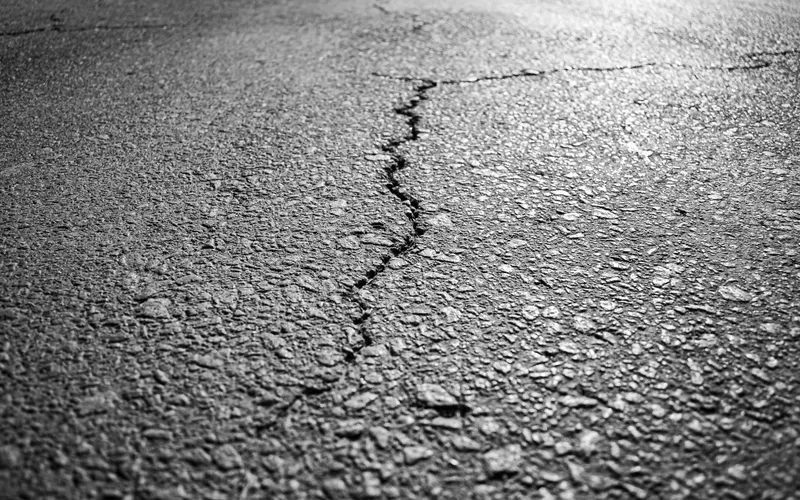
Water Is the Expensive Enemy, and Seal Keeps It Out
The moment a hairline crack opens in bare asphalt, water follows it straight down into the base — and on the low ground draining toward the Clear Fork Trinity and Sycamore Creek, that water is always looking for a way in. Filling cracks and sealing the surface closes off that path, so a sealed driveway or lot sheds water instead of soaking it up.
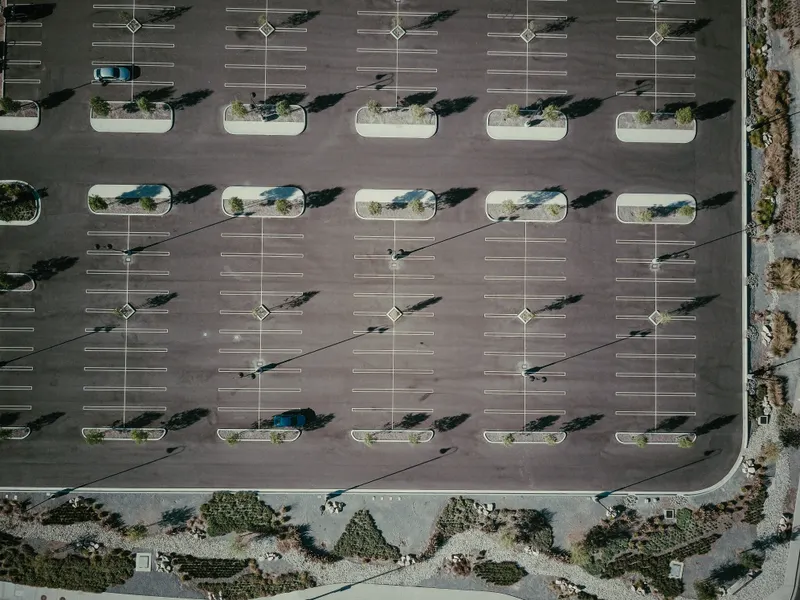
The Cheapest Step on the Ownership Ledger
Pavement preservation at the right time runs more than six times as cost-effective as letting a surface fail into full rehabilitation — Michigan DOT reached its target network condition for about $80 million in preventive work versus an estimated $700 million to rebuild. A routine seal coat is a few hundred dollars; a surface left until it's alligator-cracked is looking at asphalt resurfacing at many times that — sealing on cadence is simply the cheapest way to own asphalt.
Why Us
Why South Fort Worth Property Owners Choose Us for Sealcoating
Coordinating pavement maintenance from the I-35W South Freeway corridor out to Benbrook and Crowley, we treat sealcoating as the cost-control step it is — right cadence, right order, and never sold as a fix for damage it can't touch.
Crack Fill First, to ASTM D6690
Sealer poured over an open crack traps water underneath instead of keeping it out, which makes the crack worse, not better. Every job starts with the crews we coordinate routing and filling cracks — hot-pour to ASTM D6690 on the bigger ones, patching the alligatored spots — before a single coat of sealer goes down.
Written, Itemized Quotes — the Price of Protection Up Front
You see the crack-fill line separately from the seal, the square footage, and the material before anyone starts, so the cost of protecting your pavement is on paper before you commit, with no day-of surprises and no vague per-visit number.
Honest Cadence and 'Don't Seal Too Early' Advice
New asphalt has to finish curing before it can be sealed — up to about 90 days on a residential driveway — and we'll tell you to wait rather than rush a coat the pavement will reject. We check the wear on the existing coat before recommending a reseal instead of pushing an annual upsell.
Sealcoating protects the surface only if crack filling and any structural repair happen first — see asphalt repair if your driveway or lot already has potholes or alligator cracking, or asphalt resurfacing if the damage is past what a coating can fix. The same South Fort Worth paving crew handles new construction on the asphalt paving page, and property managers weighing a full lot program can see how sealing fits alongside striping on the parking lot paving page.
Frequently Asked Questions
How often should I sealcoat my driveway or parking lot in South Fort Worth?
For most driveways and lots around Forest Hill, Benbrook, and Crowley, a 2- to 3-year reseal cadence keeps the surface protected without wasting money on coats it doesn't need. The right interval is driven by sun exposure and traffic, not a fixed calendar date — a shaded residential driveway with light use can stretch past three years, while a commercial lot in full sun off McCart Avenue may want it closer to two. Resealing too early is just spending without added protection, so we check the wear on the existing coat before recommending anything, aiming for the longest safe interval rather than the most frequent invoice.
What's the difference between coal-tar sealer and asphalt-emulsion sealer?
Coal-tar emulsion sealer resists oil, gasoline, and other petroleum drips better than asphalt-emulsion, which is why it's the usual pick for commercial lots and any surface with vehicles regularly parked or idling on it. Asphalt-emulsion sealer runs lower in VOCs, cures a bit faster, and is often the choice for residential driveways or areas where local rules restrict coal-tar products. Neither is universally better — it comes down to what the surface sees day to day, and the crews we coordinate run recognized material like SealMaster or GemSeal and match the product to the job.
How long do I have to wait before sealing brand-new asphalt?
New asphalt has to cure before it will take sealer, and the standard wait is roughly 90 days on a fresh residential driveway — a commercial lot's thicker, more compacted mat can sometimes seal sooner, closer to 30 days. Sealing too early traps the lighter oils that haven't finished evaporating, which can make the coat fail or discolor, so the honest answer here is often simply to wait. If we did the asphalt paving, we'll flag the earliest safe sealing date so you're not guessing.
Does sealcoating fix cracks, or do those have to be filled separately?
Sealer alone won't fix a crack — it's a thin protective film, not a structural filler, and pouring it over an open crack just seals moisture in instead of keeping water out. Every job we coordinate starts with routing and filling cracks first to ASTM D6690, hot-pour on the larger ones and patching on the alligatored spots, and only then applying sealer over the repaired surface. Skipping crack fill is the single most common reason a seal coat fails early — water getting into a crack is exactly what you're paying to prevent, so it's never treated as optional here.
How much does sealcoating cost for a driveway versus a parking lot?
A standard residential driveway typically runs $0.15 to $0.30 per square foot, roughly $400 to $800 total once crack filling and prep are included. Commercial parking lots run $0.15 to $0.50 per square foot depending on sealer type, lot size, and how many obstacles — light poles, islands, drains — the crew works around by hand, with larger open lots landing at a lower per-square-foot rate than small obstacle-heavy ones. Every quote is written and itemized so you can see the crack-fill line separately from the seal.
Is sealcoating actually worth it, or is it just an upsell?
For a driveway it's the cheapest protection you can put on the surface; for a commercial lot it's arguably a bigger win, since a larger paved asset carries a much larger replacement bill down the line. Preventive maintenance at the right time runs more than six times as cost-effective as letting pavement fail into full rehabilitation, a ratio documented at the state DOT level that scales down cleanly to a single driveway or lot. Spending a few hundred dollars every two to three years to avoid a four- or five-figure resurfacing is the same math on your property.
How long does sealcoating take, and when can I use the surface again?
Sealing a standard residential driveway takes about 2 to 4 hours once the surface is cleaned, cracks are filled, and edges are taped, while a commercial parking lot typically runs 1 to 2 days depending on size and whether a second coat is needed. The sealer needs a clear, dry weather window to cure, so we build the schedule around the forecast rather than a fixed date. We'll walk you through exactly when it's safe to walk and then drive on the surface before we start, since that window shifts with the day's temperature and humidity.
What's the difference between sealcoating and resurfacing?
Sealcoating is a thin protective coat applied over asphalt that's still structurally sound — it slows UV oxidation and keeps water out of surface cracks, but adds essentially no thickness and fixes nothing structural. Resurfacing means laying a new layer of asphalt over the existing surface to correct real wear, ruts, or widespread cracking — that's a repair-and-rebuild step, not maintenance. If your pavement is still solid underneath with only surface graying or minor cracking, sealcoating is the right and far cheaper call; if it's rutted, alligator-cracked, or uneven, our asphalt resurfacing page covers what comes next.
Will sealcoating fix potholes or cracking that's already spread?
No. Sealcoating is preventive maintenance for asphalt that hasn't failed yet — it won't fill a pothole, rebuild a broken edge, or stop alligator cracking that's already spread across a section. Those problems need actual repair first, which is why we always inspect before quoting a seal coat and route you to our asphalt repair service instead if the surface has damage a coating can't address. Sealing over structural damage just hides the problem while it keeps getting worse underneath, so you'd only be postponing a bigger bill.
What time of year is best for sealcoating in South Fort Worth?
Warm, dry stretches in spring and fall tend to be the easiest scheduling windows, since sealer needs several hours of clear weather to cure and extreme summer heat can flash-dry the material unevenly in direct afternoon sun. Summer sealing still happens routinely on the south side — it's just timed around the cooler parts of the day and a forecast without rain right after application. What we avoid is sealing right before a cold front or heavy rain, since either can ruin a coat that hasn't had time to set — near the Trinity floodplain especially, we watch the forecast so a fresh coat isn't washed out.
Which areas do you cover for sealcoating?
We coordinate driveway and parking lot sealing across the south side — Forest Hill, Benbrook, Crowley, and Everman, plus the neighborhoods along the I-35W South Freeway corridor and Sycamore School Road. That covers the 76115, 76119, 76133, and 76140 ZIP codes and the streets draining toward the Clear Fork Trinity and Sycamore Creek, where keeping water off the pavement matters most. Since we're Open 24 Hours, we can schedule a commercial lot overnight so a business never loses a day of parking — call (817) 632-9447 and we'll set a written, itemized quote around your property.
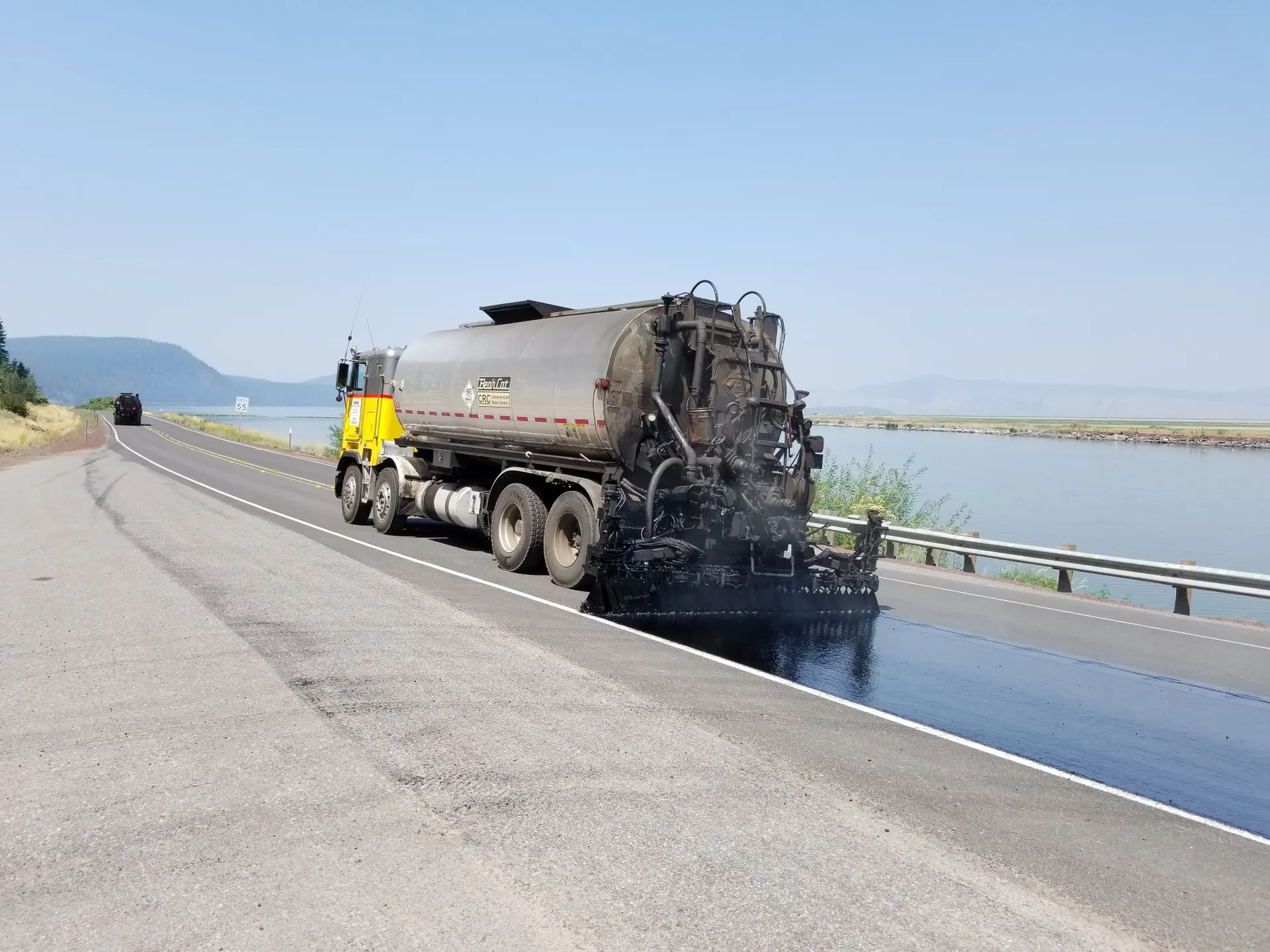
Seal Now, or Rebuild Later — the Math Is Simple
Driveway and parking lot sealcoating on an honest cadence, quoted in writing. Call (817) 632-9447.
(817) 632-9447