Asphalt Paving · Fort Worth, TX
Parking Lot Paving & Striping in Fort Worth, TX
Where a commercial lot drains decides how long it lasts, and in South Fort Worth that is the whole ballgame. Asphalt & Paving South Fort Worth grades, paves, resurfaces, and stripes retail and office lots along the I-35W South Freeway and McCart Avenue corridors — designed from the slope up so water leaves the surface instead of sitting on it. Built for the low side of Tarrant County, Open 24 Hours, written itemized quotes. Call (817) 632-9447.
South Fort Worth sits in the drainage bottom of the county. The Clear Fork Trinity and Sycamore Creek run through it, and the land tilts toward Benbrook Lake and the Trinity floodplain, so a flat commercial lot in ZIP 76115, 76119, 76133, or 76140 is trying to shed stormwater on the exact ground where it collects. Get the slope, the catch-basin tie-ins, and the surface grade right and a lot runs its full life; get them wrong and you are re-patching ponded low spots inside two seasons.
That is why every project we scope starts with where the water goes, not with the asphalt spec. We shoot the grade first, plan the fall toward inlets and existing storm tie-ins, then decide the section, mix, and stall layout on top of it. On bigger parcels near Benbrook Lake we will price a permeable-asphalt section against a conventional one — permeable pavement can infiltrate roughly 80% of the runoff that hits it, sometimes shrinking the detention an engineer would otherwise design around.
Layered on drainage are the two things that get a South Fort Worth property owner into trouble fastest: striping that no longer meets ADA Standards for Accessible Design, and work that shuts a tenant's parking for a week. We solve the first with a measured accessible-stall and access-aisle layout, and the second with phased night and weekend windows that keep a Forest Hill, Benbrook, Crowley, or Everman business open while its lot is fixed half at a time.
What We Do
Our Parking Lot Paving & Striping Services in Fort Worth
Every lot job on the south side runs through the same first question — where does the water go — then splits into what the surface actually needs, from full construction to a seal-and-restripe.
New Lot Paving, Graded to Drain
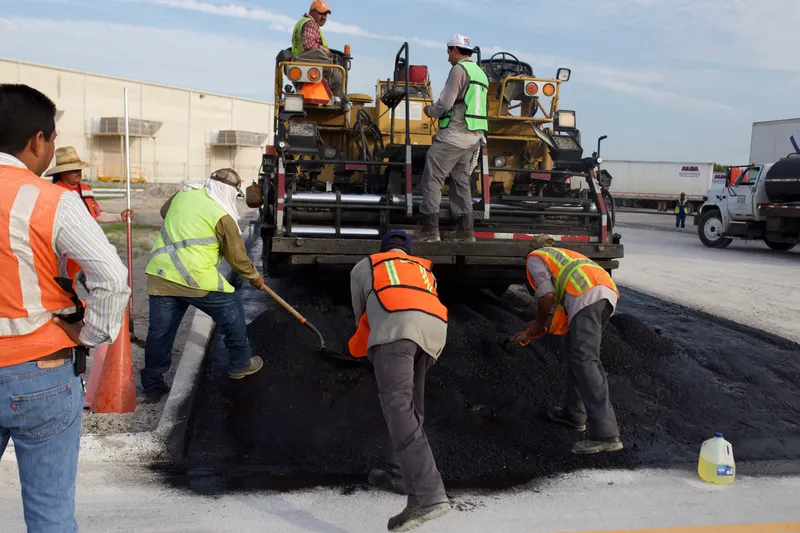
New commercial paving runs $10,000 to $150,000 depending on square footage, and on this side of the county the number that decides longevity is the grade, not the tonnage. We set the fall across the whole surface toward catch basins and storm tie-ins before a lift goes down, then build the structural section for delivery trucks and daily turning loads to TxDOT and Asphalt Institute specs.
On larger, lower-lying sites toward Benbrook Lake we will scope a permeable-asphalt alternative that infiltrates about 80% of the runoff that lands on it.
Mill-and-Overlay Resurfacing
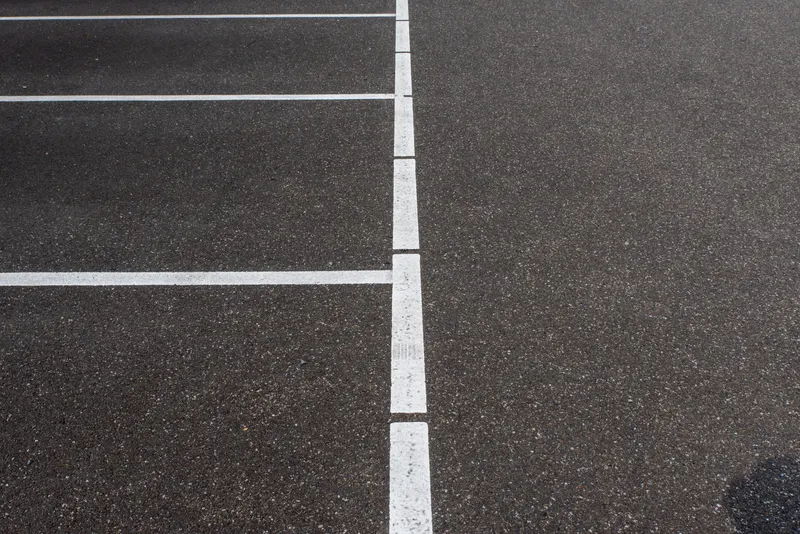
A lot that is structurally sound but rutted, raveling, or holding thin sheets of water rarely needs a teardown — a mill-and-overlay at $1.50 to $4.50 per square foot resets the surface and, done right, corrects the drainage low spots that caused the wear. We mill out the ponding areas, re-establish fall toward the inlets, and lay a fresh lift bonded to the old base, so the surface does not fail on the same low spots again.
See asphalt resurfacing for the full resurface-versus-replace breakdown.

Sealcoating, Patching & Striping
The maintenance tier keeps a good lot good: crack-fill and patch the isolated failures, sealcoat the surface at $0.15 to $0.50 per square foot to slow UV and water intrusion, then restripe stalls, arrows, and fire lanes at $0.20 to $1 per linear foot — roughly $5 to $25 per stall. Bundled on one visit it is the cheapest way to hold a lot's compliance and curb appeal.
Isolated potholes get their own scope — see asphalt repair — and we phase seal-and-stripe so the lot never fully closes.
The Benefits
Why Commercial Lot Work Pays Off in Fort Worth
On the south side the two most expensive lot mistakes are both avoidable up front: a surface that never got graded to drain, and striping that no longer meets code.
Designed to Drain, Not Just to Pave
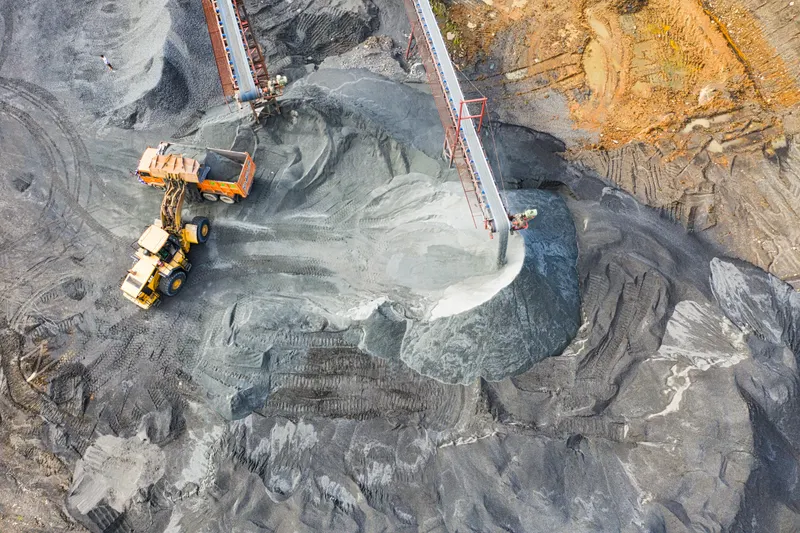
A flat lot is the hardest surface in paving to drain, and South Fort Worth hands you the worst version — low ground tilting toward the Clear Fork Trinity and Sycamore Creek, where standing water works into the subgrade and pumps potholes up through a brand-new surface. We shoot the grade first and plan the fall to inlets and catch-basin tie-ins, so stormwater leaves the lot instead of ponding on it.
ADA Striping Measured to the Standard
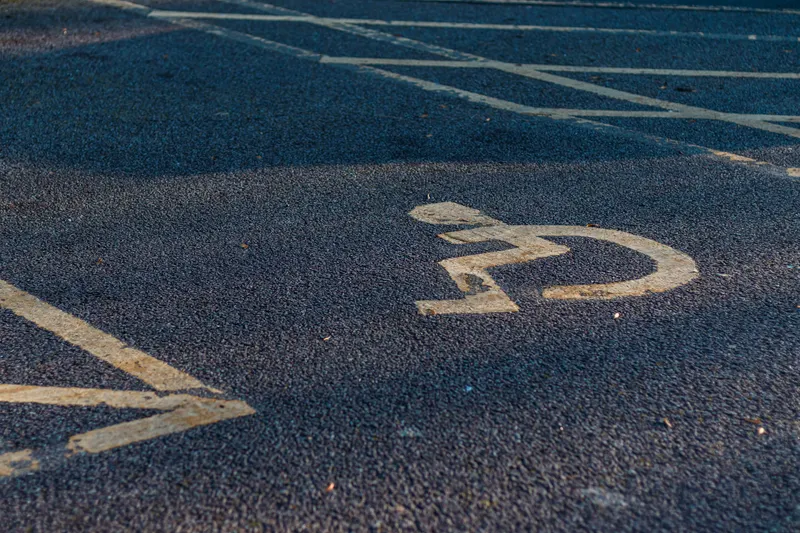
Accessible-stall count, van-accessible access-aisle width, and cross-slope on the route to the door all trace back to ADA Standards for Accessible Design — and a lot that misses any one draws a complaint, not a warning. We count the required accessible stalls against your total spaces, lay the access aisles to width, and check that the accessible route sits within the allowed cross-slope before a line gets painted, so the striping passes the first time.
Phased Work That Keeps the Lot Open
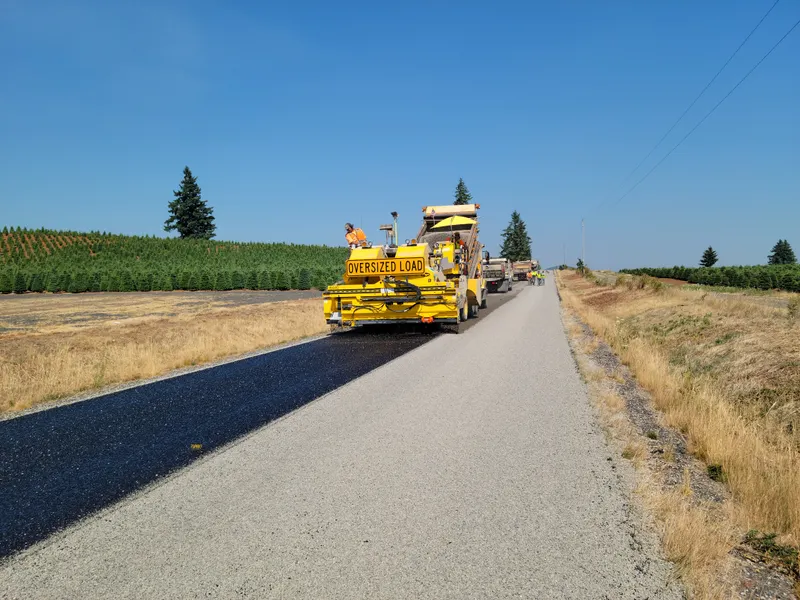
A retail or office property along the South Freeway (US-287) or McCart Avenue cannot surrender its parking for a week, so we build the schedule around staying open. Half the lot at a time, overnight pours, weekend striping windows — we sequence the work so tenants and deliveries always have a way in, and tell you which phases genuinely need a closure up front.
Why Us
Why Fort Worth Property Managers Choose Us
Across the low side of the county — Forest Hill, Benbrook, Crowley, Everman — the scope names where a lot will pond and what an ADA or fire inspector will flag before any paving starts.
Water Gets a Path Off the Lot First
We do not treat drainage as something to patch later. The grade, fall, and tie-ins to existing storm inlets get designed before the section does, because on Trinity-floodplain ground that is what separates a lot that lasts fifteen years from one that ruts and cracks on its low spots inside two. For sites that warrant it, we lay out permeable-asphalt options as a real stormwater tool.
Scheduled So Your Doors Stay Open
Occupied lots along McCart Avenue, the I-35W South Freeway, and US-287 through Forest Hill get phased night and weekend windows, so half the parking stays live while the other half is worked. We map the sequence to your busiest hours and your tenants' deliveries, and flag any phase that truly needs a full closure up front.
One Written Number, Itemized
Grade and drainage scope, base and section, ADA count, striping, and any seal all land in a single written quote before we mobilize — no verbal ballpark that swells once a crew is on-site. Because preventive resurfacing and restriping ahead of failure costs a fraction of a full rebuild, the quote will tell you honestly when a mill-and-overlay or a seal-and-stripe beats new construction.
Weighing a full rebuild against a lighter fix, most South Fort Worth property managers land on asphalt resurfacing when the base is sound but the surface is worn or ponding, or on sealcoating to protect a lot once it has cured. For isolated potholes rather than a full failure, asphalt repair handles the patch without a re-pave. If your property is really a residential drive rather than a commercial lot, see driveway paving instead — the same South Fort Worth paving crew covers both, but the structural design differs. We grade, pave, and stripe lots across Forest Hill, Benbrook, and Crowley.
Frequently Asked Questions
My lot holds standing water after every rain — what fixes that?
Ponding almost always means the surface was never graded to drain, and on South Fort Worth's low ground that water works into the subgrade and pushes potholes up fast. The fix depends on the base: if the structure is sound, a mill-and-overlay that re-cuts the low spots and re-establishes fall toward the inlets solves it; if the base is failing, the section needs rebuilding. Either way we shoot the grade first and design where the water goes before quoting, because paving over a drainage problem just relocates it.
What does ADA-compliant striping actually require on a commercial lot?
ADA Standards for Accessible Design set a minimum accessible-stall count scaled to your total spaces, require at least one van-accessible stall with a wider access aisle, and cap the cross-slope on the accessible route from stall to entrance. Miss the count, or stripe an accessible space on too steep a slope, and the lot draws a compliance complaint rather than a warning. We measure the required count against your total spaces and verify route slope before any line is painted, so the striping passes inspection the first time.
Can you pave or restripe our lot without closing the business?
In most cases yes — we build the schedule around keeping your doors open. For occupied lots along McCart Avenue, the South Freeway, and the I-35W corridor we phase the work so half the parking stays usable while the other half is paved or striped, running pours overnight and striping on weekends. Full closure is only unavoidable for major reconstruction or deep excavation, and when a phase needs it we tell you during the site walk — never as a surprise on the invoice or the tenant calendar.
How often should a commercial lot be resealed and restriped down here?
Most retail and office lots in South Fort Worth's intense summer UV need a restripe every two to three years to keep ADA markings, fire lanes, and stall lines legible, plus a sealcoat on a similar cadence to slow water intrusion and oxidation. Faded striping is not just cosmetic — an accessible stall or fire lane that has gone unreadable is a liability and an inspection risk. Bundling the seal and restripe on one phased visit is the cheapest way to hold both compliance and curb appeal, and we will flag when a lot does not need the work yet.
Mill-and-overlay or full replacement — how do I know which my lot needs?
It comes down to whether the base is still sound. If the asphalt is rutted, raveling, or surface-cracked but the structure underneath is intact, a mill-and-overlay at $1.50 to $4.50 per square foot resets the surface and corrects the drainage low spots at the same time — far cheaper than a teardown. If the base is failing, pumping water, or cracked through, an overlay just fails again on the same spots and full reconstruction is the honest answer, which we confirm by probing the questionable areas during the site walk.
What does new parking lot paving cost in Fort Worth?
A full new-construction lot typically runs $10,000 to $150,000 depending on square footage, grading and drainage work, and obstacles like islands, light poles, and existing storm structures — on the south side, drainage scope is often the swing factor. Striping is a much smaller line item at $0.20 to $1 per linear foot, or roughly $5 to $25 per stall, and sealcoating runs $0.15 to $0.50 per square foot. We put base prep, section, drainage, ADA scope, and striping into one itemized written quote before mobilization, since a verbal ballpark almost always misses the obstacles that move the price.
Is permeable asphalt actually worth it for a parking lot?
On the right site it can be. Permeable asphalt infiltrates about 80% of the stormwater that lands on it and removes roughly 60% to 85% of nutrients and up to 95% of sediment versus a standard surface, which on a large lot near Benbrook Lake or a tight-detention site can shrink the retention pond your civil engineer would otherwise design. It is not right everywhere — it needs a different base structure and disciplined maintenance to keep the voids from clogging — so we scope it against a conventional section and let you weigh the cost against the drainage benefit. For a small lot with easy runoff it is usually overkill; for a big low-lying one it can pay for itself in reduced civil scope.
How long does a lot take, and how much cure time before traffic?
On-site paving for a small-to-mid commercial lot usually runs one to three days, then the asphalt needs three to seven days of cure before it takes full vehicle traffic — longer if temperatures drop below 50°F during the work. That cure window is why we phase larger lots, paving one half while the other stays open, rather than closing the whole property for a week. Striping and ADA marking happen after the surface cures, in a separate four-to-eight-hour visit that needs no further closure, and we lay the sequence out on a calendar so you can plan access around it.
Why does South Fort Worth's location make drainage such a big deal?
This part of the county is the low, water-collecting side — the Clear Fork Trinity and Sycamore Creek run through it and the land tilts toward Benbrook Lake and the Trinity floodplain, so a flat lot here is trying to shed stormwater on ground that naturally gathers it. Water that ponds instead of draining soaks into the subgrade, and a saturated subgrade is what pumps potholes and cracks up through even a brand-new surface. That is why we design the grade, the fall, and the inlet tie-ins before anything else — getting the water off the lot is the highest-leverage thing you can do for its lifespan here.
Do we need a permit for parking lot construction, and who issues it?
Permit authority depends on which city the property sits in — Forest Hill, Benbrook, Crowley, and Everman each run their own building and permitting departments, while unincorporated pockets fall to Tarrant County. Commercial lots usually also trigger site-plan or civil review beyond a simple driveway permit, especially where drainage design or ADA scope is part of the build, which on the south side it almost always is. We identify the permitting path during the initial site evaluation so it is handled before the crew mobilizes, and flag early where a civil engineer needs looping in on detention or storm tie-ins.
Get a Drainage-First Lot Quote Today
Grading, ADA striping, resurfacing, and phased night work. Call (817) 632-9447 — Open 24 Hours.
(817) 632-9447