Asphalt Paving · Fort Worth, TX
Asphalt Repair & Patching in Fort Worth, TX
Asphalt & Paving South Fort Worth coordinates pothole repair, crack filling and sealing, full-depth patching, and drainage correction across the low south side — call (817) 632-9447 any hour, since the crews we coordinate run Open 24 Hours. Nearly every repair call we take from Forest Hill, Benbrook, Crowley, and Everman starts the same way: water got into the pavement, or under it, and the pothole or crack you're looking at is what it left behind. So we lead with a diagnosis — where is the water coming from — before quoting a single patch.
The south side sits low. Runoff off the I-35W South Freeway corridor, McCart Avenue, and Sycamore School Road drains toward Sycamore Creek, the Clear Fork of the Trinity, and on to Benbrook Lake and the Trinity floodplain — so driveways and lots across 76115, 76119, 76133, and 76140 hold water that higher ground sheds. Standing water isn't cosmetic; it's the single strongest predictor of where the next pothole opens, which is why the first thing a crew reads on-site is grade and where water pools after a rain.
Read as a water story, almost every asphalt failure is one story told in stages. A hairline crack lets water down through the surface; the water softens the base; the softened base can't carry wheel loads, so the pavement flexes into the reptile-skin pattern of alligator cracking; then the loosened pieces punch through as a pothole. Catch it at the crack and you seal a two-dollar-a-foot gap; miss it until the base is gone and you're rebuilding at four to eight dollars a square foot. Matching the repair to the stage the water has reached is the whole job.
This page covers fixing asphalt you already have. If the surface is sound but graying and porous, sealcoating keeps water out before it gets a foothold; if more than about a third of a surface has failed, asphalt resurfacing usually returns more per dollar than chasing patches; and if a driveway or lot has failed from the base up, new asphalt paving rebuilds it from the subgrade — often with the grading that kept water sitting there in the first place.
What We Do
Our Asphalt Repair & Patching Services in Fort Worth
Every failure traces back to where water got in. We find that first, then match the fix — sealing, patching, full-depth, or a grade correction — to how far the damage has gone.
Pothole Repair
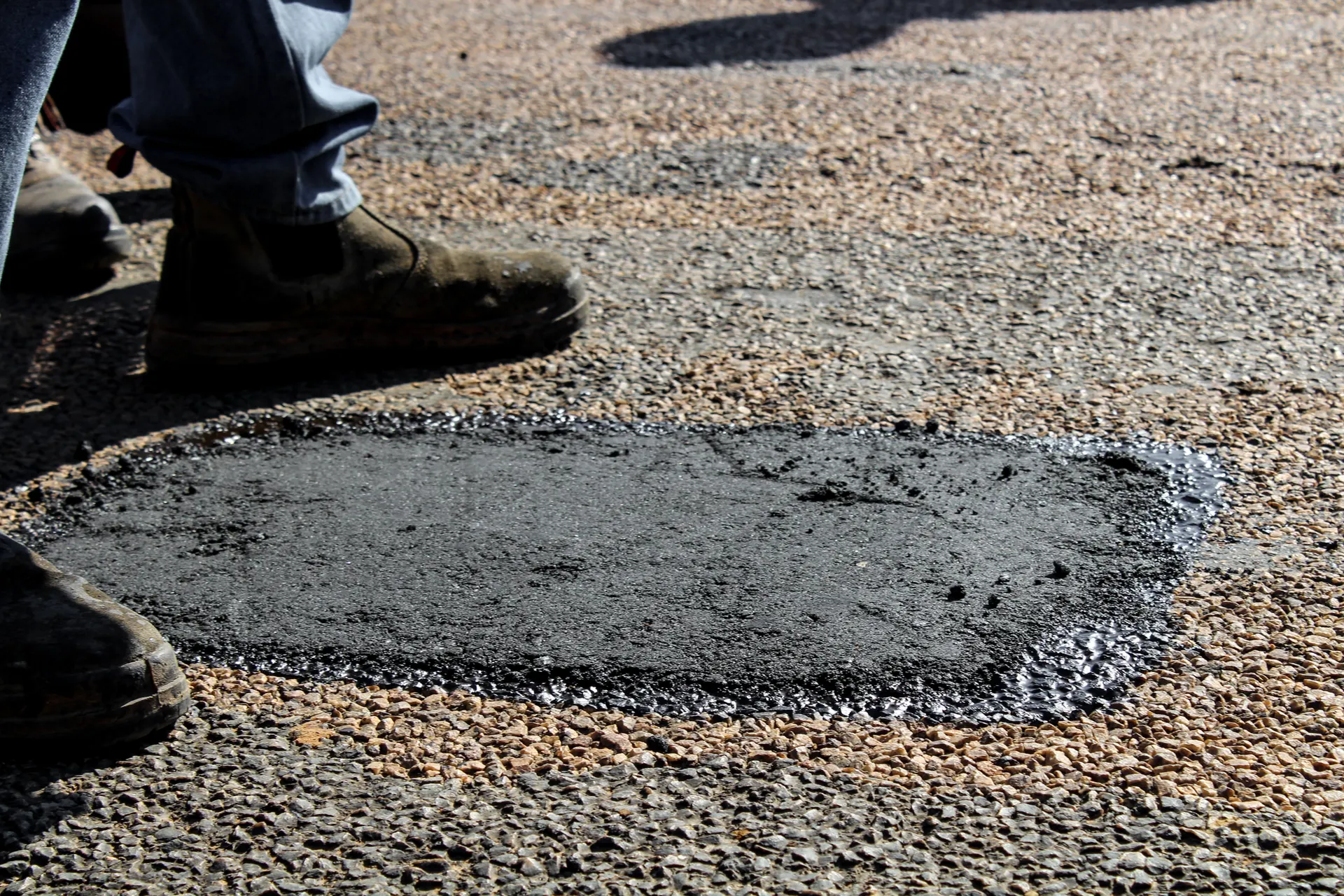
A pothole is the last stage of a leak — water reached the base, softened it, and traffic finally punched through. Fixing one runs $100 to $400 and takes 30 minutes to 2 hours, but a patch is only as good as the base under it, so the crew probes the bottom of the hole first.
If sound material is close under the surface, a compacted hot-mix or infrared repair welds fresh asphalt to the old and holds. If the base is wet and spongy, patching the top just resets the clock, so that one gets full-depth work instead.
Crack Filling & Sealing
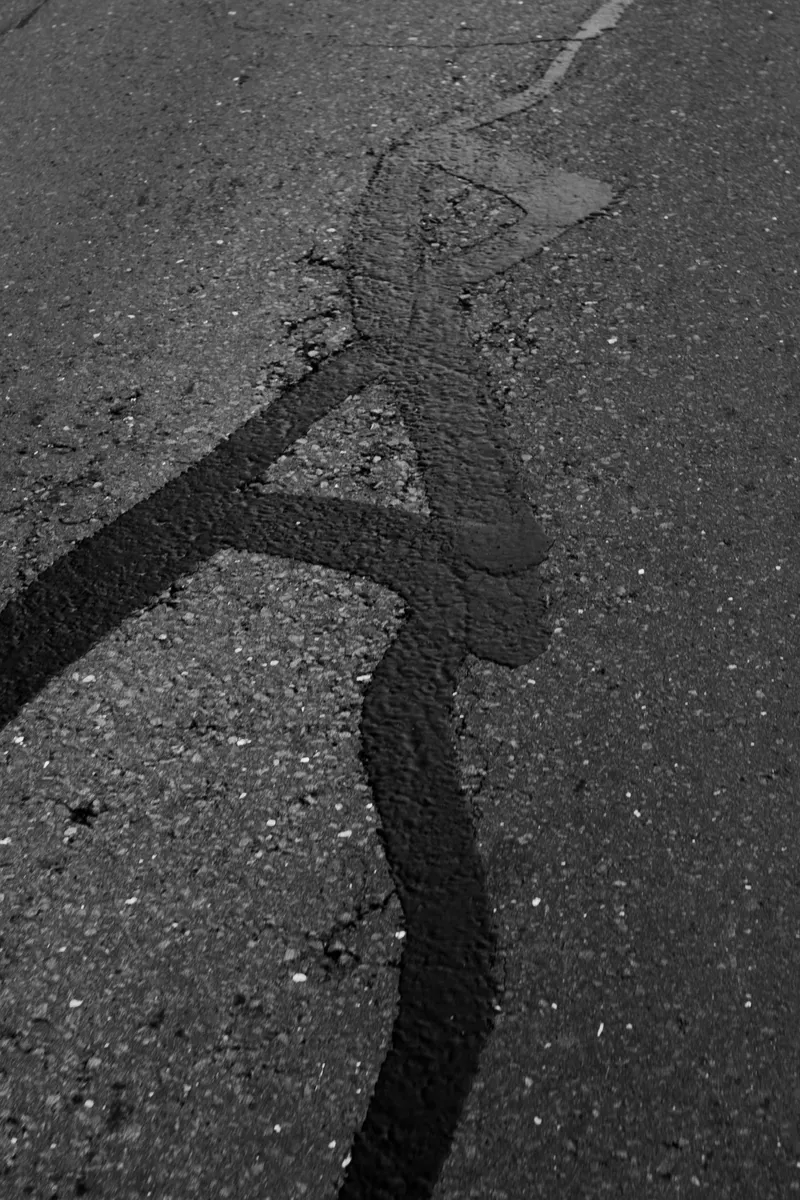
Crack sealing is the cheapest place on this page to stop water, which makes it the highest-leverage repair we do. Hot-pour sealant applied to ASTM D6690 specifications runs $0.50 to $3 per linear foot and cures for traffic in 2 to 6 hours.
Early alligator cracking that's still tight can be routed and sealed before it opens. Once cracks widen past roughly a quarter-inch and pieces move, sealant no longer holds and the section moves to patching.
Full-Depth Patching & Edge Repair
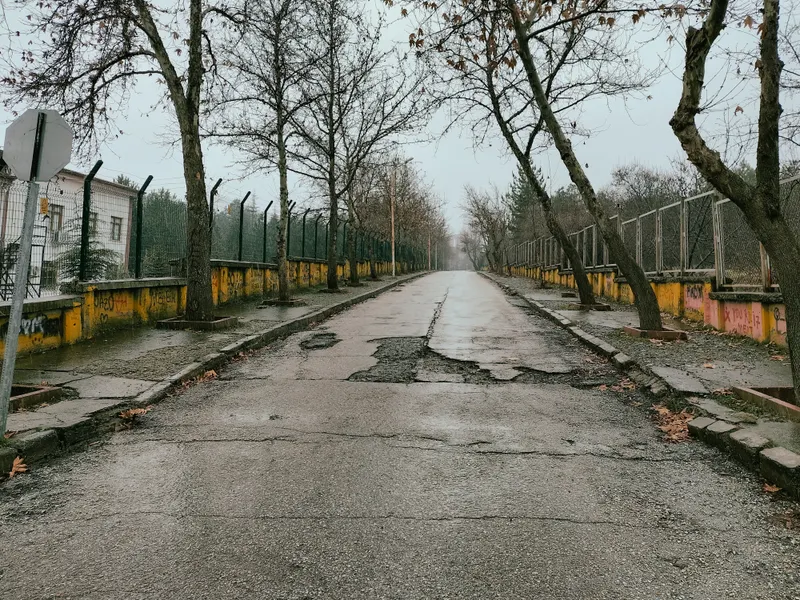
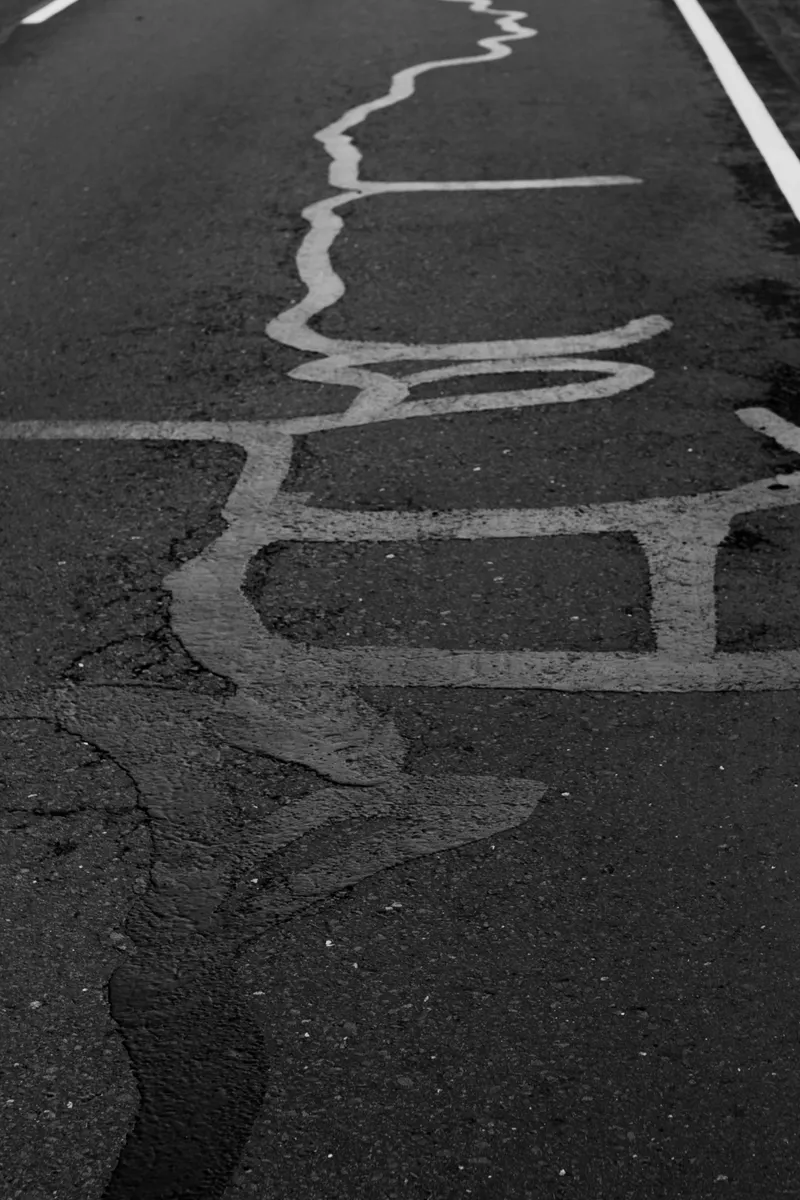
When water has already ruined the base, a surface patch is wasted money. A full-depth saw-cut patch handles it: the crew cuts a clean rectangle around the failure, removes asphalt and saturated base down to sound material, and rebuilds in compacted lifts at $4 to $8 per square foot, following TxDOT and Asphalt Institute guidance on lift thickness and compaction.
A border with no curb or full-depth base can't hold water back, so the outer inches crumble first; we rebuild the shoulder and, where water runs off adjacent ground, correct the grade so it stops undermining the edge.
The Benefits
Why Fixing It Early Pays Off in Fort Worth
The math on preventive repair isn't close. A patch or a seal now costs a fraction of the reconstruction the same damage becomes once water finishes working through the base.
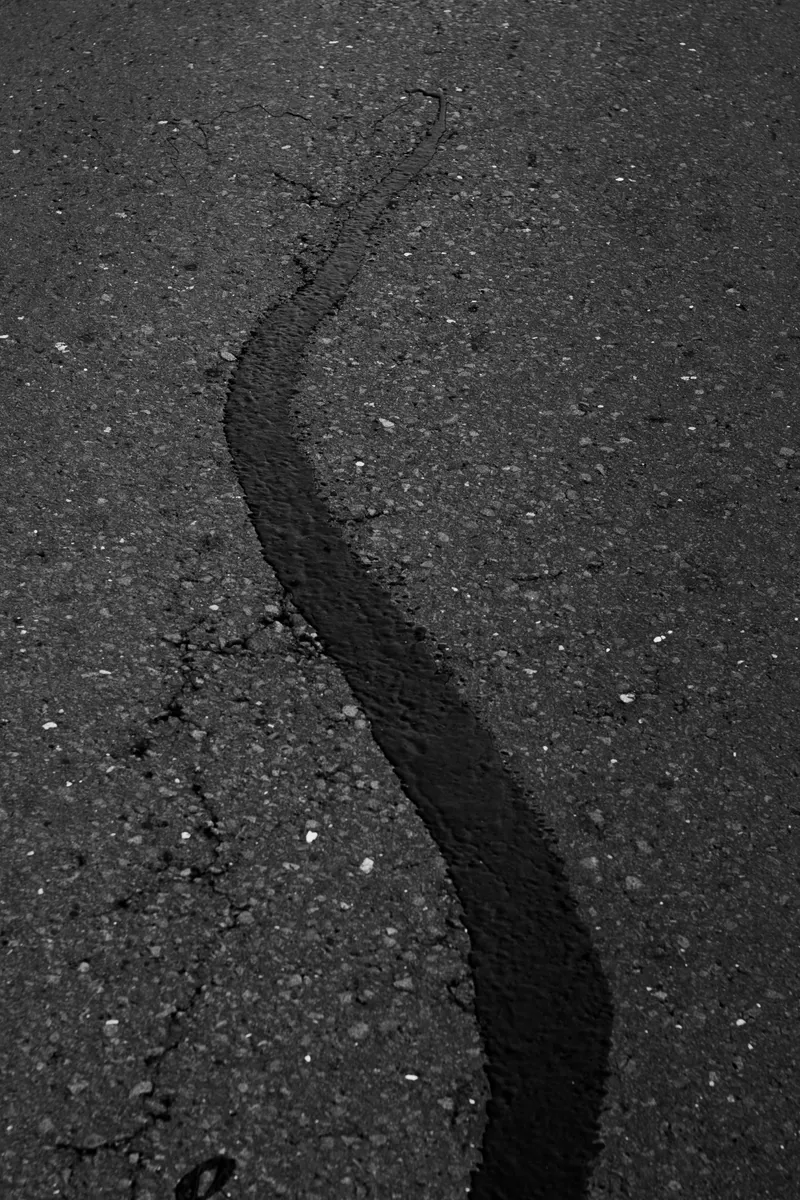
More Than Six Times Cheaper Than Waiting
Michigan's DOT reached its target network condition for roughly $80 million in preventive maintenance against an estimated $700 million to reconstruct the same roads later, and the FHWA puts preventive treatment at more than six times more cost-effective per dollar than reconstruction. The same curve runs at driveway scale: a $2-a-foot crack seal or a $150 pothole repair is the cheap end of the $4-to-$8-a-square-foot full-depth work it becomes once water reaches the base.

It Stops the Water, Not Just the Symptom
Every open crack and every low spot that ponds is an entry point, and on the low south side — draining toward Sycamore Creek and the Trinity floodplain — there's more standing water looking for a way in than on higher ground. Sealing cracks and correcting a grade that pools water cuts off the mechanism that produces potholes: fix the water and the surface stops failing.
Extends Pavement Life Without a Tear-Out
Pavement that's still structurally sound doesn't need to come out — it needs the failing spots sealed and the failed spots patched before water spreads the damage. Targeted repair buys years of added service life on a surface that would otherwise get dragged toward a full replacement one neglected crack at a time.
Why Us
Why South Fort Worth Chooses Us for Asphalt Repair
On the low side of Fort Worth we read drainage before we read damage — which is why fewer patches come back the next wet season.
We Diagnose the Water First
Before anyone quotes a patch, a crew reads the grade and finds where water pools and where it's getting in. A pothole over a dry, sound base is a quick permanent fix; the same pothole over a saturated base is a full-depth job, and telling them apart on-site is the difference between a repair that holds and one that reopens.
Crews That Follow Written Specifications
The crews we coordinate apply hot-pour crack sealant to ASTM D6690 specifications and build full-depth patches to TxDOT and Asphalt Institute guidance on lift thickness and compaction. Those standards exist to keep water from finding a seam — a patch built to spec stays flush and sealed through a wet spring.
We Tell You When to Repair vs. Replace
Not every damaged section needs a full-depth cut-out, and not every driveway with a few potholes needs a repave. Every call starts with an honest read on whether water has taken only the surface or the base too, because recommending a full resurfacing when a $300 patch and a drainage fix would hold isn't how repeat customers get built across Forest Hill, Benbrook, Crowley, and Everman.
Cracks and potholes are usually a symptom, not the whole problem — if a section keeps failing in the same spot no matter how many times it's patched, water is almost certainly still reaching the base, and the real fix is finding where it gets in before another patch goes down. The same south Fort Worth paving crew handling pothole repair, crack sealing, and drainage correction across Forest Hill, Benbrook, Crowley, and Everman also coordinates parking lot paving for managers whose lots have moved past patching, so call (817) 632-9447 and we'll read the water first and tell you honestly which side of that line you're on.
Frequently Asked Questions
What actually causes potholes on the south side of Fort Worth?
Water, almost every time. A crack or a porous spot lets water into the pavement, the water saturates and softens the base, the weakened base stops carrying wheel loads, and traffic finally breaks the surface open into a pothole. The south side makes this worse because it sits low — runoff off the I-35W corridor, McCart Avenue, and Sycamore School Road drains toward Sycamore Creek and the Trinity floodplain, so lots hold water longer and feed it into the pavement.
How much does it cost to patch a pothole here?
A standard professional pothole repair runs $100 to $400, depending on depth, how much surrounding pavement has crumbled, and whether the base under it is sound or saturated. A shallow throw-and-roll patch on a dry base sits at the low end; a full-depth cut-out where water has ruined the base is priced by area at $4 to $8 per square foot. Commercial lots off McCart Avenue or Sycamore School Road with several potholes are usually quoted as one written, itemized job, since mobilization costs the same whether the crew fixes one hole or six.
Should I repair my asphalt or replace it?
Repair makes sense when the damage is isolated — a handful of potholes, cracks still under about a quarter-inch, or a few failed sections on a surface whose base is otherwise sound and dry. Replacement becomes the better dollar once roughly a third of the surface shows alligator cracking, rutting, or repeat potholes in the same spots — signs water has taken the base across a wide area. If it's that case, new asphalt paving covers it from the subgrade.
How long does crack filling actually last?
Hot-pour crack sealant applied to ASTM D6690 specifications typically holds from a season up to a couple of years before it needs a touch-up, and most work we do carries roughly a one-year workmanship warranty on the treated area. How long it lasts depends mostly on how much water keeps working the crack — a seal over stable, well-drained ground lasts far longer than one over a low spot that ponds after every rain. Sealing early, while the crack is still tight, gets the most life out of it.
Is standing water on my lot really the cause of the damage?
Usually yes, at least the start of it. Standing water is the single strongest on-site predictor of where the next pothole opens, because ponding gives water time and pressure to soak through the surface and into the base rather than running off. That's why drainage correction is part of what we do — sometimes the right fix isn't a better patch but re-grading so water stops sitting on the spot.
What's the difference between throw-and-roll and full-depth saw-cut patching?
Throw-and-roll dumps hot mix into a cleaned-out pothole and compacts it — fast and economical when the damage is limited to the surface and the base below is still sound and dry. A full-depth saw-cut patch is a different job: the crew cuts a clean rectangle around the failure, removes asphalt and saturated base down to solid material, and rebuilds in compacted lifts at $4 to $8 per square foot. The deciding factor is water — if it has softened the base, only full-depth removal takes the wet material out, and throw-and-roll over a failed base buys a repeat call within months.
How do you fix alligator cracking?
Alligator, or fatigue, cracking is the reptile-skin pattern that appears when a water-softened base can no longer support the pavement flexing over it under load — a base-failure symptom, not a surface one. Early cracking that's still tight can sometimes be routed and sealed with hot-pour sealant to shut the water out and buy time, but once the cracks have opened and pieces shift underfoot, that section needs a full-depth saw-cut patch down to dry, sound base. We inspect how far it's spread and how wet the base is before quoting either fix.
Is cold-patch as good as hot-mix for pothole repair?
No — cold-patch is a temporary fix meant to close a hazardous hole quickly when hot mix isn't available or the weather won't allow a permanent repair, and it doesn't bond to the surrounding pavement as tightly, which leaves seams water can work back into. Hot-mix and infrared repairs bring fresh heated asphalt to the site or reheat the pavement so new material welds to the old, and that tight bond is what keeps water out through heavy traffic. We use cold-patch when a hole must close same-day for safety, then follow with a permanent repair.
What causes edge cracking along the sides of my driveway or lot?
Edge cracking shows up where the pavement's outer border isn't backed by a curb or full-depth base, common on south Fort Worth driveways and lots paved without a structural edge. With no lateral support, the outer few inches flex under wheel loads and vibration until they crack parallel to the edge — and the moment water gets into that crack, it undermines the unsupported soil beneath and the failure accelerates. The fix is routing and sealing while it's still tight, or rebuilding the shoulder if it's already crumbling, plus correcting the grade where water runs into that edge.
Do I need a permit to patch or repair existing asphalt in Forest Hill, Benbrook, Crowley, or Everman?
Routine patching, pothole repair, and crack sealing on asphalt that's already there generally doesn't trigger the same permitting as new paving or a driveway approach, since you're maintaining an existing surface rather than changing its footprint. That said, Forest Hill, Benbrook, Crowley, and Everman each run their own permitting departments rather than routing through the county, and work touching the public right-of-way or changing drainage can fall under different rules; unincorporated addresses fall under Tarrant County instead. We confirm what, if anything, applies before starting, so a repair never becomes a compliance problem.
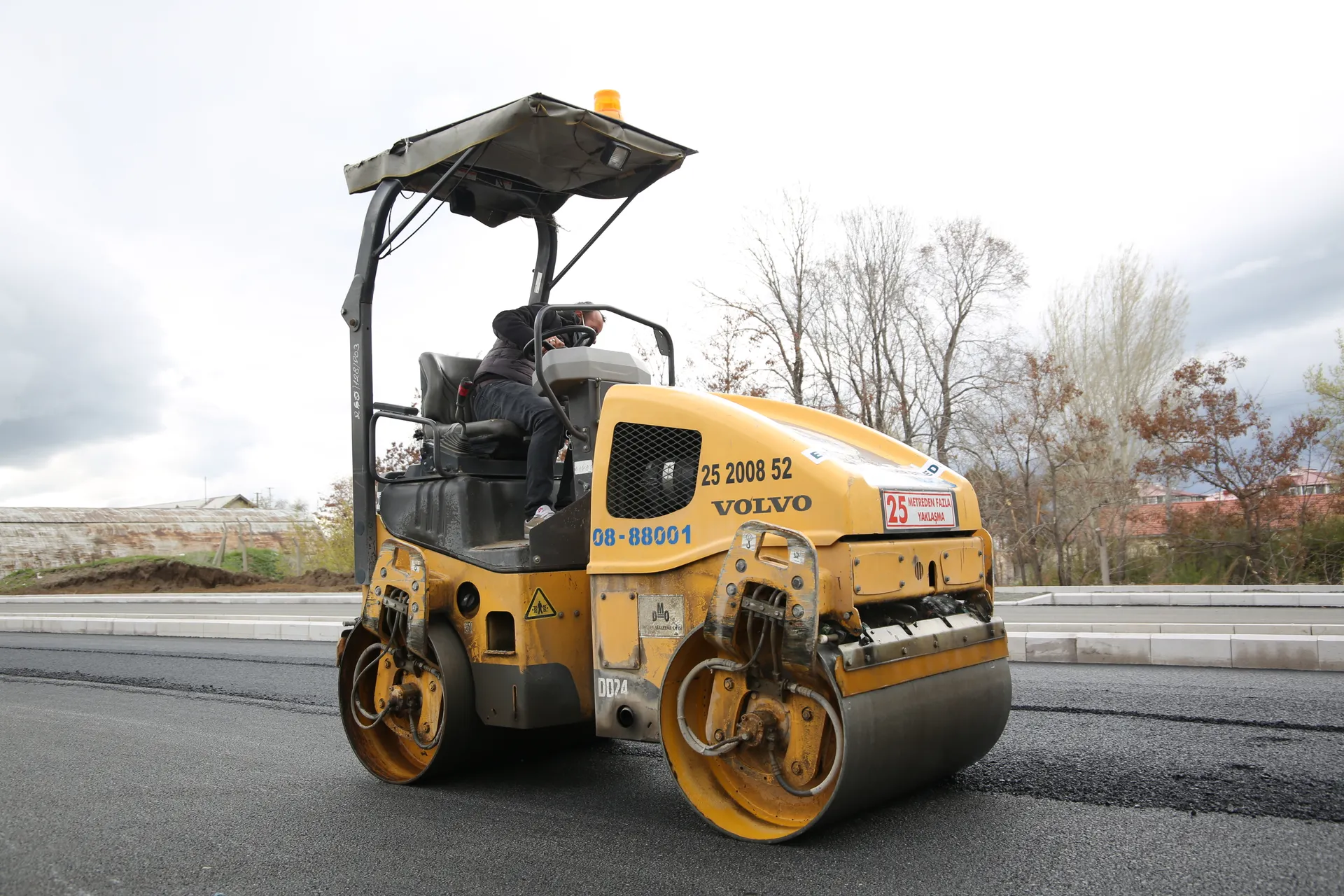
Find the Water, Fix It Once
Pothole repair, crack sealing, full-depth patching, and drainage correction. Call (817) 632-9447 for a fast, written quote.
(817) 632-9447