Asphalt Paving · Fort Worth, TX
Crack Filling & Sealing in Fort Worth, TX
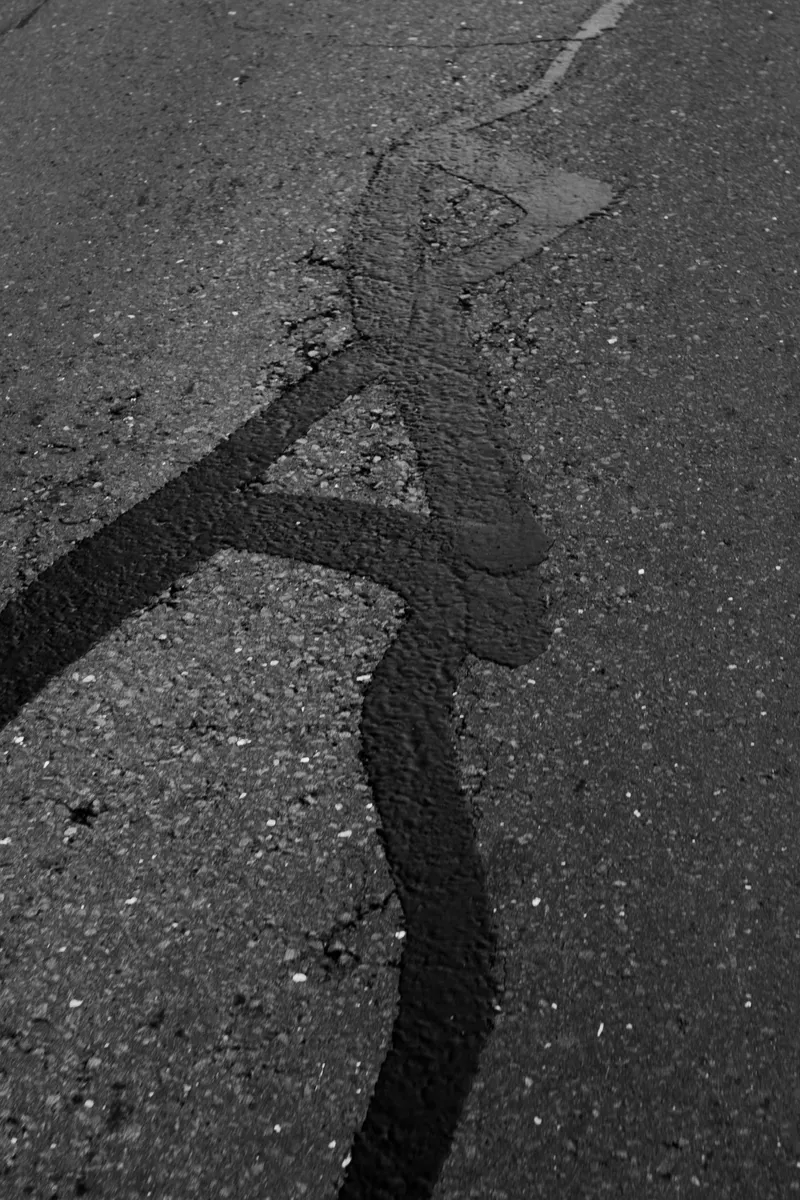
Asphalt & Paving South Fort Worth has coordinated hot-pour crack sealing, crack routing and cleaning, early alligator crack treatment, and joint and seam sealing across the low south side for 15 years — call (817) 632-9447 any hour, since the crews we coordinate run Open 24 Hours. A crack is the cheapest problem your pavement will ever have. Left alone it isn't a cosmetic line on the surface; it's an open door for water, and every dollar spent sealing it now is a dollar saved off the patch, the base rebuild, or the resurfacing it becomes later.
This page is about catching pavement early, while the fix is still measured in linear feet instead of square feet. A tight, hairline crack that gets routed clean and sealed with hot-pour sealant stops water cold; the same crack left through one more Fort Worth summer widens, lets water into the base, and turns into the alligator cracking or pothole our asphalt repair and pothole repair pages exist to fix. Crack filling is the step that keeps you off those pages.
The south side makes the timing matter more than most places. Ground draining toward the Clear Fork Trinity, Sycamore Creek, and the Benbrook Lake floodplain means driveways and lots across 76115, 76119, 76133, and 76140 hold runoff longer than higher ground sheds it, so an open crack down here sits wet more often than the same crack on the north side of town. Sealing early isn't cosmetic maintenance on this side of Fort Worth — it's the one step standing between a two-dollar-a-foot seal and a saturated base.
When Forest Hill, Benbrook, Crowley, and Everman property owners call us for crack filling, they're buying a few hours of work today against a much larger bill later, applied to standards — ASTM D6690, TxDOT, and Asphalt Institute — that are built to make a seal actually hold through a wet season, not just look filled on the day the crew leaves.
What We Do
Our Crack Filling & Sealing Services in Fort Worth
Every crack gets routed and cleaned before it gets sealed, matched to how far it's opened — hot-pour sealant to ASTM D6690 specifications on the linear cracks, a different call once alligatoring or a joint has started moving.
Hot-Pour Crack Sealing
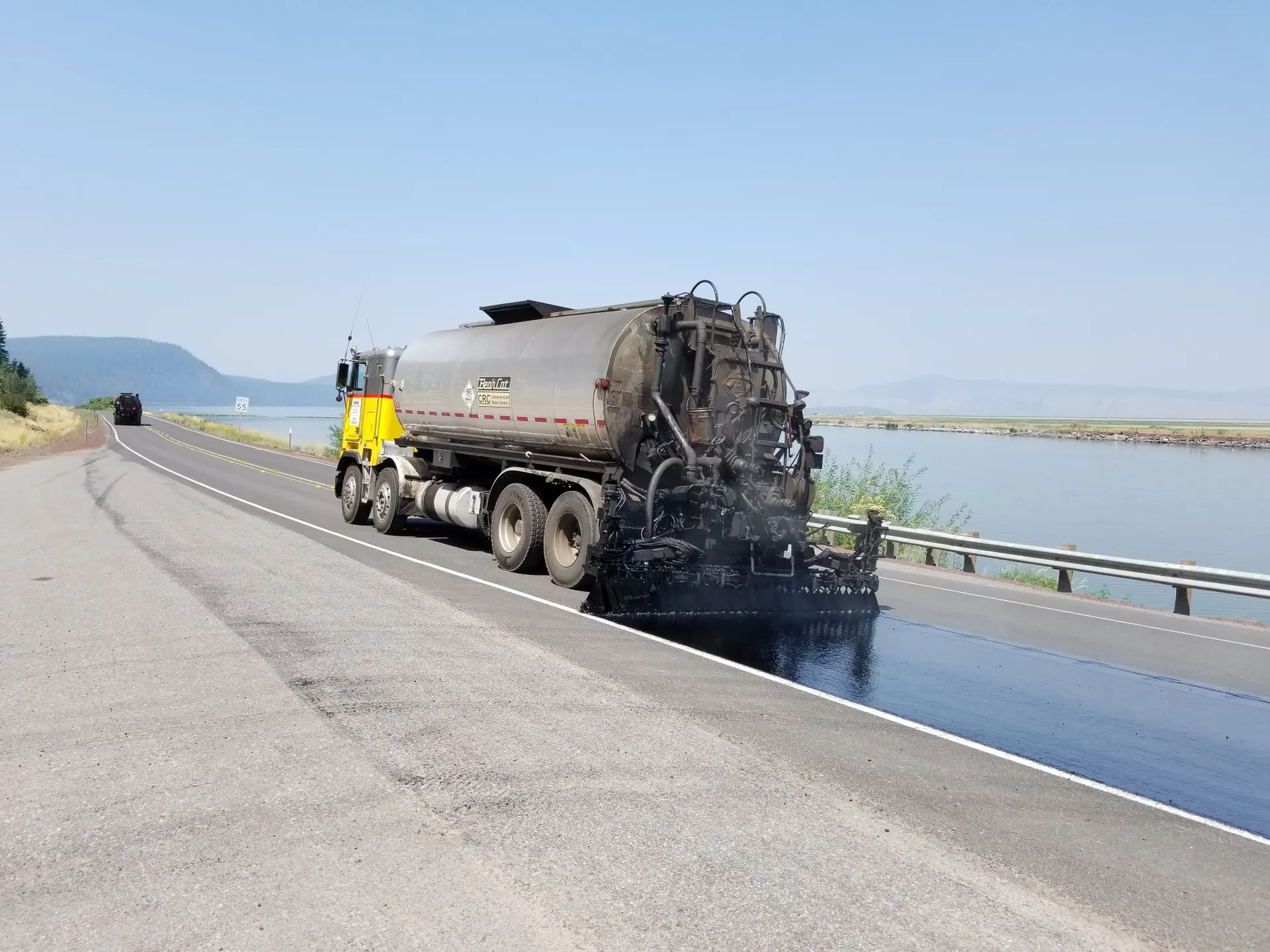
Hot-pour rubberized sealant, melted on-site and applied to ASTM D6690 specifications, is the standard fix for a linear crack that's still tight — running $0.50 to $3 per linear foot and curing for traffic in 2 to 6 hours, most jobs are back in service the same day. The sealant flexes with the pavement through Fort Worth's temperature swings instead of cracking again at the same seam.
Mobilization is the same whether the crew seals fifty feet or five hundred, so a driveway with a handful of cracks and a commercial lot's full perimeter both get one written, itemized quote.
Crack Routing & Cleaning
Sealant poured over a dirty or debris-packed crack doesn't bond, so every job starts with a router that cuts a clean, uniform reservoir along the crack and a blower or compressed air that clears out dirt, vegetation, and loose asphalt. Skipping this step is the single most common reason a cheap DIY seal fails within a season.
Routing also opens up hairline cracks wide enough for sealant to actually key into the pavement, rather than sitting as a thin skin on top that peels the first time a tire runs over it.
Alligator Crack Treatment & Joint Sealing
Alligator, or fatigue, cracking that's caught early — before pieces have started shifting underfoot — can still be routed and sealed as a network of connected cracks rather than cut out and patched. Once it's fully alligatored and the base is compromised, that section moves to full-depth work on our asphalt repair page instead.
Joints and seams, where a driveway meets a garage apron or two paving sections butt together, get the same hot-pour treatment; an unsealed seam is a straight line water follows into the base.
The Benefits
Why Crack Sealing Pays Off on the South Side
A crack sealed today costs a fraction of what the same crack becomes once water finds the base underneath it, and on low ground that reads toward the Trinity floodplain, that clock runs faster.
It Closes the Water's Entry Point
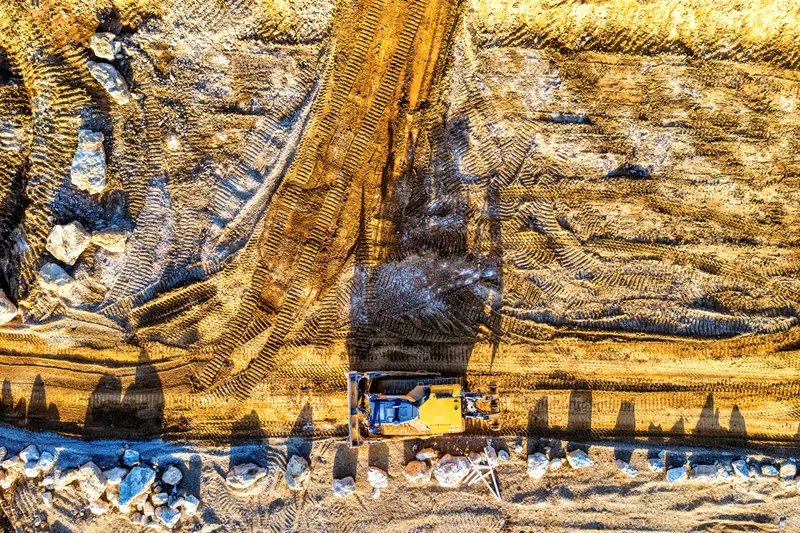
A crack is where surface water gets past the asphalt and into the base course underneath, and once the base is saturated it stops carrying wheel loads the way it's supposed to. On the low south side, where runoff off McCart Avenue and the I-35W South Freeway corridor drains toward Sycamore Creek and the Clear Fork Trinity, an open crack sits wet more often than one on higher ground, so sealing early does more work per dollar here than almost anywhere else in Fort Worth.
More Than Six Times Cheaper Than Waiting
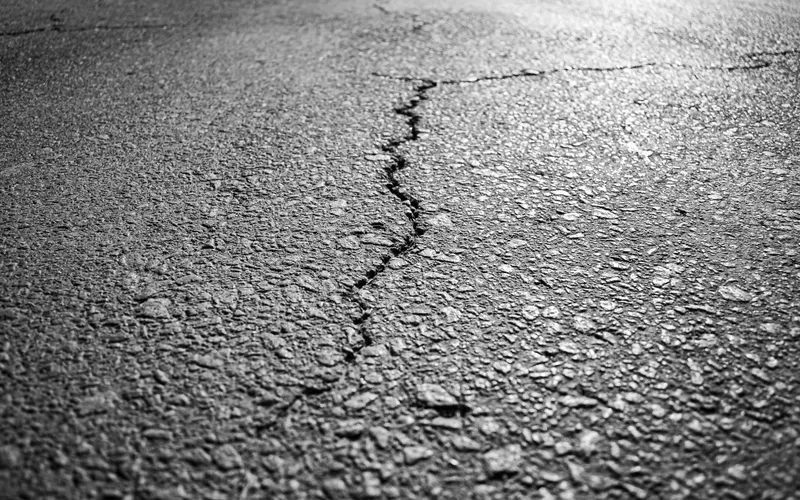
The FHWA's review of Michigan's DOT preventive program found the state reached its target network condition for roughly $80 million in preventive maintenance against an estimated $700 million to reconstruct the same pavement later — a ratio over six to one that scales straight down to a driveway. A $0.50-to-$3-per-linear-foot crack seal is the cheap end of that curve; a full-depth patch at $4 to $8 per square foot is what the same crack becomes once the base is gone.
Cures Fast, No Extended Closure
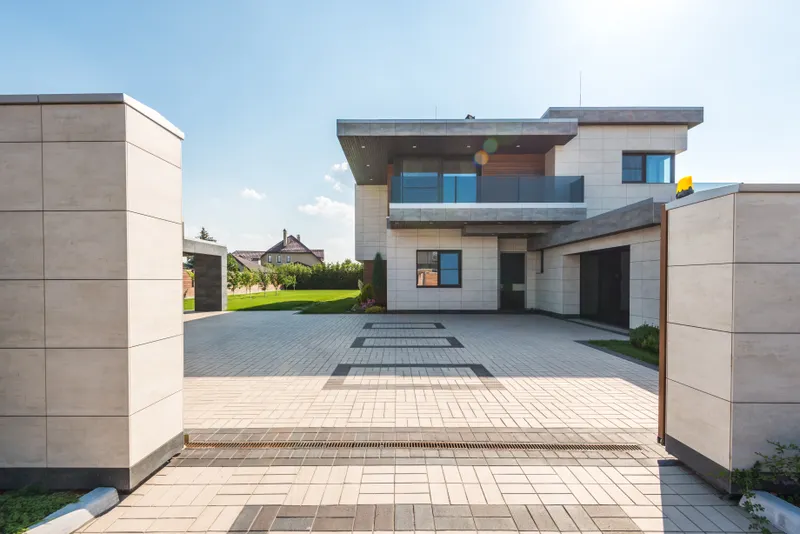
Hot-pour sealant cures for foot and vehicle traffic in 2 to 6 hours, so a driveway or a lane of a commercial lot is rarely down for more than a work shift. That's a fraction of the multi-day closure a full-depth patch or resurfacing job requires, which matters most for a business that can't afford to block parking for a repair that could have been a cheaper seal months earlier.
Why Us
Why South Fort Worth Chooses Us for Crack Filling
Fifteen years reading drainage on the low side of Fort Worth means we catch cracks early instead of waiting for the pothole call.
We Route Before We Seal, Every Time
Sealant applied over an unrouted, dirty crack is a cosmetic fix that peels within a season; the crews we coordinate route and clean every crack first so the sealant actually keys into the pavement. It's an extra step that costs a little more time upfront and saves a callback.
We Follow ASTM D6690, Not a Guess
Hot-pour crack sealant applied to ASTM D6690 specifications is engineered to flex with temperature swings and stay adhered to the pavement through a Texas summer and a Fort Worth cold snap alike. Work built to that standard is what separates a seal that holds for a couple of years from one that opens back up by spring.
We Tell You When It's Too Late for a Seal
Not every crack is a candidate for sealing — once alligatoring has spread and the base underneath has failed, sealant is money spent on a section that needs a full-depth patch instead. Every call gets an honest read on which side of that line your pavement is on before we quote anything, across Forest Hill, Benbrook, Crowley, and Everman.
A sealed crack is maintenance measured in dollars per foot; the same crack ignored becomes a base failure measured in dollars per square foot on our asphalt repair or pothole repair pages. The same South Fort Worth paving crew pairs crack sealing with sealcoating on the same visit when a driveway or lot needs both, and coordinates full parking lot paving when a surface has moved past what sealing alone can save — call (817) 632-9447 for a written quote on either.
Frequently Asked Questions
How much does crack filling cost in South Fort Worth?
Hot-pour crack sealing typically runs $0.50 to $3 per linear foot, with the price depending on how much crack there is, how wide the router needs to cut, and whether it's a straightforward linear crack or an early alligatored section treated as a network. A driveway with a handful of hairline cracks often lands under $200 total; a commercial lot's full perimeter and expansion joints get priced as one written, itemized job since mobilization costs the crew the same whether they seal fifty feet or five hundred. We always quote in writing before any router touches the pavement.
How long does hot-pour crack sealant actually last?
Applied to ASTM D6690 specifications, hot-pour sealant typically holds up for a season or two before it needs a touch-up, and most work we do carries roughly a one-year workmanship warranty on the treated section. How long it lasts depends heavily on drainage — a crack on ground that sheds water lasts longer than one on the low south side where runoff toward Sycamore Creek and the Trinity floodplain keeps pavement wetter, longer. Sealing while the crack is still tight, rather than waiting for it to widen, gets the most life out of the work.
How long before I can drive on a freshly sealed crack?
Hot-pour sealant cures for foot and vehicle traffic in 2 to 6 hours under typical conditions, so most driveways and single lanes of a parking lot are back in use the same day. Cooler temperatures or a shaded, damp area can push that toward the longer end of the window, which is why the crew checks weather and surface temperature before committing to a same-day reopening time. We'll tell you the actual cure window on-site rather than quoting a generic number.
What's the difference between crack filling and crack sealing?
In practice the terms get used almost interchangeably by homeowners, but there's a real distinction: filling is a simpler, non-flexible material sometimes used on stable, low-movement cracks, while sealing uses a hot-pour rubberized sealant to ASTM D6690 that flexes with the pavement as it expands and contracts through temperature swings. On Fort Worth's summer-to-winter range, the flexible hot-pour sealant is what we use on almost every job, since a rigid filler tends to crack back open at the same seam within a year. If a specific situation calls for the simpler approach, we'll say so and explain why.
Do you route the crack before sealing, or just pour sealant on top?
We route first, every time — a router cuts a clean, uniform reservoir along the crack and compressed air or a blower clears out dirt, loose asphalt, and vegetation before any sealant goes down. Pouring hot-pour sealant over an unrouted, debris-packed crack is the single most common reason a cheap seal job peels within a season, because the sealant sits as a thin skin on the surface instead of keying down into the crack. The extra step takes a little more time on-site, which is why we build it into the quote from the start instead of skipping it to save an hour.
Can crack sealing fix alligator cracking, or does that need patching?
It depends on how far the alligatoring has spread. A patch of connected cracks that's still tight, with no pieces shifting underfoot, can often be routed and sealed as a network to shut water out before the base underneath is compromised. Once the pattern has opened up and the pieces move when you step or drive on them, sealant won't hold and that section needs a full-depth saw-cut patch instead, which is where our asphalt repair service takes over. We inspect the section and give you an honest answer on which side of that line it's on before quoting anything.
Why does South Fort Worth need crack sealing more than other parts of town?
The south side sits on lower ground, and runoff off the I-35W South Freeway corridor, McCart Avenue, and Sycamore School Road drains toward Sycamore Creek, the Clear Fork Trinity, and the Benbrook Lake floodplain, so pavement across 76115, 76119, 76133, and 76140 holds water longer than pavement on higher ground sheds it. An open crack on wetter ground lets more water into the base over a given stretch of weather, which is exactly the mechanism that turns a hairline crack into alligator cracking and, eventually, a pothole. Sealing early does more protective work per dollar here than it would on a lot that drains well on its own.
Will you seal a crack in an asphalt joint or seam, like where my driveway meets the garage apron?
Yes — joints and seams, whether it's a driveway meeting a garage apron, an expansion joint in a commercial lot, or the seam where two paving sections butt together, get the same hot-pour treatment as a standard linear crack. An unsealed seam is effectively a straight line pointed at the base, since it's often the lowest point where water collects before it has anywhere else to go. We treat joint sealing as a standard part of a full crack-sealing job rather than an upsell, since leaving seams open defeats the purpose of sealing the rest of the surface.
How often should I schedule crack sealing maintenance?
Rather than a fixed calendar interval, we recommend an annual walk of the surface to catch new hairline cracks while they're still cheap to seal — usually a fraction of what a neglected crack costs once it's widened over a season or two. Older pavement or a lot in full sun off McCart Avenue tends to develop new cracking faster than a shaded, lightly used residential driveway, so the right cadence varies by property. We'll flag what we see during any visit, whether it's a scheduled sealcoating job or a repair call, so small cracks don't sit unaddressed until they're patch-sized.
Do I need a permit to have cracks sealed in Forest Hill, Benbrook, Crowley, or Everman?
Routine crack sealing on asphalt that's already there almost never requires a permit, since it's maintenance on an existing surface rather than new construction or a change to a driveway approach. Forest Hill, Benbrook, Crowley, and Everman each run their own permitting departments, and unincorporated addresses fall under Tarrant County instead, so the rules can differ slightly from one city line to the next — but crack sealing sits well outside anything those departments typically flag. We confirm before starting on any job that's close to a property line or the public right-of-way just to be sure.
Seal the Crack Before It Becomes a Patch
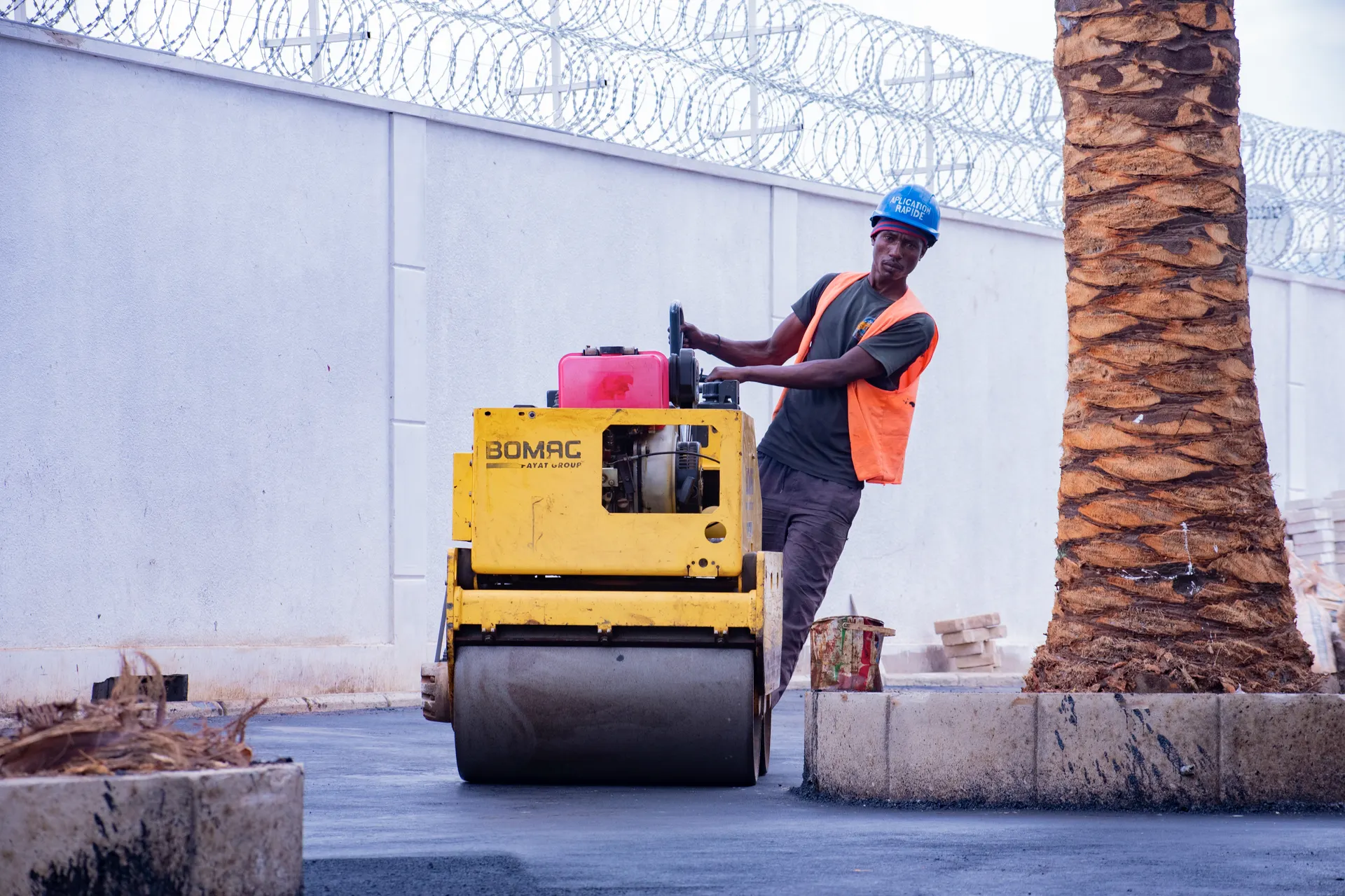
Hot-pour crack sealing to ASTM D6690, quoted in writing. Call (817) 632-9447.
(817) 632-9447