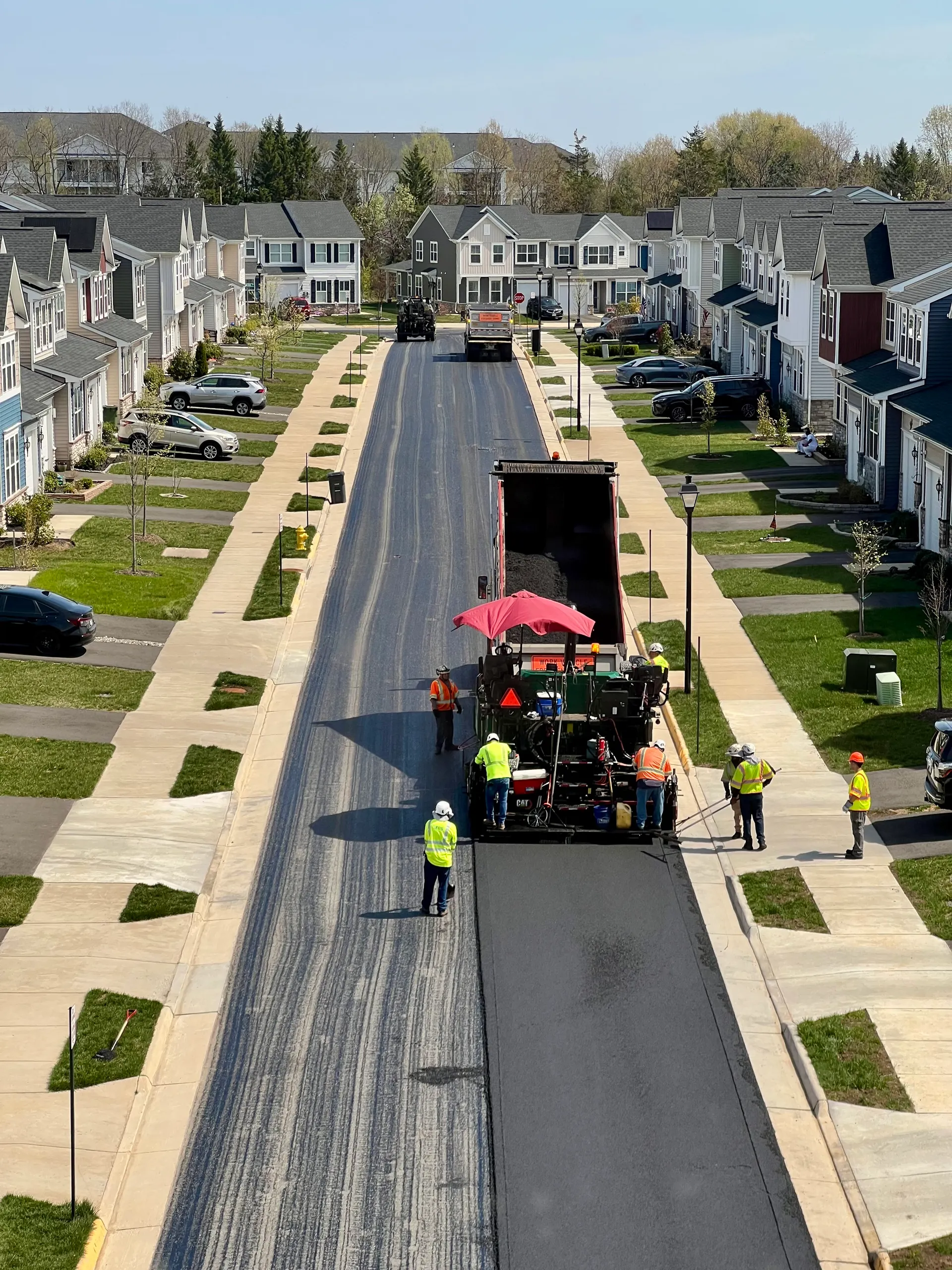
Asphalt Paving · Fort Worth, TX
Driveway Paving in Fort Worth, TX
Homeowners across Forest Hill, Benbrook, Crowley, and Everman call Asphalt & Paving South Fort Worth for one reason more than any other: the old driveway holds water instead of shedding it. We've coordinated driveway paving, widening and extension, removal and replacement, and gravel-to-asphalt conversion for 15 years on this side of Tarrant County, and the crews we coordinate answer the phone Open 24 Hours at (817) 632-9447. A driveway here isn't just a slab of blacktop — it's a piece of grading that decides whether rain runs to the street or sits against your garage slab.
That distinction matters more on the south side than almost anywhere else in the metro. The land here tilts toward the Clear Fork of the Trinity, Sycamore Creek, and the Benbrook Lake floodplain, and a driveway poured flat — or worse, sloped back toward the house — becomes a small private wetland every time it rains. We design every residential driveway around one flow line: a single, continuous slope that carries water off the pad and into the street gutter or yard swale before it ever reaches the base. Get that line wrong and the asphalt itself barely matters; get it right and the rest of the job is straightforward.
Cost for a typical installed driveway runs $3,000 to $10,000, or roughly $3 to $15 per square foot, and most residential jobs finish in 1 to 2 days of on-site work with a 3- to 7-day cure before regular vehicle traffic. We quote from a walk of your actual grade, not a phone guess, because a flat 76115 lot near Sycamore School Road and a gently sloped 76133 lot toward Benbrook price differently the moment drainage design gets involved.
This page covers the residential driveway itself: new installation, widening an existing pad, tearing out a failed slab, and converting gravel to blacktop. Repairing a driveway you already have — potholes, cracks, sunken edges — is asphalt repair; if the whole neighborhood's commercial lot needs paving instead, see parking lot paving. Everything else we build is on our services page.
What We Do
Our Driveway Paving Services in South Fort Worth
Every driveway job on the low south side starts with the same question — where does the water go — before we talk mix design or thickness.
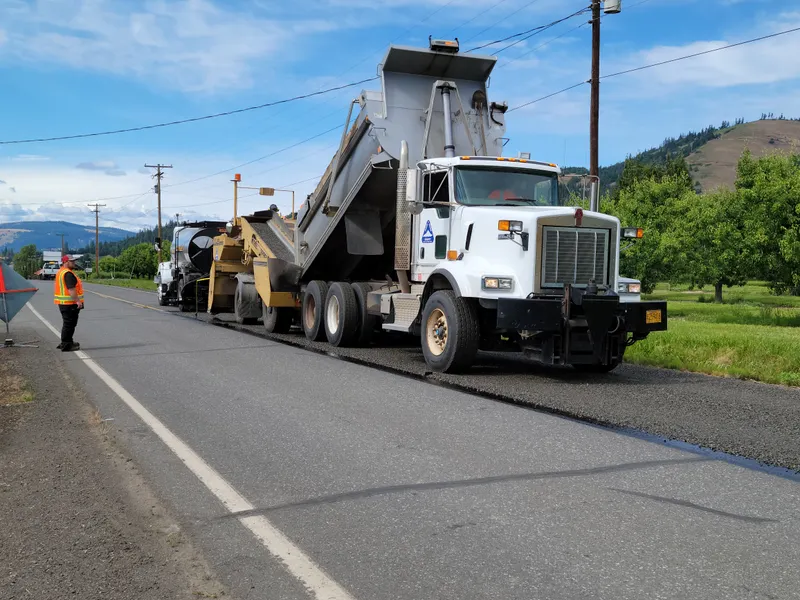
New Driveway Installation
A new residential install runs $3,000 to $10,000, or $3 to $15 per square foot, and takes 1 to 2 days once the site is cleared. The flow line gets cut first: subgrade graded to a single positive slope toward the street or a yard swale, then a compacted aggregate base built in lifts and checked against a Proctor density target (ASTM D698/D1557) before hot-mix ever gets laid.
On flat lots common through Forest Hill and Everman, that slope has to be designed rather than assumed — the ground gives you almost nothing to work with on its own, so we build the fall into the base.
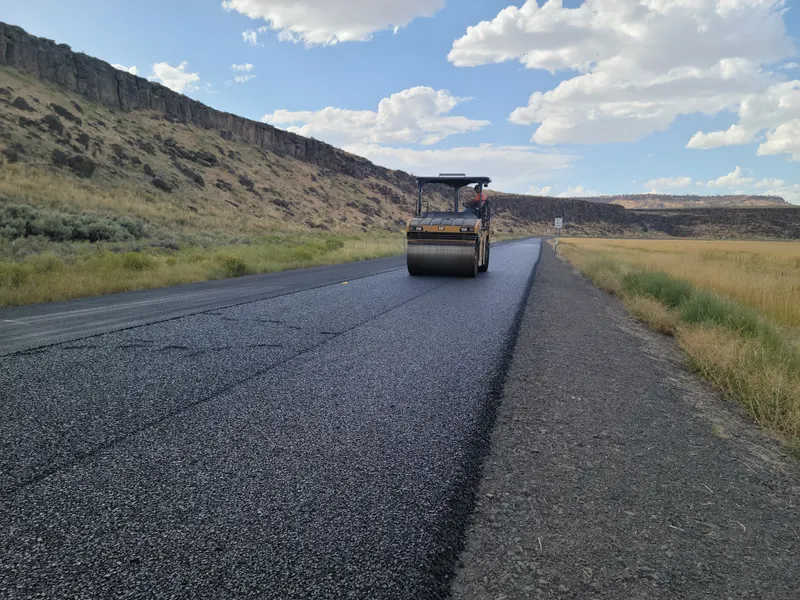
Widening & Extension
Widening a driveway for a second vehicle or a boat trailer means tying new asphalt into an existing flow line without creating a low seam where the two meet — the single most common failure point on a widened pad. We match the new section's slope to the original before compacting the base, so water still runs one direction instead of pooling at the joint.
Extensions toward the street or side yard follow the same rule: the added pavement inherits the house's drainage plan, it doesn't get its own.
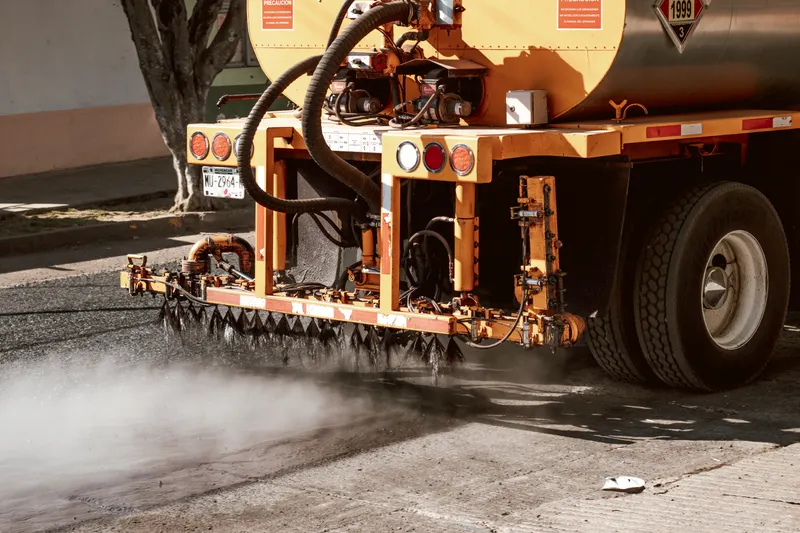
Removal & Replacement
A driveway that's cracked through, sunken at one corner, or pooling water in the middle usually has a base problem, not just a surface one — patching it just delays a full tear-out. Full-depth removal and replacement runs about $4 to $8 per square foot: we cut out the old slab and the saturated base under it, re-grade to correct whatever slope failure caused the pooling, then rebuild from compacted subgrade up.
This is also the point where an old driveway that's always drained toward the garage instead of the street finally gets corrected rather than repeated.
The Benefits
Driveway Paving Benefits for South Fort Worth Homeowners
A driveway built to a real flow line protects more than the pavement — it protects the garage slab, the foundation, and the years you get out of the asphalt before it needs work again.

Water Stays Off Your Garage Slab
A driveway that slopes back toward the house pushes runoff straight at the garage floor and, over enough seasons, the foundation behind it. Cutting the flow line toward the street or a side swale during install solves that permanently — it's a grading decision made once, not a maintenance task repeated every wet season.
Fewer Callbacks for Potholes and Edge Cracking
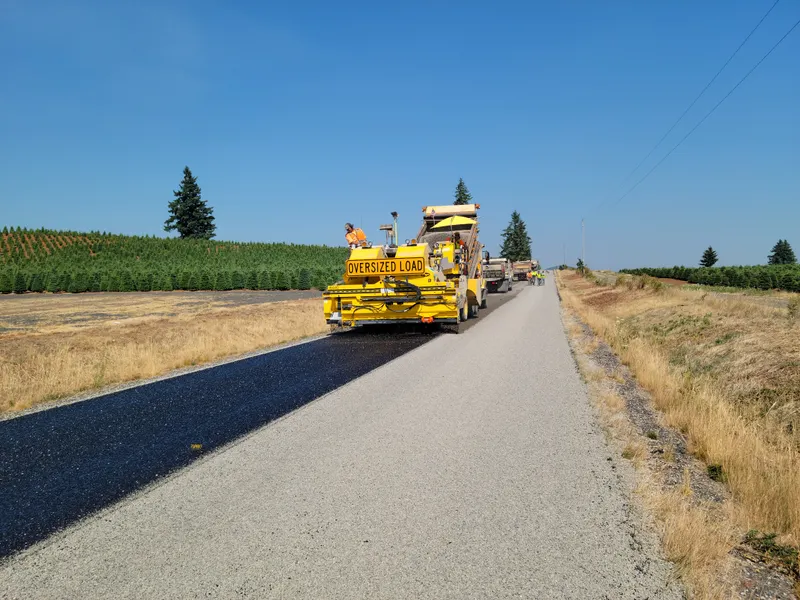
Most of the pothole and crack-filling calls we take on repair jobs trace back to a driveway that was never sloped correctly to begin with. A density-tested base and a designed flow line at install mean the surface isn't fighting standing water from day one, which is the single biggest driver of early pavement failure on this side of the county.
Curb Appeal and Home Value, Built to Last
A clean, evenly sloped asphalt driveway reads as maintained the moment a buyer or appraiser pulls up — no birdbath puddle in the middle, no crumbling edge where water has been working underneath. That first impression holds because the pavement underneath it was engineered to shed water, not just poured and hoped for.
Why Us
Why South Fort Worth Homeowners Choose Us for Driveway Paving
Fifteen years of grading driveways on the water-collecting side of Tarrant County means the flow line gets designed before a single load of hot-mix shows up.
We Design the Flow Line, Not Just the Slab
Every quote starts with a walk of your grade and a look at where water currently sits after rain, because a driveway can't drain correctly if that question never gets asked. The slope gets cut into the subgrade before the base goes down, not guessed at during paving.
Written, Itemized Quotes Before Equipment Arrives
You see grading, base, asphalt, and any drainage correction priced separately, in writing, before a truck shows up. That's true whether the job is a straightforward new install off McCart Avenue or a full removal-and-replacement where the old pad had failed.
24-Hour Scheduling Around Texas Weather
Asphalt placed below 50°F cures far slower, and a summer downpour on a fresh flow line before it's compacted can wash out a day's grading work. Calls come in around the clock at (817) 632-9447 so we can move a start date ahead of the forecast instead of racing it.
If your yard's grading problem is bigger than the driveway pad itself — a low spot that floods the whole side yard, or a slope that needs correcting before any paving makes sense — that's grading and excavation work, and we scope it the same way we scope a flow line: walk the site, find where water actually goes, then fix the ground before the asphalt. The same South Fort Worth paving crew building driveways across Forest Hill, Benbrook, and Crowley also handles the sealcoating and repair work that keeps one running for years, so call (817) 632-9447 for a written quote on your specific lot.
Frequently Asked Questions
How much does a new driveway cost in South Fort Worth?
A typical residential driveway runs $3,000 to $10,000 installed, or roughly $3 to $15 per square foot, with the exact number driven by size, access, and how much grading and drainage correction the site needs. A flat lot in Forest Hill that requires a designed flow line to be cut into the subgrade costs more to prep than a lot that already has a natural fall toward the street. We quote after walking the actual grade rather than pricing off square footage alone, and the estimate is itemized so grading, base, and asphalt each show separately.
Why does my driveway pool water in the middle?
A driveway pools water when it was never built with a single continuous slope, or when the base under it has settled unevenly and created a low spot. On the flat ground common through 76115 and 76119, a driveway poured without a designed flow line has almost nowhere natural to send runoff, so it collects in the lowest depression instead of reaching the street. The fix is either regrading the surface if the base is still sound, or full-depth removal and replacement at $4 to $8 per square foot if the base itself has failed.
Can you convert my gravel driveway to asphalt?
Yes, and it's one of the more common jobs we run in Benbrook and Crowley, where older gravel drives are common on larger lots. We excavate the loose gravel down to solid subgrade, grade in a proper flow line toward the street, build a compacted aggregate base to a Proctor density target (ASTM D698/D1557), then pave hot-mix on top. Because the base often needs more correction than a straightforward asphalt-to-asphalt job, conversions can run slightly higher per square foot than the standard $3-to-$15 range, and we confirm that during the site walk.
How long before I can park on a new driveway?
Plan on 3 to 7 days before regular vehicle traffic, longer if the asphalt went down when temperatures were below 50°F since cold slows the cure. Light foot traffic is usually fine after 24 to 72 hours once the surface has cooled and set. Full hardening continues for 6 to 12 months as the mix finishes curing, which is also why sealcoating a brand-new driveway has to wait — see our sealcoating page for that timeline.
Can you widen my existing driveway for a second car or a boat?
Yes — widening ties new pavement into your existing driveway's flow line rather than giving the added section its own slope, since a mismatched joint is the most common place a widened driveway fails first. We match the new section's grade to the original before compacting the base underneath it. Pricing follows the same $3-to-$15-per-square-foot range as new paving, adjusted for how much base prep the widened area needs.
Should I repair my cracked driveway or replace it entirely?
Repair makes sense when the damage is limited to a handful of cracks or a small patched area and the base underneath is still dry and sound — that work is covered on our asphalt repair page. Replacement is the better dollar once the driveway pools water in multiple spots, shows cracking across a wide area, or has settled unevenly, because those are base-level signs, not surface ones. A full-depth removal and replacement at $4 to $8 per square foot also lets us correct a slope that's been sending water the wrong direction for years.
Does my driveway need to slope toward the street?
In almost every case on the south side, yes — a flow line toward the street or a side-yard swale is the single most important design decision on a residential driveway here. Because Forest Hill, Benbrook, and Everman all sit on low, near-flat ground draining toward Sycamore Creek and the Clear Fork of the Trinity, a driveway with no designed slope, or one that tilts back toward the garage, collects water instead of shedding it. We cut that slope into the subgrade during grading, before any base or asphalt goes down.
Do I need a permit to pave or repave my driveway?
Routine driveway paving on a lot you already own generally doesn't require the same permitting as new construction. That said, Forest Hill, Benbrook, Crowley, and Everman each run their own permitting rather than routing through Tarrant County, and any work that widens the driveway footprint or changes the drainage approach onto a public street can trigger a separate review. We confirm what applies to your address during the site walk, before quoting, so a straightforward driveway job never turns into a compliance surprise mid-project.
What's the difference between asphalt and concrete for a driveway here?
Asphalt typically costs less to install, cures faster — 3 to 7 days versus concrete's longer set time — and is cheaper to repair later since patching and resurfacing are routine rather than a full slab replacement. Concrete holds up longer between major repairs but cracks more visibly when the ground moves and costs more to fix once it does. On the expansive clay common across south Fort Worth, asphalt's flexibility handles seasonal soil movement better, which matters on lots where the grade is already doing extra work to keep water off the slab.
How thick does a residential driveway need to be?
Most residential driveways don't need the thick structural section a commercial lot requires, since they only carry passenger vehicles rather than delivery trucks, but thickness still gets specified from the site's soil and drainage, not assumed from a standard number. A driveway on ground that holds water longer, closer to Benbrook Lake or the Sycamore Creek floodplain, gets a more conservative base and slope design than a lot with better natural drainage. We confirm the exact structural section after evaluating your subgrade during the quote walk.
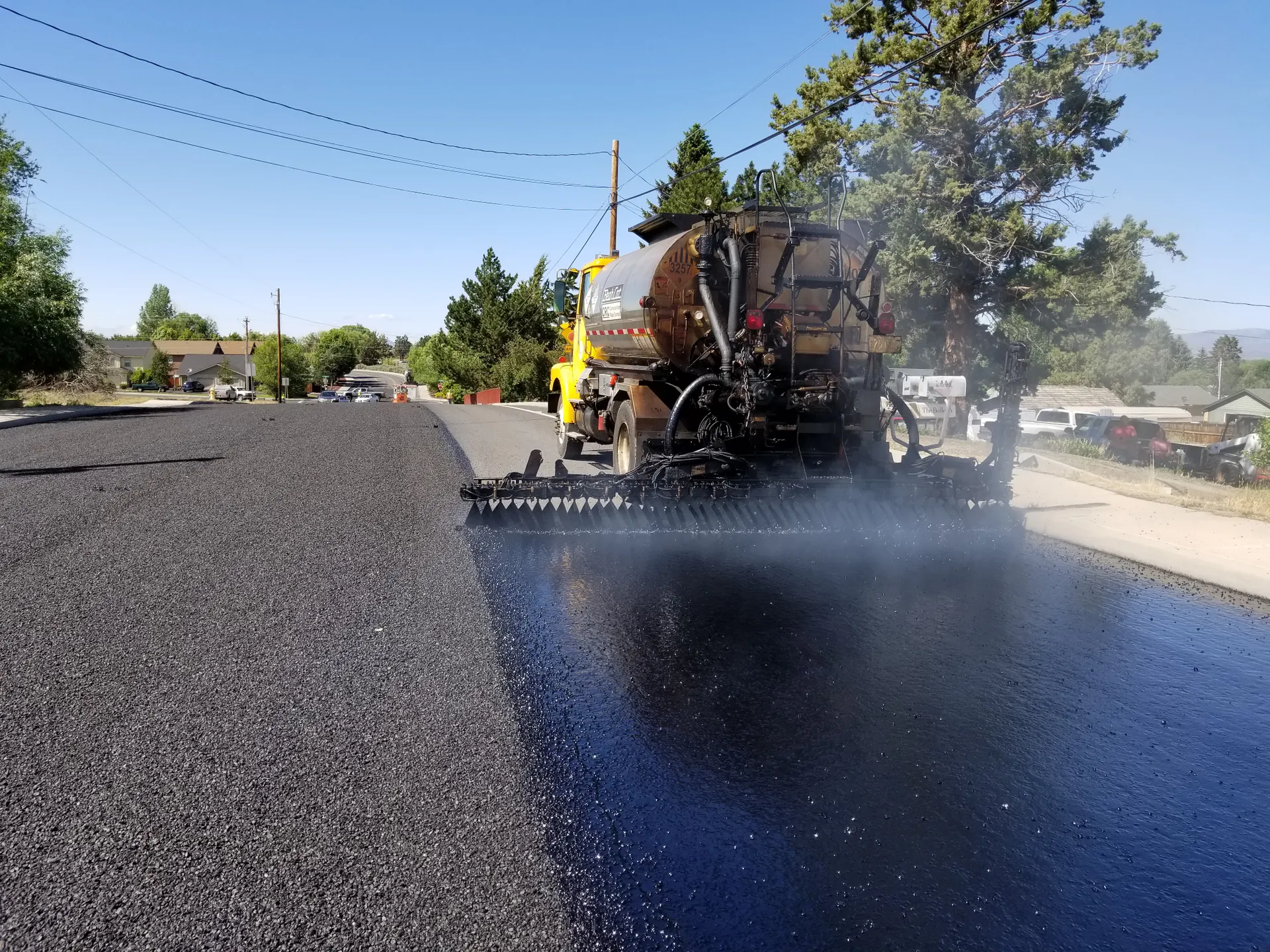
Get Your Driveway Graded to Drain, Not Pool
New driveways, widening, removal and replacement, gravel conversions. Call (817) 632-9447 for a written quote — Asphalt & Paving South Fort Worth, 24 hours a day.
(817) 632-9447