Asphalt Paving · Fort Worth, TX
Grading & Excavation in Fort Worth, TX
Every asphalt job Asphalt & Paving South Fort Worth builds starts underground, before a single ton of hot-mix shows up. Grading and excavation — site grading, excavation and removal, drainage grading and slope correction, subgrade stabilization — is the sitework we sell on its own, separate from the paving that follows it. 15 years working this ground, Open 24 Hours, and a written itemized quote before equipment moves. Call (817) 632-9447.
This is the low corner of Tarrant County. The land here tilts toward the Clear Fork of the Trinity, Sycamore Creek, and the Benbrook Lake floodplain, so nearly every site we grade is fighting the same problem: water that wants to sit exactly where you're about to build. Before we talk asphalt thickness or mix design, we set the flow line — the path water actually takes once it leaves your roofline, your lot, or your driveway apron — and grade the ground to carry it there on purpose instead of by accident.
A typical grading and excavation phase runs 1 to 3 days depending on cut-and-fill volume and how much has to come out before the site is buildable; where the scope is base and subgrade prep alone, plan on 0.5 to 2 days. Neither has a single sticker price — it's driven by how much dirt moves and whether it's a standalone regrade or bundled into a driveway or lot build — so we quote it after walking the site, in writing, before anything is cut.
When a South Fort Worth property owner hires us for grading, they're buying the part of the job that decides whether the pavement above it lasts. Get the slope and the subgrade wrong here and no amount of asphalt above fixes it; get them right and everything that follows — new asphalt paving, a driveway, a commercial lot — has a real chance at its full service life.
What We Do
Our Grading & Excavation Services in South Fort Worth
Grading, excavation, drainage correction, and subgrade stabilization are four separate scopes we quote separately, because a site can need one without needing the others.
Site Grading & Drainage Correction
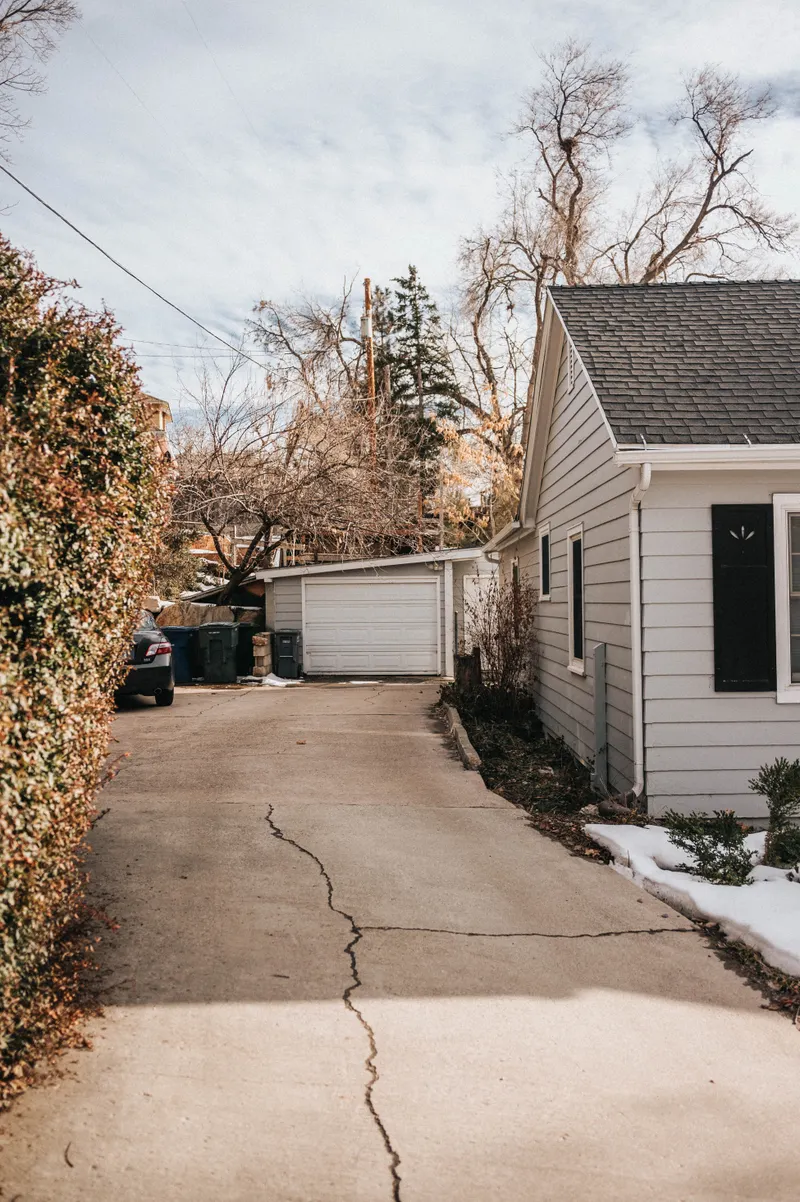
This is the flow-line work: we set positive slope across the site, cut the flow line so water has one intended exit instead of three accidental ones, and design the cross-slope so a driveway or lot sheds side-to-side as well as end-to-end. On sites toward Benbrook Lake and the Trinity floodplain we're also grading to daylight — carrying water to a point where it can leave the property on the surface rather than pooling against a foundation or fence line. Where a lot's drainage capacity is genuinely limited, we'll grade for a permeable base as an alternative, since a properly built porous section can infiltrate up to roughly 80% of the runoff that lands on it.
A site that's never been graded this way is the single most common reason a South Fort Worth driveway or lot fails early.
Excavation & Removal
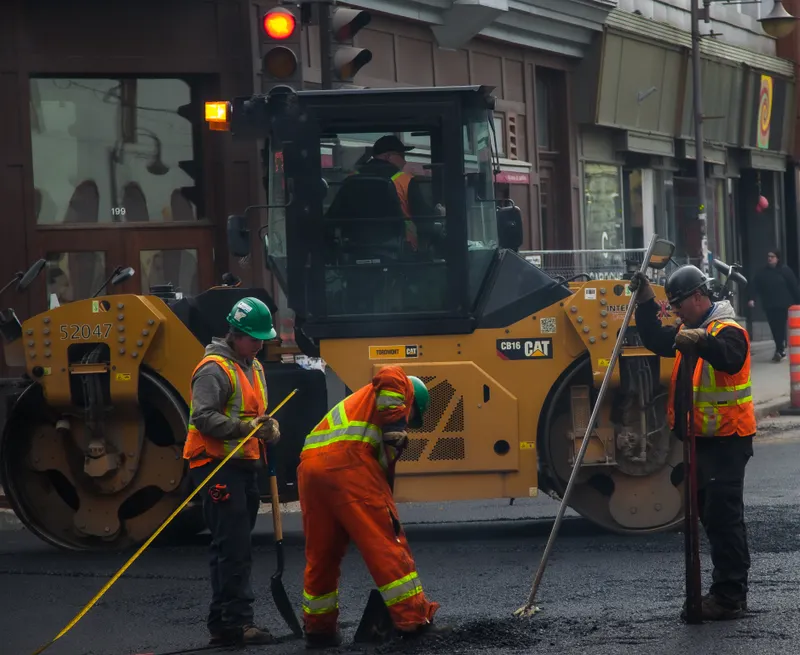
Before grading can happen, the wrong material often has to come out — old concrete, tree roots, saturated fill dirt, or a failed subgrade that's been holding water for years near a low corner of the lot. We excavate to the depth the new structure needs, haul the spoil off site, and confirm what's left underneath is something an aggregate base course can actually be built on rather than more of the same reactive clay.
Cut-and-fill volume is what drives both timeline and price here, which is why we quote excavation after seeing the site, not off a phone description of it.
Subgrade Stabilization
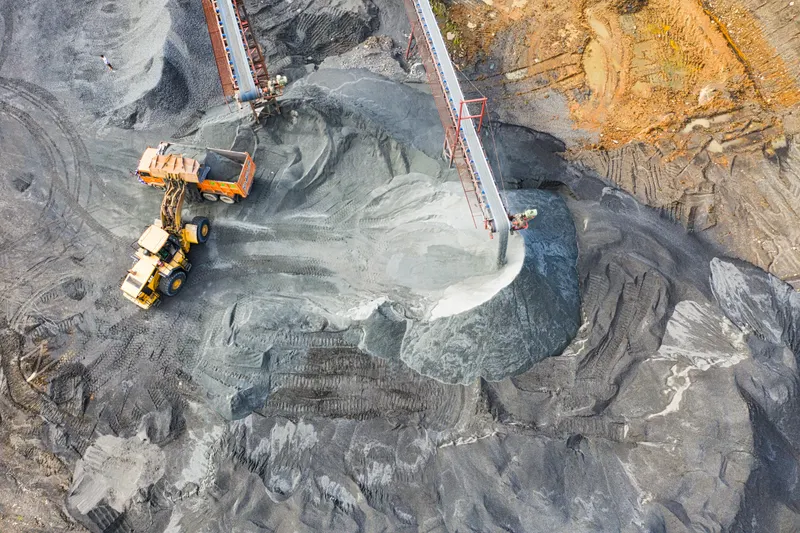
A graded, excavated site still needs a subgrade that won't move under it. We compact the native soil, place and compact an aggregate base course in lifts, and check density against a Proctor target under ASTM D698 or D1557 rather than trusting the roller's weight alone. On expansive clay that swells and shrinks seasonally, that compaction is what keeps the surface above it from heaving instead of telegraphing every wet-dry cycle straight up through the pavement.
Stabilization is the step most often skipped on cut-rate jobs — and the one that shows up as cracking within a year, right when the warranty runs out.
The Benefits
Why Grading Comes Before Paving in South Fort Worth
Paving over a site that hasn't been graded and stabilized doesn't fix the water or soil problem underneath — it just buries it under new asphalt for a season or two.
Water Leaves Before the Pavement Goes Down
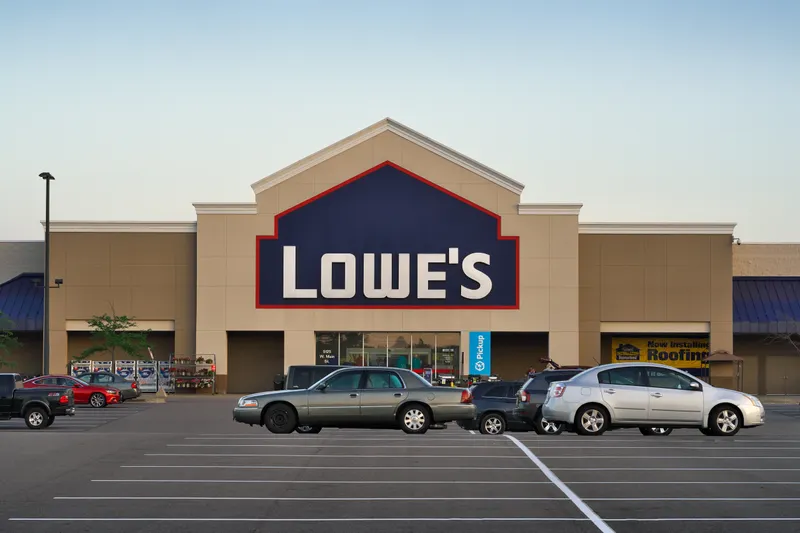
Once the flow line is cut and the cross-slope is set, rain has a designed path off the site instead of a low corner to collect in. That matters more here than almost anywhere else in Tarrant County, because the ground already tilts toward the Clear Fork Trinity and Sycamore Creek — grading is what decides whether that natural drainage works for your site or against it, well before the first ton of asphalt is ever ordered.
Pavement Built on Stabilized Ground Lasts Longer
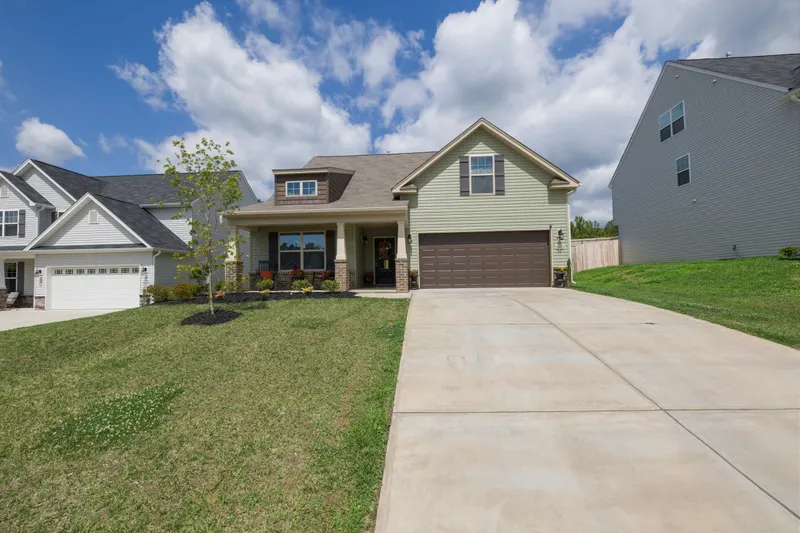
Asphalt laid over a soft, uncompacted subgrade rots from the base up — rutting, alligator cracking, and potholes all trace back to movement underneath, not the mix on top. A subgrade compacted in density-checked lifts against a Proctor target gives the pavement a foundation that doesn't shift under seasonal wet-dry swings in the clay, which is the difference between a driveway that lasts fifteen years and one back on the repair list by spring.
One Bundled Scope Protects the Whole Investment
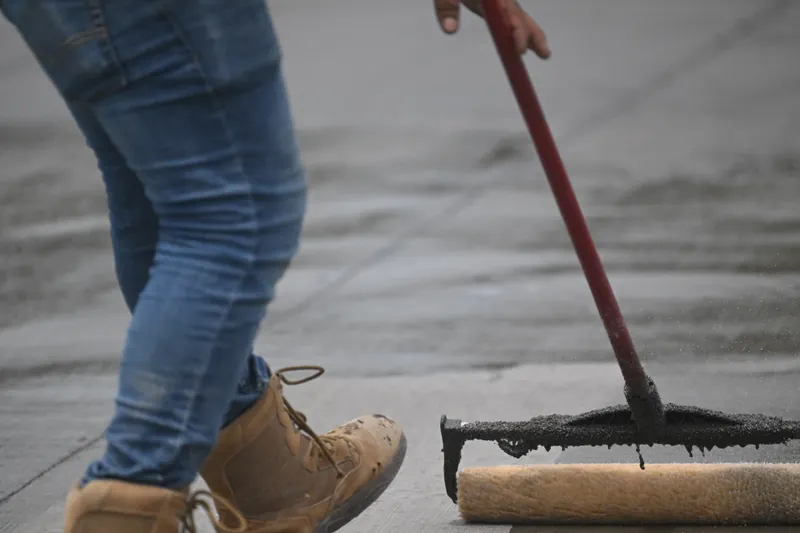
Grading and excavation bundled into a driveway or lot build is priced as part of one job, not tacked on as a surprise change order once a crew hits bad ground. That written scope covers the cut-and-fill volume up front, so the drainage and stabilization work that protects your paving investment is accounted for before the asphalt is ever ordered — no mid-job invoice for dirt work nobody budgeted.
Why Us
Why South Fort Worth Property Owners Choose Us for Sitework
Fifteen years of grading the low, water-collecting side of Tarrant County means we've already seen where a site fights back.
Fifteen Years Reading This Ground
We've graded sites across Forest Hill, Benbrook, Crowley, and Everman long enough to know which lots pond in the first hard rain and which subgrades hide old fill dirt under a thin crust. That experience shortens the site walk and sharpens the quote, because we're not guessing at what's under the surface — we've usually seen the same soil a few streets over.
We Know the Local Permitting Path
Forest Hill routes driveway and paving work through its own Permits & Applications department, and Benbrook issues theirs through Building Inspections — two separate city desks with two separate processes, and Crowley and Everman each run their own besides. We identify which one applies to your address during the site evaluation, before grading starts, not after.
One Written Quote, Cut-and-Fill Included
The itemized quote breaks out excavation, grading, and stabilization as their own line items, priced from volume and site condition rather than a flat guess. You see exactly what dirt work costs before the crew shows up with equipment, and exactly how it's split from the paving scope that follows it.
Grading and excavation is the phase that decides whether the next project on this site — new asphalt paving, a driveway, or a commercial parking lot — actually lasts. If a surface is already down and failing, that's asphalt repair territory, not a regrade. We scope and price grading and excavation across Forest Hill, Benbrook, Crowley, and Everman as its own written quote — see our services for the full menu, or call the South Fort Worth paving crew behind every job here.
Frequently Asked Questions
What does grading and excavation actually include?
Grading and excavation covers everything that happens to a site before pavement goes down: removing old material or bad fill, cutting and filling dirt to reach a buildable elevation, setting positive slope and the flow line so water leaves the site on purpose, and compacting the subgrade so it can carry an aggregate base. We scope each piece separately during the site walk, since a small driveway job might need only light grading while a lot rebuild needs full excavation and subgrade stabilization. Each piece gets its own line on the written quote, so you know exactly which part of the sitework you're paying for.
How much does grading and excavation cost in South Fort Worth?
There's no flat per-square-foot number for grading the way there is for laying asphalt, because the cost is driven by cut-and-fill volume — how much dirt has to move, how deep the excavation runs, and whether bad material has to be hauled off site. A small regrade bundled into a driveway build costs far less than excavating and stabilizing a lot with failed fill underneath, and access for equipment factors in too. We quote it in writing after walking the site, itemized separately from the paving that follows, so the dirt work never gets buried inside a single lump-sum number.
How long does a grading and excavation job take?
Most grading and excavation phases run 1 to 3 days, depending on cut-and-fill volume and access for equipment. Where the scope is just base and subgrade preparation on a site that's already close to grade, it typically runs 0.5 to 2 days on its own. Larger commercial excavations near the I-35W South Freeway corridor, where more material has to come out and be hauled away, land toward the longer end of that range.
What is a flow line, and why do you cut one before grading?
The flow line is the actual path water follows once it leaves a roof, a driveway, or a lot — the low route it will always take, whether you've designed for it or not. Cutting the flow line means shaping the ground so that path leads somewhere useful, usually to a street, a swale, or a storm inlet, instead of to a foundation or a neighbor's yard. On South Fort Worth's flat, low-lying ground near Benbrook Lake and the Trinity floodplain, an undefined flow line is the single most common reason a site ponds after every rain.
What does 'grading to daylight' mean?
Grading to daylight means shaping a slope so water reaches a point where it can exit the property on the surface — daylight — rather than being trapped against a retaining structure or pooling in a low spot with nowhere to go. It's most relevant on sites with any elevation change, where a poorly graded slope traps runoff instead of releasing it. We design to daylight wherever the site allows it, since a surface exit is simpler and more reliable long-term than relying on underground drainage alone.
Do I need a permit for grading or excavation work?
It depends on the city and the scope. Forest Hill routes driveway and paving-related work through its Permits & Applications department, while Benbrook issues permits through its Building Inspections division — two different cities, two different desks, and different thresholds for what triggers a permit versus what doesn't. Larger commercial excavation and drainage work is more likely to require review than a small residential regrade. We identify the correct permitting path for your address during the site evaluation, before any equipment mobilizes.
Can grading and excavation be done as its own project, without paving?
Yes. We regularly grade and stabilize a site — correcting drainage, fixing a low spot, removing bad fill — without any paving attached, especially on properties where a homeowner or property manager is fixing a standing-water problem before deciding what surface goes on top. It's also common the other direction: bundled into a driveway or lot build so the drainage and paving scope are quoted and scheduled together. Either way, the grading work is priced and itemized on its own line.
Why does subgrade stabilization matter so much on this side of Fort Worth?
South Fort Worth sits on expansive clay that swells when wet and shrinks hard through the dry season, moving the ground several inches a year in some spots. An uncompacted or poorly stabilized subgrade moves with that clay, and whatever pavement sits on top of it cracks and heaves along with it. We compact the subgrade and aggregate base in lifts, checking density against a Proctor target under ASTM D698 or D1557, so the ground underneath stays put even as the clay around it keeps cycling.
What happens if a site skips grading before paving goes down?
Paving over an ungraded or unstable site doesn't remove the water or soil problem — it just buries it under fresh asphalt for a season or two. Water still finds its way to the same low spot, still softens the base from underneath, and the surface above it starts rutting, alligator cracking, or potholing well before a properly graded job would. On South Fort Worth's low, water-collecting ground, skipping grading is the most common reason we get called back to fix a driveway or lot that's barely a year old.
What's the difference between site grading and excavation?
Excavation is removing material — digging out old concrete, bad fill, saturated dirt, or anything that has to come off the site before work continues. Grading is shaping what's left, or what's brought in, into the correct elevations and slopes so water moves where it's supposed to and the subgrade sits at the right depth for the base course above it. Most jobs need both in sequence: excavate down to sound material first, then grade that surface to the drainage plan before compaction starts. A site with good existing soil might skip excavation almost entirely and go straight to grading; one with failed fill needs both, in that order.
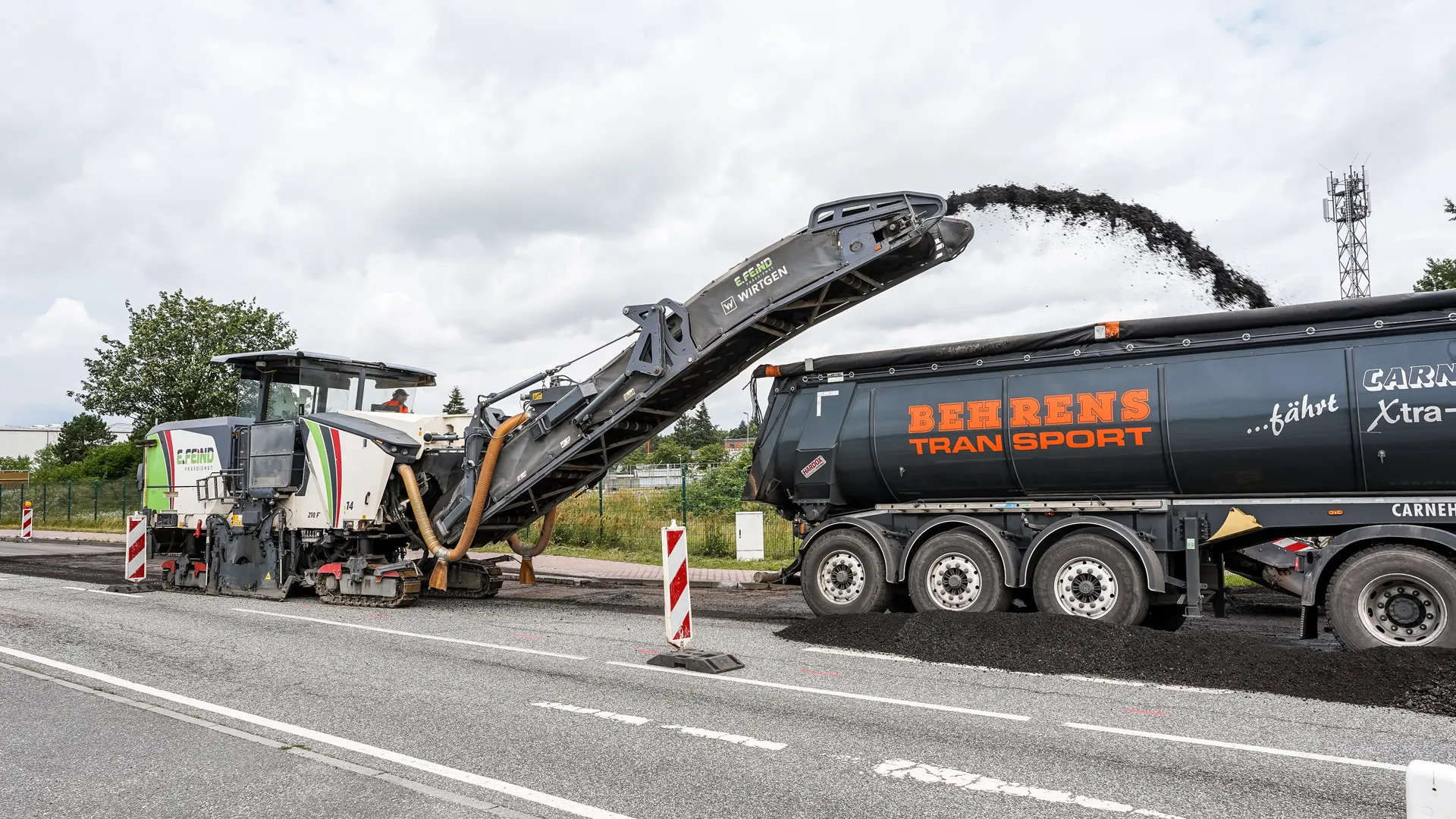
Get Your Site Graded Right, Before the Asphalt Goes Down
Site grading, excavation, drainage correction, subgrade stabilization. Asphalt & Paving South Fort Worth, 5000 South Fwy, Suite 102, Fort Worth, TX 76115. Call (817) 632-9447, 24 hours a day.
(817) 632-9447